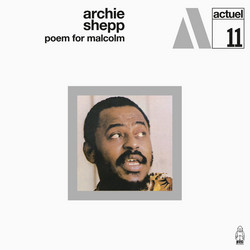
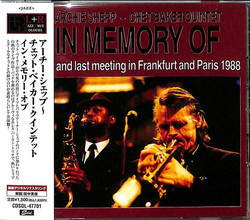
Archie Shepp
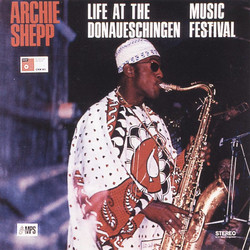
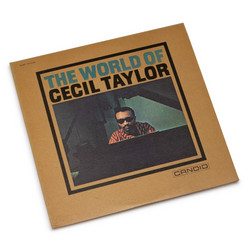
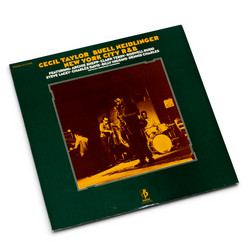
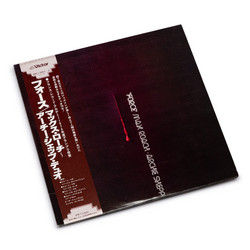
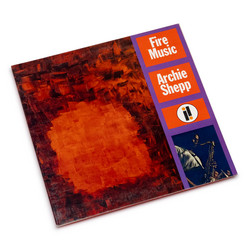
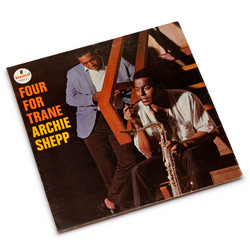
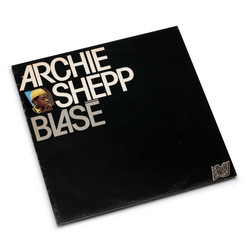
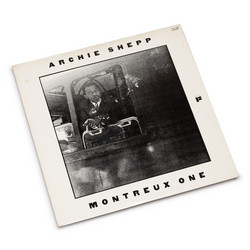
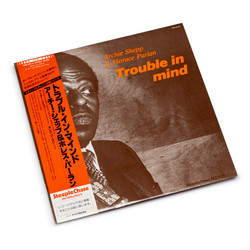
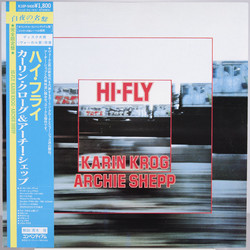
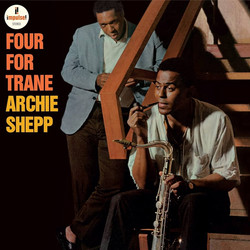
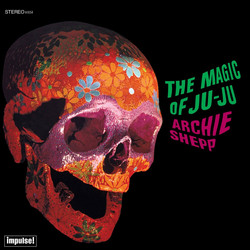
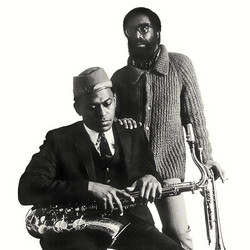
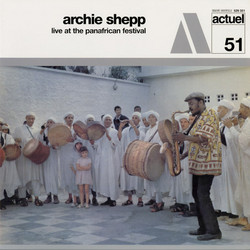
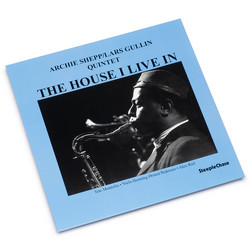
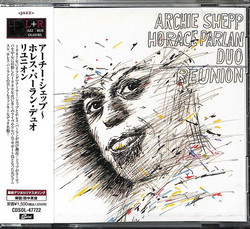
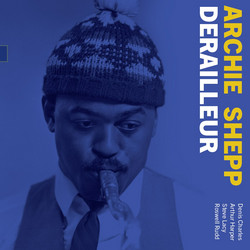
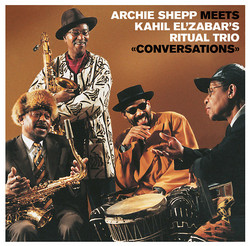
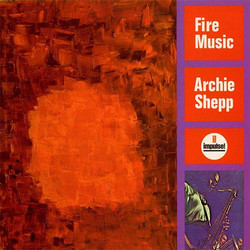
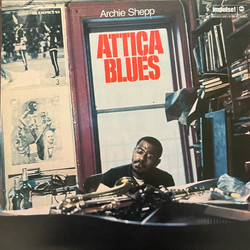
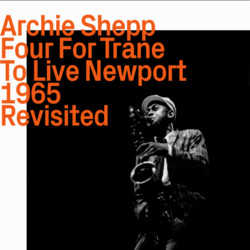
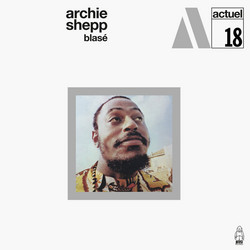
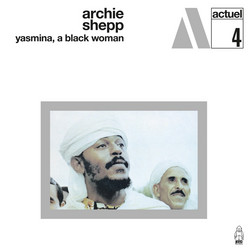
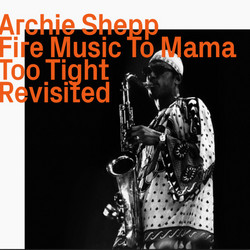
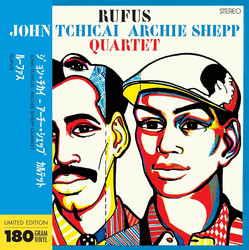
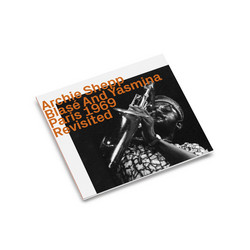
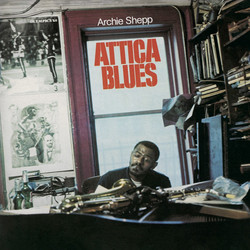
Archie Shepp, born in Fort Lauderdale in 1937 and raised in Philadelphia, made the tenor saxophone speak with a huge, vibrato-laden tone that carried both the blues and the anger of the 1960s. He played in Cecil Taylor's early groups and the New York Contemporary Five, then on Impulse! recorded Four for Trane (1964), Fire Music and Attica Blues (1972), records where free jazz, poetry and Black history are the same subject. A playwright and essayist as well, he taught at the University of Massachusetts for three decades and has never separated the music from its Afrocentric roots.
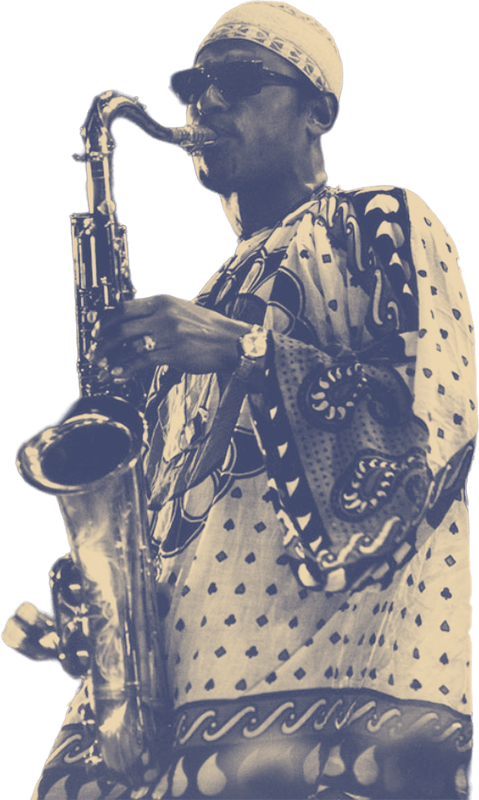
Archie Shepp, born in Fort Lauderdale in 1937 and raised in Philadelphia, made the tenor saxophone speak with a huge, vibrato-laden tone that carried both the blues and the anger of the 1960s. He played in Cecil Taylor's early groups and the New York Contemporary Five, then on Impulse! recorded Four for Trane (1964), Fire Music and Attica Blues (1972), records where free jazz, poetry and Black history are the same subject. A playwright and essayist as well, he taught at the University of Massachusetts for three decades and has never separated the music from its Afrocentric roots.