James Tenney
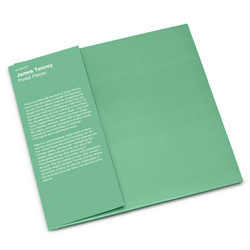
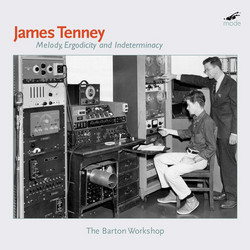
James Tenney (1934–2006) was born in Silver City, New Mexico, and grew up in Arizona and Colorado, where he received his early training as a pianist and composer. He studied with Carl Ruggles, John Cage, Harry Partch and Edgard Varèse, and later played in Cage and Partch's ensembles. His 1961 thesis Meta-Hodos was one of the first attempts to describe how music is actually heard. He was a pioneer of computer music, working with Max Mathews at Bell Telephone Laboratories in the early 1960s, and at the same time a member of Fluxus and co-founder of the ensemble Tone Roads.
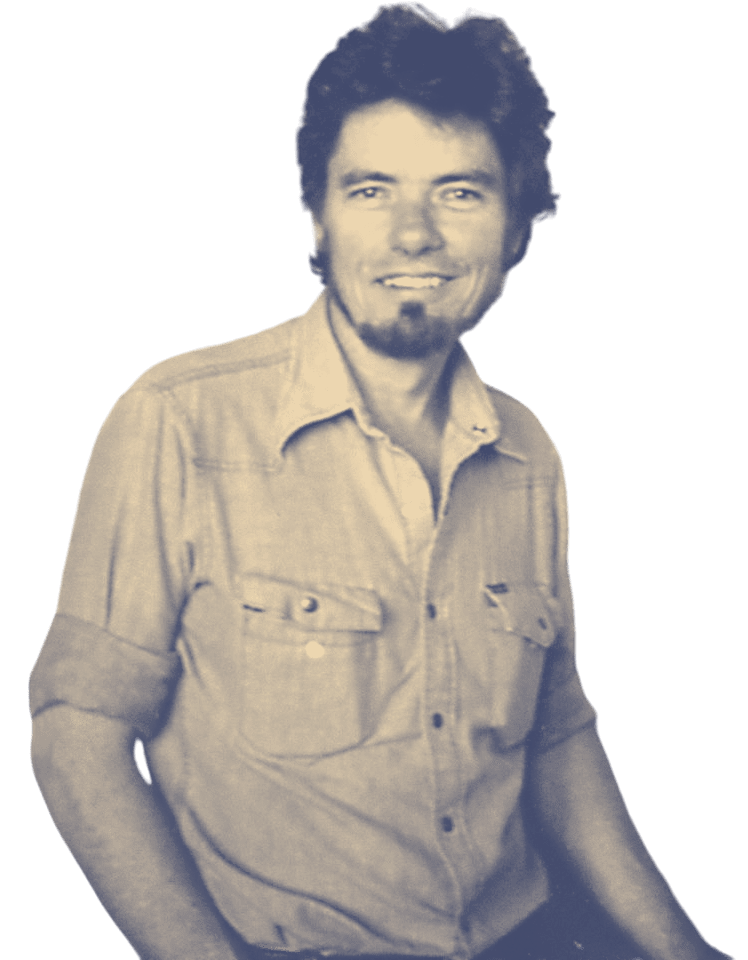
James Tenney (1934–2006) was born in Silver City, New Mexico, and grew up in Arizona and Colorado, where he received his early training as a pianist and composer. He studied with Carl Ruggles, John Cage, Harry Partch and Edgard Varèse, and later played in Cage and Partch's ensembles. His 1961 thesis Meta-Hodos was one of the first attempts to describe how music is actually heard. He was a pioneer of computer music, working with Max Mathews at Bell Telephone Laboratories in the early 1960s, and at the same time a member of Fluxus and co-founder of the ensemble Tone Roads.