We use cookies on our website to provide you with the best experience. Most of these are essential and already present.
We do require your explicit consent to save your cart and browsing history between visits. Read about cookies we use here.
Your cart and preferences will not be saved if you leave the site.

Marion Brown

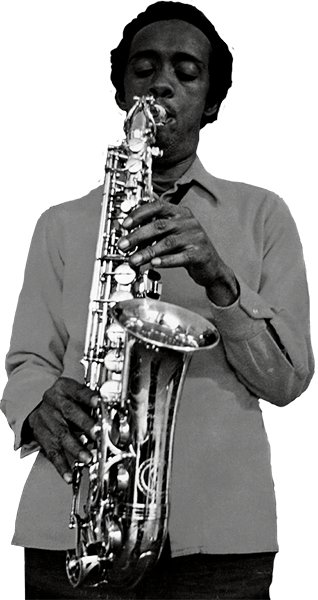
Enigmatic genius of the avant-garde jazz movement of the 1960s & '70s, balanced the cerebral with the spiritual. Marion Brown (1931 - 2010) was an American jazz alto saxophonist, composer, writer, visual artist, and ethnomusicologist. He is best known as a member of the 1960s avant-garde jazz scene in New York City, playing alongside musicians such as John Coltrane, Archie Shepp, and John Tchicai.
Enigmatic genius of the avant-garde jazz movement of the 1960s & '70s, balanced the cerebral with the spiritual. Marion Brown (1931 - 2010) was an American jazz alto saxophonist, composer, writer, visual artist, and ethnomusicologist. He is best known as a member of the 1960s avant-garde jazz scene in New York City, playing alongside musicians such as John Coltrane, Archie Shepp, and John Tchicai.
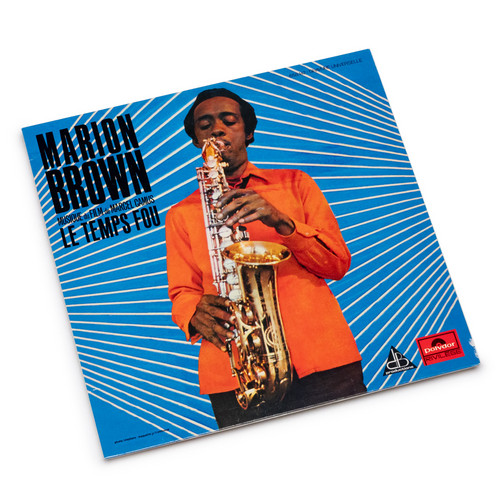
Le Temps Fou (LP)
2019 grey area repro of the 1969 album originally on Polydor with the soundtack to the Marcel Camus film, featuring Gunter Hampel and Barre Phillips.
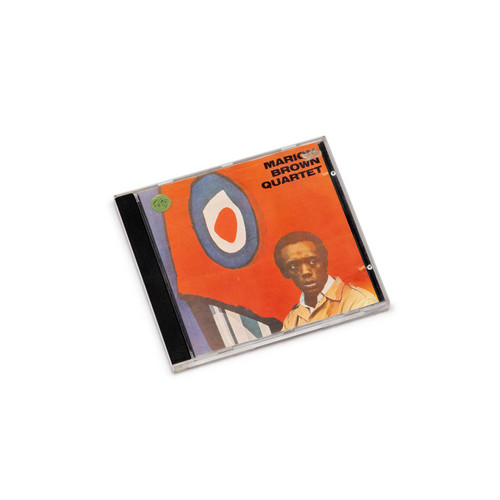
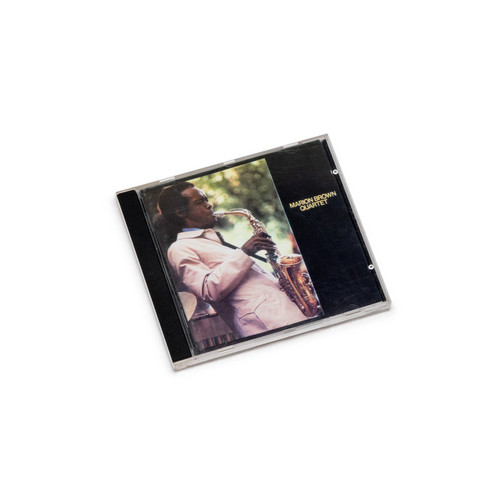
Marion Brown Quartet (CD)
Early 1990's first CD re-issue on ESP-Disk' / ZYX Music of the 19686 album featuring Rashied Ali.
Why Not? (CD)
1990 release (light wear) ** The second ESP-Disk' statement, 1966: Marion Brown with a killing band including Stanley Cowell at the piano, deepening everything the debut promised. The writing is stronger, the group interplay more spacious, and Brown's alto - that singing, speech-like sound, closer to a voice than almost any horn of the era - moves through the material with total assurance, balancing fire and lyricism phrase by phrase. The mid-sixties ESP sessions caught a whole generation at the…
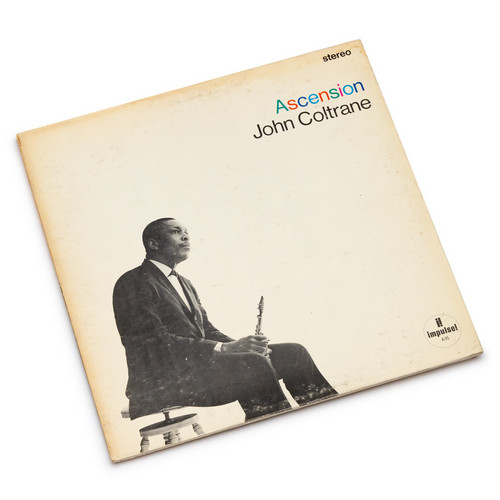
Ascension (LP)
1974 re-issue on Impluse! of the Edition I of the 1966 album featuring Archie Shepp, Pharoah Sanders, John Tchicai, Marion Brown, Jimmy Garrison, Elvin Jones and McCoy Tyner.
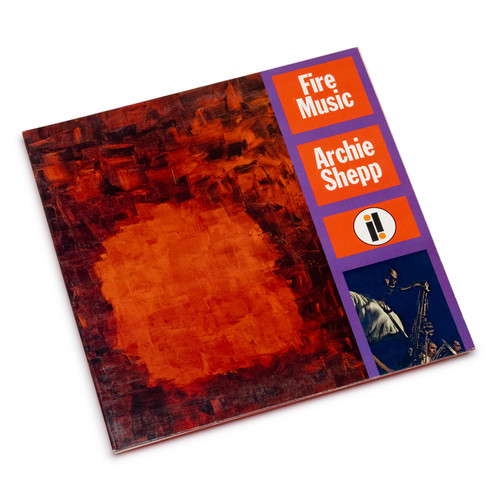
Fire Music (LP)
1995 US limited edition re-issue on Impulse!'s "The Impulse! Reissue Series" of the 1965 album featuring Marion Brown and Ted Curson. With original innersleeve.
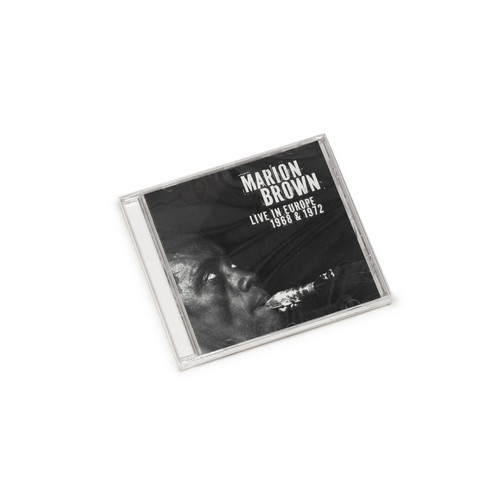
Live in Europe 1968 & 1972
On Live in Europe 1968 & 1972, Marion Brown leads a borderless quartet through two rare European concerts, pairing his singing alto with Gunter Hampel's vibes, Barre Phillips' bass and Steve McCall's drums in a sound that hovers between lyrical free jazz and chamber‑like intimacy.
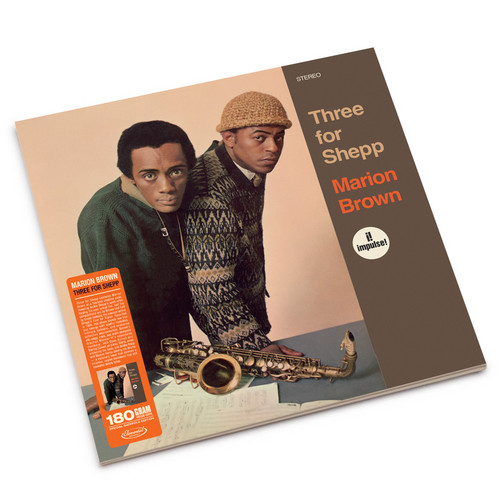
Three For Shepp
On Three for Shepp, Marion Brown leads a blazing American free‑jazz ensemble with Dave Burrell, Norris “Sirone” Jones and Grachan Moncur III, unleashing high‑energy fire music that shows the Impulse! era at full boil yet still somehow under‑sung.
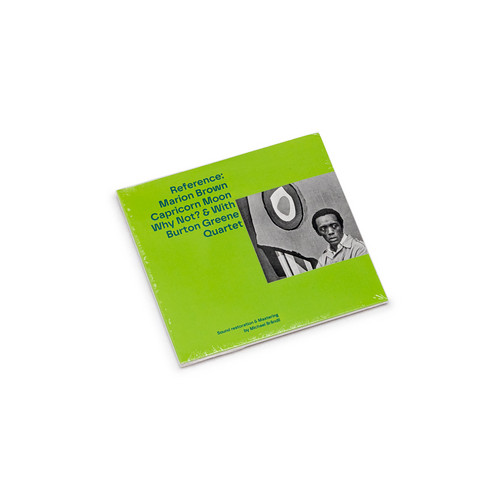
Reference: Marion Brown Capricorn Moon Why Not? & With Burton Greene Quartet
The rhythm team by Rashied Ali and Reggie Johnson (with former Sun Ra member Ronnie Boykins adding texture on "Capricorn Moon") establishes a solid foundation, complemented by Alan Shorter's sharp trumpet, while Benny Maupin's close expressions in monophonic form also support it. The fact that pianist Burt Green recorded an almost unnoticed ESP album (just a month later) with Brown as a sideman illustrates how fluid and negotiable musical activities were within this nascent community. Although R…
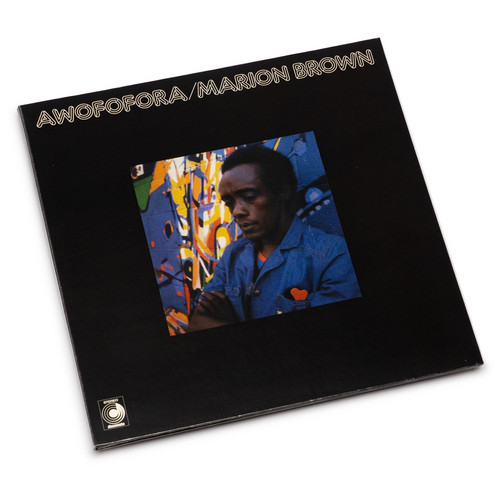
Awofofora
On Awofofora, Marion Brown folds funk, reggae and Afro‑Caribbean rhythm into his mature structural language, using grooves not as decoration but as architecture for golden‑toned alto lines and quietly radical collective improvisation.
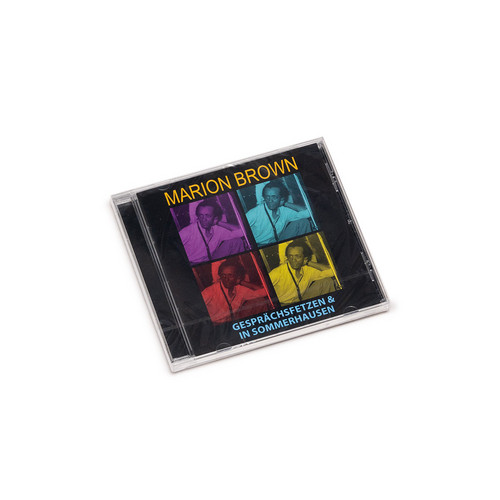
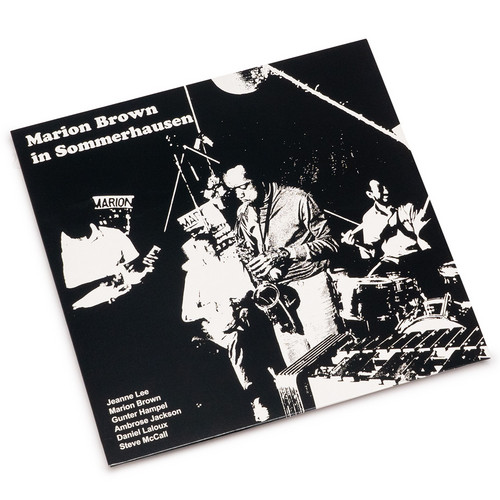
Gesprächsfetzen & In Sommerhausen
Alto saxophonist Marion Brown was an initially underrated hero of the jazz avant-garde. It was only after he moved from Atlanta to New York and joined John Coltrane that the public and the critics took notice of him.Dedicated to discovering the far-reaching possibilities of improvisational expression, Brown possessed a truly lyrical voice. In the early seventies, she played with Anthony Braxton, Andrew Cyrille, Bennie Maupin, Jeanne Lee, and Chick Corea, among others. On this recording he was ac…
Marion Brown In Sommerhausen
Alto saxophonist Marion Brown was an initially underrated hero of the jazz avant-garde. It was only after he moved from Atlanta to New York and joined John Coltrane that audiences and critics took notice. Dedicated to discovering the far-reaching possibilities of improvisational expression, Brown possessed a truly lyrical voice. In the early seventies, he played with Anthony Braxton, Andrew Cyrille, Bennie Maupin, Jeanne Lee, and Chick Corea, among others. On this recording he was accompanied by…
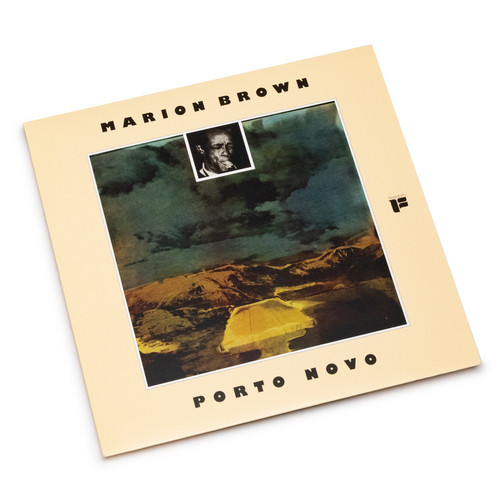
Porto Novo
2025 stock Altoist Marion Brown is perhaps best known for performances on albums by his contemporaries, such as Coltrane's Ascension, but Brown stands on his own as one of the most creative and important forces to come out of the 1960s avant-garde jazz movement. Porto Novo is widely regarded as one of Brown's best recordings, captured during a 1967 session in Holland at the peak of his creative powers, accompanied by bassist Maarten van Regteben Altena and drummer Han Bennink. Previously out of …
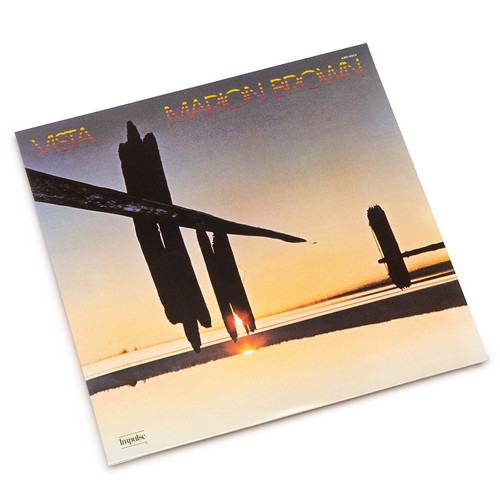
Vista
180g Vinyl LP! Pressed at Third Man in Detroit! Marion Brown ended his '70s stint at Impulse! Records with this serene and colorful album. It features musicians such as drummer Ed Blackwell and bassist Reggie Workman, plus Stanley Cowell on acoustic piano and Fender Rhodes. While Brown wrote the blissful coaster Vista, the five other compositions are well-chosen, starting with an inviting version of Cowell's "Maimoun" and an impressionistic and deeply meditative take on Stevie Wonder's "Visions"…
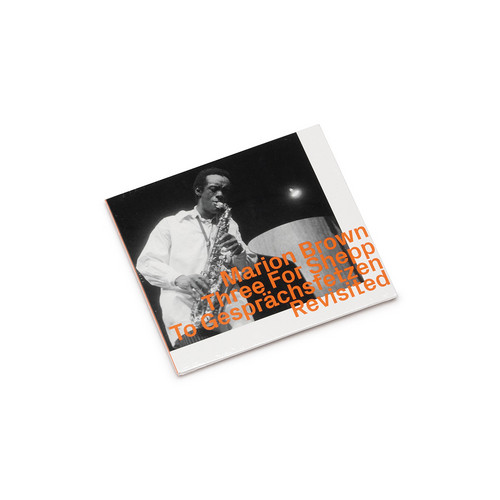
Three For Shepp to Gesprächsfetzen „Revisited“
"Marion Brown was already defying categorisation in 1966 when he recorded Three For Shepp, whose six tracks open Three For Shepp To Gespächsfetzen Revisited. Brown’s opening “New Blues” and Archie Shepp’s closing “Delicado,” though compelling,are relatively orthodox expressions of mid 1960s NewThing. The four tracks they bookend, however, are distinctive even today. Brown’s exquisite “Fortunato,” though it sounds like nothing Pharoah Sanders ever wrote, inhabits similarly pretty terrain as Sand…
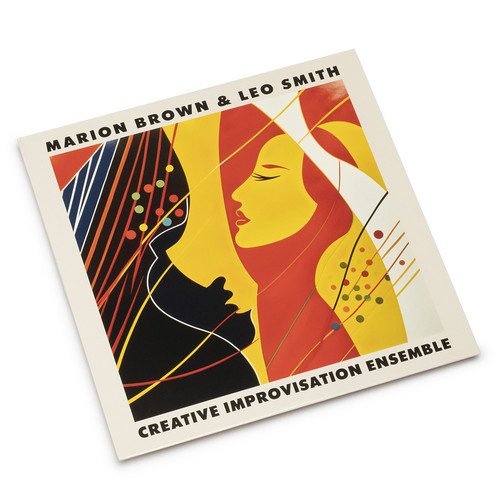
Creative Improvisation Ensemble
Creative Improvisation Ensemble captures the meeting of two avant-garde giants, Marion Brown and Wadada Leo Smith, on May 12, 1970 in Paris, France. The session finds Brown and Smith on their primary instruments, alto saxophone and trumpet respectively, with both musicians performing various percussion instruments as well. The release marks the latest edition of Org Music’s Freedom Records reissues series, mastered for vinyl by Dave Gardner and pressed at Pallas Group on transparent red audiophi…
Songs Of Love And Regret
Recorded on November 9 and 10, 1985, at Gimmick Studio, Yerres, France Digital mastering at Translab Studios, Paris
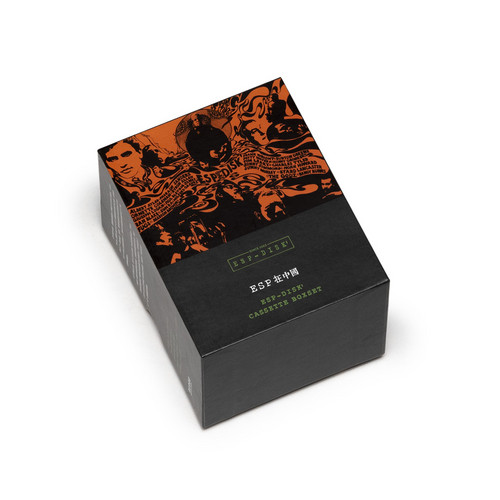
Esp-Disk
*In process of stocking. 2022 stock* In October 2018, Steve Holtje, the mastermind of the pioneering American music label ESP, was invited by the 8th OCT-LOFT International Jazz Festival to give a lecture in Shenzhen entitled "55 Years of Pioneering and Non-Mainstream Music: The Continuing Revolution of ESP-DISK", unveiling the label for the first time to Chinese The talk was entitled "55 Years of Pioneering and Non-Mainstream Music: The Continuing Revolution of ESP-DISK", and unveiled the myste…
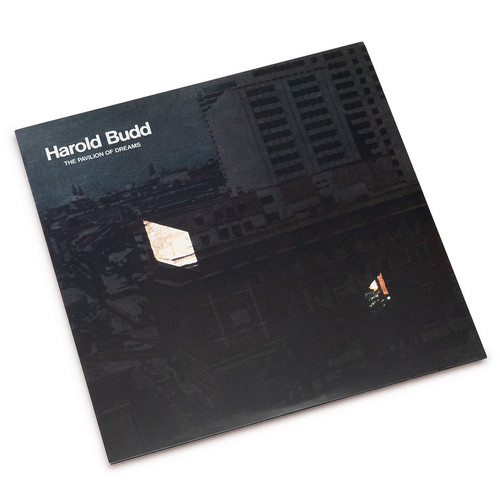
The Pavilion of Dreams
2025 repress. For five decades, Harold Budd stood on the forefront of the West Coast avant-garde. Born in Los Angeles, he studied with Schoenberg-pupil Gerald Strang and began teaching at CalArts in 1970. While searching for his own voice, he was influenced as much by abstract expressionist painters as by John Cage and Morton Feldman. In his work, Budd brought delicate, slowing-moving melodies to the foreground – creating a new musical language based on “eternally pretty music” and smooth surfac…
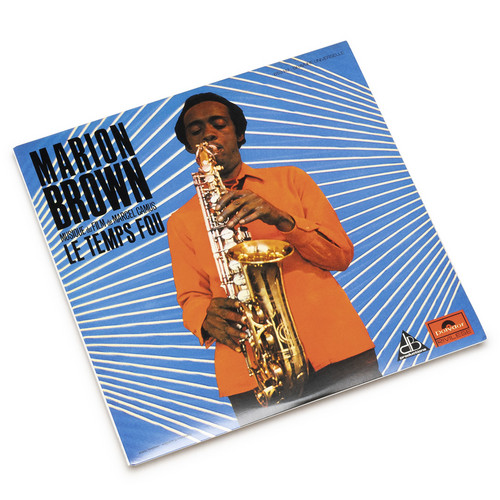
Le Temps Fou - Musique du Film de Marcel Camus
In September 1968, Marion Brown, who moved to Europe two years earlier, recorded the soundtrack of the movie by Marcel Camus entitled 'Le Temps Fou' in the legendary Parisian studio Davout. The movie starring Nino Ferrer was released in 1970 under the title 'Un Été Sauvage'. Soon fallen into oblivion, 'Le Temps Fou' was printed in very few copies by the French arm of Polydor and is almost impossible to find in its original pressing. Finally, more than fifty years later, Le Tres Jazz Club has bro…
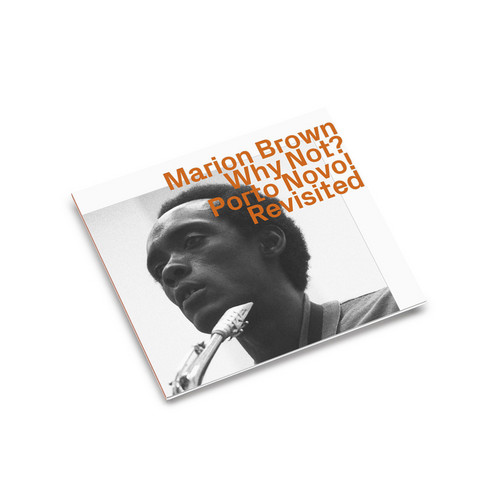
Why Not? Porto Novo!
Reissuing two essential albums from saxophonist Marion Brown--Why Not? (ESP, 1968) and Porto Novo (Polydor, 1969)--the first recorded in NY in a quartet with pianist Stanley Cowell, bassist Sirone and drummer Rashied Ali, the second recorded in The Netherlands in a trio with Han Bennink on drums and Maarten Van Regteren Altena on double bass; essential.
1 2