Jazz /
![恍惚のテナー・デラックス 第3集 [Ecstatic Tenor Deluxe Vol. 3] (2LP)](https://cdn.soundohm.com/data/products/2026-09/_RAW6974-jpg.jpg.500.jpg)
恍惚のテナー・デラックス 第3集 [Ecstatic Tenor Deluxe Vol. 3] (2LP)
1968 2LP Japanese compilation on Victor with versions of classic Japanese pop songs by tenor sax giants with their ensembles, with beautiful glamour cover.
![真夜中のラテン・ムード・デラックス [Midnight Latin Mood De Luxe] (2LP)](https://cdn.soundohm.com/data/products/2026-09/_RAW6959-jpg.jpg.500.jpg)
Hidehiko Matsumoto And Sleepy Latin Band, Youichi Suzuki And Latin Companion, Shoji Yokouchi & His Allstar Latin Combo
真夜中のラテン・ムード・デラックス [Midnight Latin Mood De Luxe] (2LP)1968 2LP Japanese compilation on Victor with lovely arrangements of classic songs and tunes with beautiful glamour cover.
![ジャンボヒット’71 [Jumbo Hits '71] (2LP)](https://cdn.soundohm.com/data/products/2026-09/_RAW6971-jpg.jpg.500.jpg)
ジャンボヒット’71 [Jumbo Hits '71] (2LP)
1968 2LP Japanese compilation on King with orchestral, instrumental and easy-listening covers of popular Japanese pop songs with beautiful glamour cover.
![全国歌謡大全集 [Complete Collection of Popular Japanese Songs] (3LP)](https://cdn.soundohm.com/data/products/2026-09/_RAW6968-jpg.jpg.500.jpg)
Yasunobu Matsuura and His Group, Yoshio Kimura & The Beards, Rainbow Orchestra, Teddy Ikegaya And Latin Rhythm, Shungo Sawada Quintet
全国歌謡大全集 [Complete Collection of Popular Japanese Songs] (3LP)1970 red vinyl 3LP Japanese compilation on Toshiba with orchestral, instrumental and easy-listening covers of popular Japanese pop songs with beautiful glamour cover and poster.

Latin Solo Mood (LP)
1963 Japanese compilation on Columbia with easy-listening covers of classic latin tunes with beautiful glamour cover.

Brenda Lee, Earl Grant, Sammy Kaye And His Orchestra, Henry Jerome And His Orchestra, Wayne King And His Orchestra, Gordon Jenkins And His Orchestra, Bob & Phil And The Orchestra, The Universal-International Orchestra, Guy Lombardo And His Orchestra
Mood In Golden Hit Numbers 6 (LP)1969 Japanese easy-listening compilation on Decca with beautiful glamour cover.

Franck Pourcel, Georges Jouvin, Manuel & His Music Of The Mountains, Claude Ciari, The Hollyridge Strings, Pepe Jaramillo, George Shearing, Ray Anthony, Jackie Gleason, Bud Shank
You And The Night And The Music (10LP box)Striking 1970 Japanese 10LP box set collecting all albums on World Record Club's "Odeon Series" of mood music with beautiful individual glamour covers.
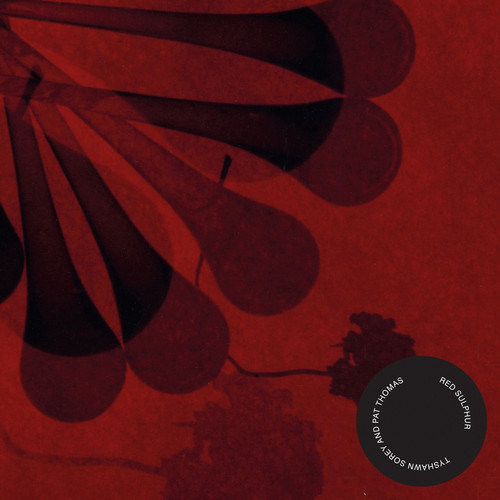
Red Sulphur
First meeting of two incredible talents - Tyshawn Sorey on drums and Pat Thomas on piano.
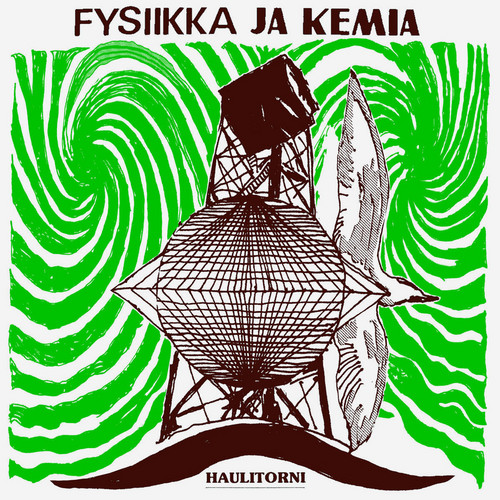
Haulitorni
Two side-long improvisations recorded in a spring evening beneath a 1908 shot tower. That is the whole record, and it is enough. Fysiikka ja Kemia - Physics and Chemistry - surfaced in late 2025 with Biologia, a debut LP on Tampere's Ultraääni Records that the label summed up in a single line: rural psych-jazz improvisations by the Finnish bastard sons of Arbete & Fritid. Three hundred copies, each sleeve screen-printed by hand by the band, gone quickly. We Jazz picked a track for their Friends …
Karl Lagerfeld Stirbt In Seinem Jogginganzug
*2026 stock* A sharp, theatrical and darkly playful new record about glamour, absurdity and the collapse of appearances. Katie Smokers Wedding Party unveil their striking new album, Karl Lagerfeld stirbt in seinem Jogginganzug—a provocative title for a record that turns fashion, fame and social performance into a vivid, unpredictable musical world. Blending wit with unease, elegance with chaos, the album explores the tension between public image and private reality. Its songs move through scenes…
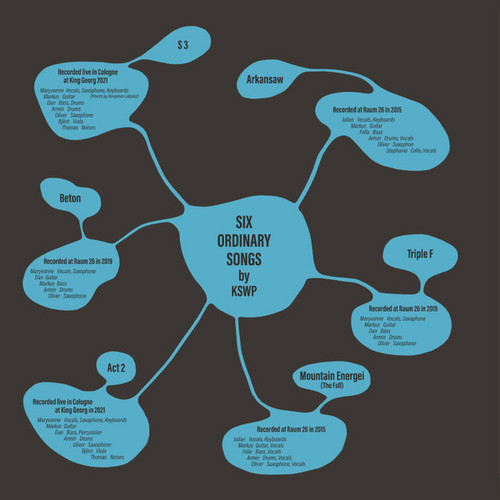
Six Ordinary Songs
*2026 stock* Katie Smokers Wedding Party presents Six Ordinary Songs, a new album that turns the familiar into something unexpectedly vivid. Across six carefully shaped tracks, the record explores the emotional weight hidden inside ordinary moments—small encounters, private thoughts, passing memories, and the quiet spaces between one day and the next.
There is nothing ordinary about the way these songs linger. Six Ordinary Songs is intimate without being fragile, direct without being predictable…
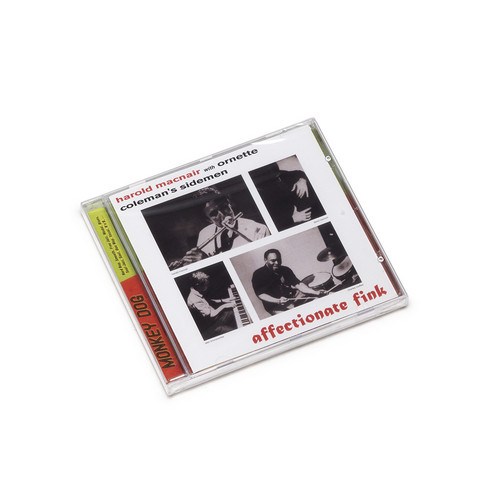
Affectionate Fink
2017 release ** Monkey Dog present a reissue of Affectionate Fink from Harold McNair With Ornette Coleman's Sidemen, originally released in 1965. An incredible record from reedman Harold McNair - one of the key Jamaican jazz players who hit the London scene in the same post-colonial wave as Joe Harriott and Shake Keane - and a standout of the bunch. Harold's a hell of a talent on both tenor and flute. Although he might be best known for his background work on late '60s Donovan albums, he really …
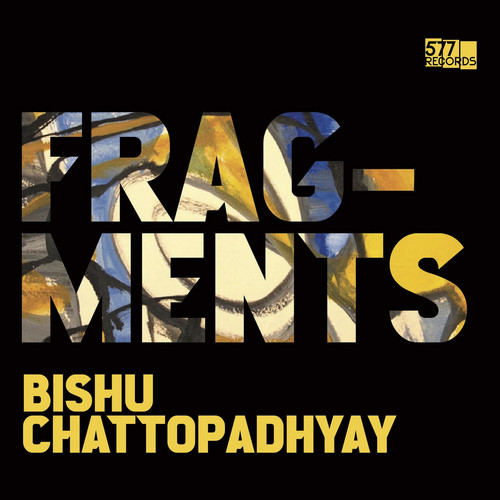
Fragments
*100 copies limited edition* Bishu Chattopadhyay’s Fragments is a collection of nine compositions shaped by movement, memory, improvisation, and the passage between worlds. Born and raised in Kolkata and now living in New York, Chattopadhyay has spent much of his life moving between musical and cultural landscapes. The album reflects that experience without attempting to resolve it: fragments of a life, fragments of a time, fragments of a world in which beauty and uncertainty exist side by side.…
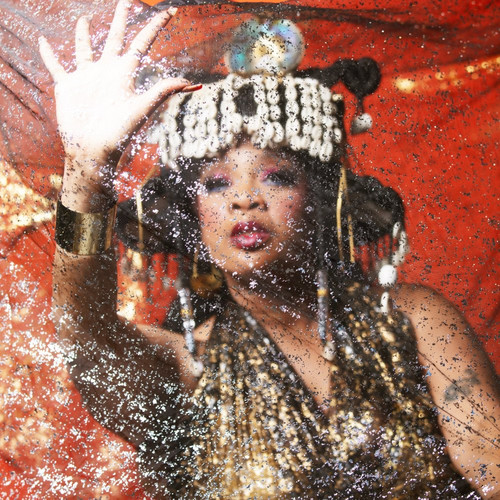
Mettasun
Vocalist, producer and musical visionary Jimetta Rose announces the release of solo album MettaSun, via our dub label Day Dreamer. Inspired by the interplanetary mythologies of Sun Ra, MettaSun reimagines a selection of the cosmic jazz pioneer’s most iconic recordings through Jimetta’s unique lens – a powerful expression of the female imaginary and a positive vision of radical hope and Black joy amid the chaos of contemporary America. MettaSun is Jimetta Rose’s solo opus. Embracing the Sun Ra’s …

Spiritual Jazz 19 - West Coast USA Part 1: 50s & 60s
Two x 2LP sets that examine the influence and expression of the underground jazz that evolved in California and surrounding states during the latter part of the 20th century.
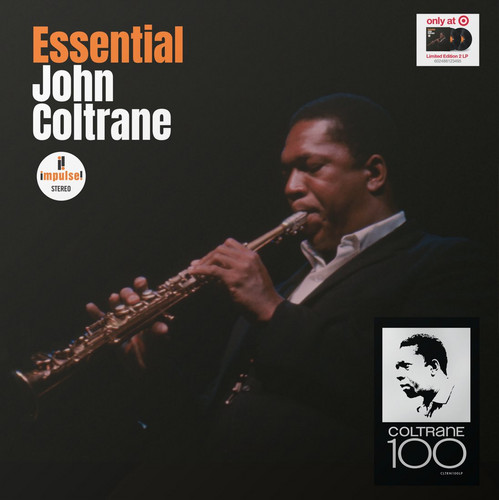
Essential John Coltrane
John Coltrane’s legacy defies boundaries—not only musical ones. From his early beginnings in Philadelphia to his final, urgent explorations of the unknown, Coltrane continually expanded the language of modern music, transforming the possibilities of the jazz saxophone and redefining the relationship between performer, composition, and spiritual expression. His playing was never merely virtuosic: it was a deeply personal force, capable of moving from the most delicate melodic statements to torren…
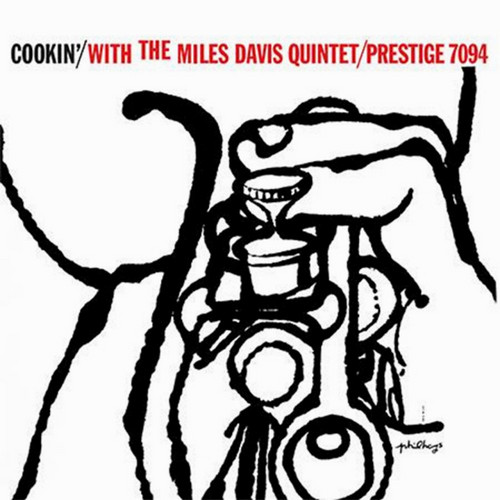
Cookin' with the Miles Davis Quintet
“Few bands in the history of jazz have reached the heights achieved by this group... The entire LP is fantastic. I cannot imagine being without it.” – Ralph J. Gleeson. These words perfectly capture the enduring power of Cookin’ with the Miles Davis Quintet, a landmark recording by one of the greatest ensembles ever to shape the history of jazz. In the mid-1950s, the quintet brought together Miles Davis on trumpet, John Coltrane on tenor saxophone, Red Garland on piano, Paul Chambers on double b…
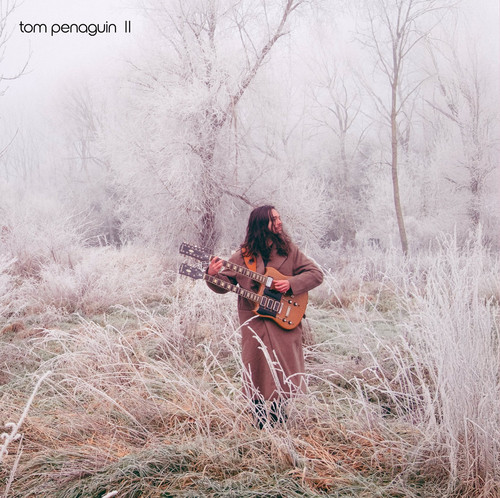
Tom Penaguin II
Tom Penaguin returns with Tom Penaguin II, a compelling new album that expands on the sound, spirit, and identity established in his previous work. Confident yet exploratory, the record captures an artist moving forward without losing sight of what makes his music distinctive.
Across the album, Tom Penaguin blends atmosphere, melody, and emotional depth into a collection of tracks that feels both intimate and expansive. Tom Penaguin II is a record shaped by contrasts: reflective moments meet bur…

Live at Kafé Hærverk
Trost Records is pleased to release Live at Kafé Hærverk, the latest transmission from one of the most exciƟng figures in European jazz, the Oslo-based Danish saxophonist and composer Amalie Dahl. Since dropping the debut album with her stellar quintet Dafnie in 2022, Dahl has enjoyed a meteoric rise, both in terms of acclaim and ambition. This new live album, taped at one of Oslo’s most beloved venues in March of 2025, arrives on the heels of the duly lauded Dafnie Extended—Live at Molde Jazz, …