Billy Harper
Black Saint (LP)
Label: Black Saint
Format: LP
Genre: Jazz
In process of stocking: On backorder: usually ships within a few days.
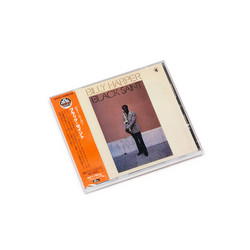
The Italian jazz label Black Saint was launched with Harper's 1975 album, Black Saint, making this not just a remarkable recording but a foundational document in European jazz history. Recorded July 21-22, 1975 at Barclay Studios, Paris, this album announced the arrival of one of the most powerful voices in post-Coltrane jazz. Billy Harper had already proven himself in the crucible of jazz's most demanding ensembles. He served with Art Blakey's Messengers for two years (1968-1970); played with the Thad Jones/Mel Lewis Orchestra in the 1970s, and was a member of Max Roach's quartet from 1971-1978. He had contributed two of the most-performed tunes to Gil Evans' repertoire: "Priestess" and "Thoroughbred." Most poignantly, he was standing alongside Lee Morgan on the night of the trumpeter's tragic death at Slug's Saloon in 1972, a moment captured in the acclaimed documentary "I Called Him Morgan."
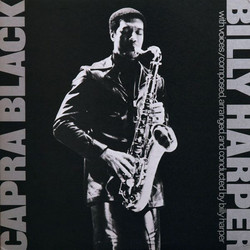
But it was his 1973 Strata-East debut Capra Black that "remains one of the seminal recordings of jazz's black consciousness movement - a profoundly spiritual effort that channels both the intellectual complexity of the avant garde as well as the emotional potency of gospel". Black Saint built upon that foundation with even greater focus and intensity.
Backed by trumpeter Virgil Jones, pianist Joe Bonner, bassist David Friesen, and drummer Malcolm Pinson, Harper creates music that represents "the very best of spiritual/modal jazz records of the movement". The opening "Dance, Eternal Spirits, Dance!" fuses an engagingly melodic theme with lightning-fast flurries atop a peppery jazz waltz groove. "Croquet Ballet," extending over half a side, sees Harper alternating lower-register voicings with high-pitched, plaintive cries that recall both John Coltrane's spiritual searching and the Texas blues of Harper's origins.
Pianist Joe Bonner "sounds like a wonderful cross between Herbie Hancock and McCoy Tyner," with "block chords down, but apt to suddenly sprint up interesting layers of notes that suggest greater movement". The rhythm section, anchored by Friesen's joyful bass playing and Pinson's propulsive drumming, creates what feels like heavenly territory. Harper himself adds cowbell to the percussive mix, intensifying the ritualistic atmosphere.
The Allmusic review awarded the album 4½ stars calling it "one of the finest modern jazz releases of the '70s... Vigorously recommended". The Penguin Guide to Jazz Recordings says it is "the album people associate with Harper, a strong, eclectic blend of blues, hard-edged rock patterns and the by now familiar preaching style".
This is spiritual jazz at its most potent: music that channels the Black church of Harper's Houston childhood, the avant-garde explorations of his New York present, and a universal cry for transcendence. That it launched one of the most important jazz labels of the next quarter-century only adds to its historical significance. Black Saint remains not just Harper's calling card, but a testament to the enduring power of jazz as a force for spiritual transformation.