Asmus Tietchens
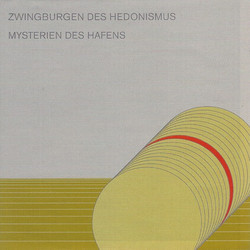
Zwingburgen Des Hedonismus (LP)
LabelMultimood RecordsGenreExperimental
Out of stock
Tracked express shipping from Italy, no customs or import VAT in the EU. Shipping costs
condition (records/cover): NM / VG+ (creased corner, light ring and edges wear)
Red vinyl.
Tietchens himself calls it one of two cases in his extensive career when he took the trouble of creating “conventional music”. By which he certainly understands something alltogether different than the average listener, if one doubts (with a reasonable amount of justification) that a matrix-organised set of variations on the B-A-C-H theme played exclusively by the now legendary (and long out of production) Fairlight CMI synthesizer qualifies for inclusion on a “conventional” summer mix tape. What the Hamburg-born and –based artists means, of course, is the tonal character of the work and the fact that it allows for easy notation and even performance by “classical” musicians. Already the instrumentation suggests this alternative setting, with the trademark choir-sound as well as basson-, spinet-, piano and organ-like samples imitating the acoustics of a “natural” ensemble. The notes of the theme are played in inversions and variations, with the instruments appearing in evolving clusters and combinations, resulting in moments of starkly varying density. Because the basic matrix for the composition (which in its original state was actually not called “Zwingburgen des Hedonismus”, but “Faircomp 1C”) allowed for multiple (or rather infinite) arrangements, durations and interpretations, there is no definite or definitive version of it – and the addition of the much more reduced track “Faircomp 1K” indicates that the results can vary both in their effect and their appeal. Tietchens is actually the first one to admit that this version has clear touch of manierism to it, its wind-oriented instrumentation, interplay between solo and group playing as well as the minimal thematic source material still interestingly approximating some of Philip Glass’ early writings. It is the title piece, however, which brings the motive cycles to full fruition, locking the listener into a stuttering groove. To his fans, friends and foes alike, though, this exercise must have been a shock – Tietchens calls the release as a one-sided LP on Swedish Multimood Records an act of courage.
Release notes
Augenommen in den Audiplex Studios - Hamburg. Released in red vinyl. Made in Sweden.
| A | Zwingburgen Des Hedonismus | 20:41 |
- Irma
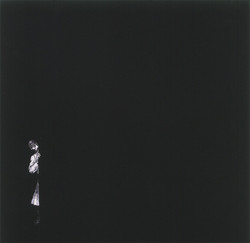
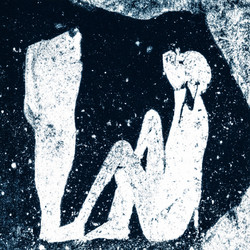
- Artwork [Kohlezeichnung]
- Asmus Tietchens
- Music By
- Okko Bekker
- Producer [Produktion]