Reissues
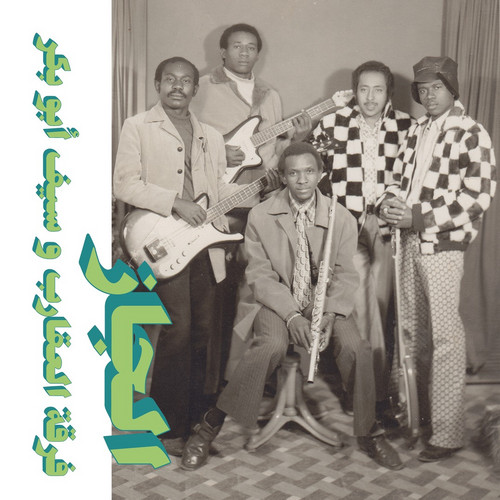
Jazz, Jazz, Jazz
Full reissue of the rare album by Khartoum band The Scorpions with singer Saif Abu Bakr, recorded in the 1970s: Sudanese jazz with strong horn arrangements and funky drums, crime-film style instrumentals, traditional rhythms and a soukous excursion.
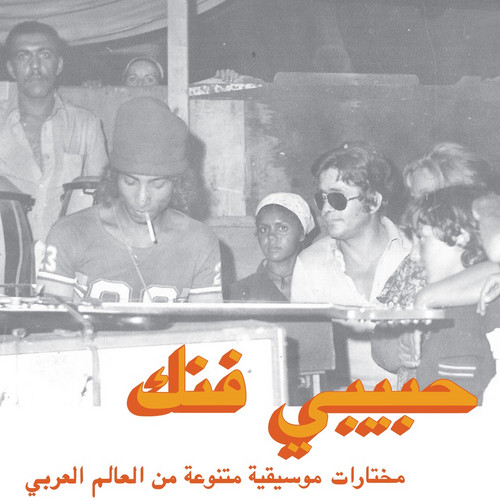
Habibi Funk: An Eclectic Selection Of Music From The Arab World
Label compilation of 16 tracks by 15 artists from across the Arab world, 1970s and 1980s: funk, soul and pop alongside Arabic zouk, Algerian coladera and Lebanese AOR, from Fadoul, Ahmed Malek, Dalton, Al Massrieen, Kamal Keila and others.
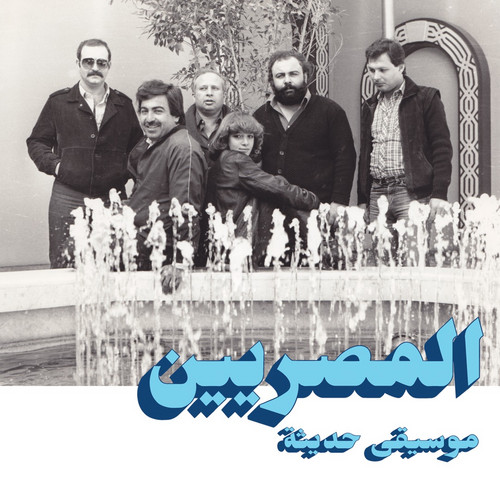
Modern Music
Reissue of Modern Music, the fifth and last album by the Egyptian group Al Massrieen, led by composer Hany Shenouda and first released in 1984: Arabic-language funk, disco and pop with electronic instruments, originally pressed in Lebanon.
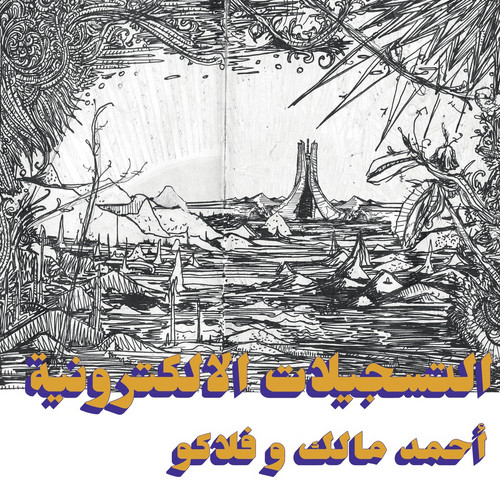
The Electronic Tapes
Electronic experiments recorded by the Algerian composer Ahmed Malek in the early 1980s, never released in his lifetime and compiled from two hours of master tapes by the Berlin producer Flako, with the approval of Malek's family.
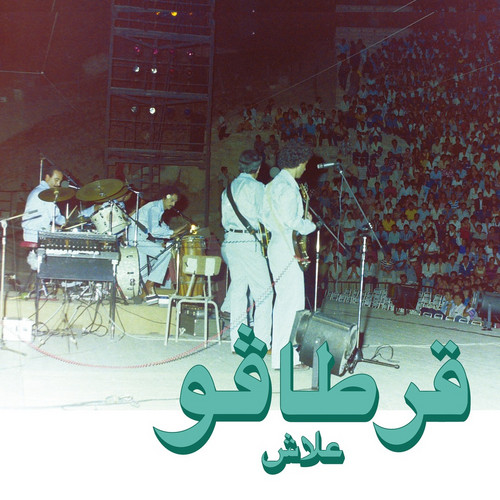
Alech
Two tracks from the only album by Tunis band Carthago, recorded in Paris at the end of the 1970s: Tunisian disco and funk, including a disco version of the Dalton song Alech, plus the previously unreleased instrumental versions from the master tape.
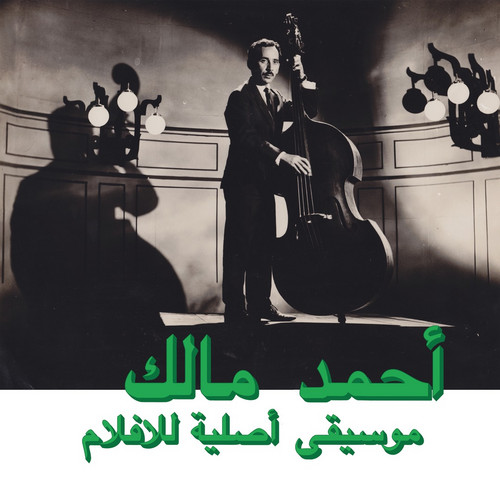
Musique Originale De Films
Film and television music by Algerian composer Ahmed Malek (1932-2008), longtime conductor of the Algerian Television Orchestra: melancholic orchestral themes from his original soundtrack LP, plus unreleased tracks from his family archive.
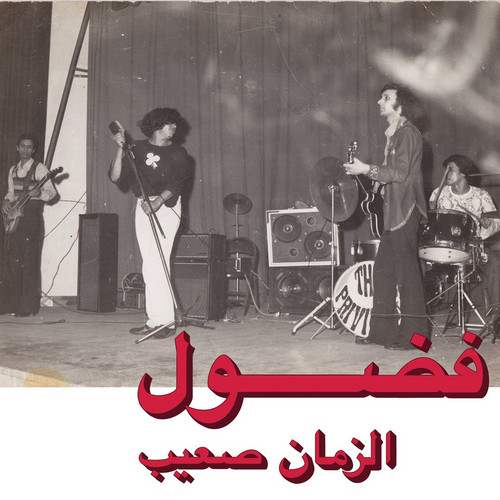
Al Zman Saib
Recordings by Casablanca singer Fadoul, released on Moroccan 7-inch singles in the 1970s: raw Arabic funk with a three-piece band and a punk edge, including an Arabic take on James Brown's Papa's Got a Brand New Bag. Licensed from his family.
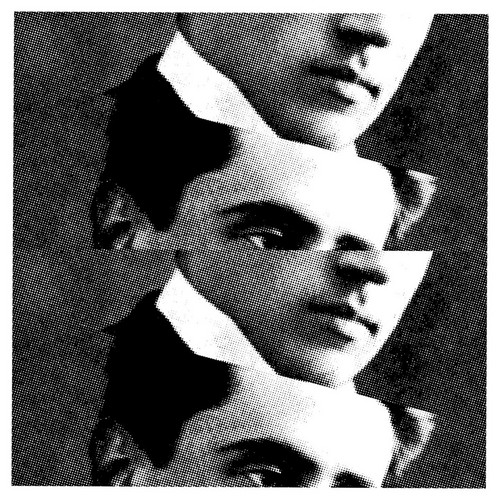
Let Me Perish Without Return: Lament and Longing from the Fading Russian Empire, 1889-1917
Twenty sides cut in the Russian Empire between 1889 and 1917, dug up by Gary Sullivan in the Russian shops of Brighton Beach and Forest Hills: music hall satire, drawing-room ballads and convicts' laments from the years before everything changed.
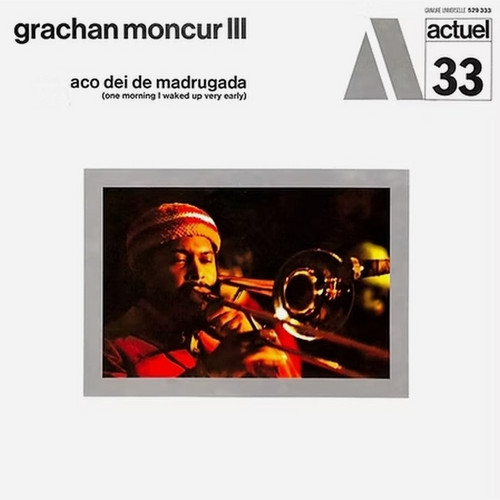
Aco Dei De Madrugada (One Morning I Waked Up Very Early)
Paris, 1969: Grachan Moncur III's second album for BYG, cut with a Brazilian rhythm section and bassist Beb Guerin. Samba sway meets American creative jazz, with Fernando Martins' wordless vocals on the title track.
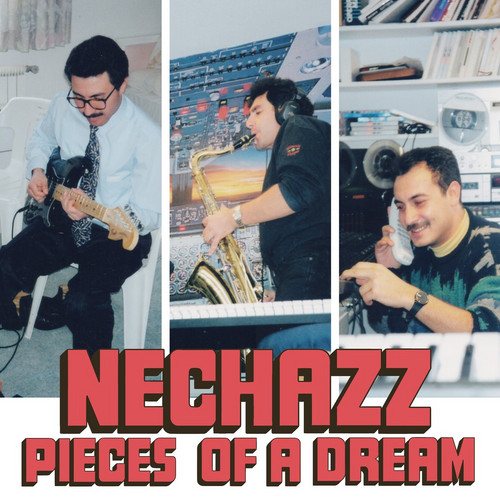
Pieces Of A Dream
Unreleased recordings made in 1988 and 1989 in a small home studio in Amman by the Jordanian trio Nechazz: smooth soul, jazz and synth pop in the spirit of Steely Dan and Bobby Caldwell, recovered from a family cassette.
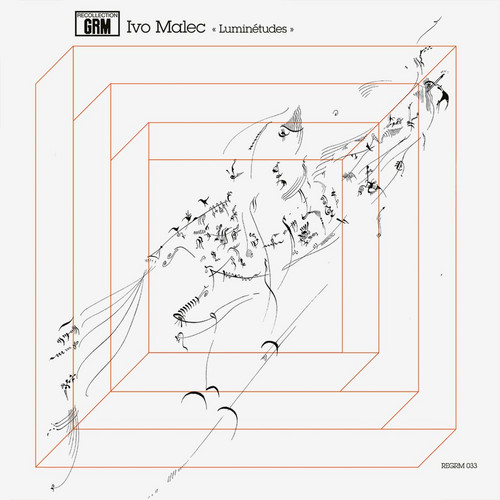
Luminétudes
Four electroacoustic works by Ivo Malec composed between 1961 and 1982, from the early Dahovi to Week-end, gathered by Recollection GRM and reissued on vinyl for the very first time.
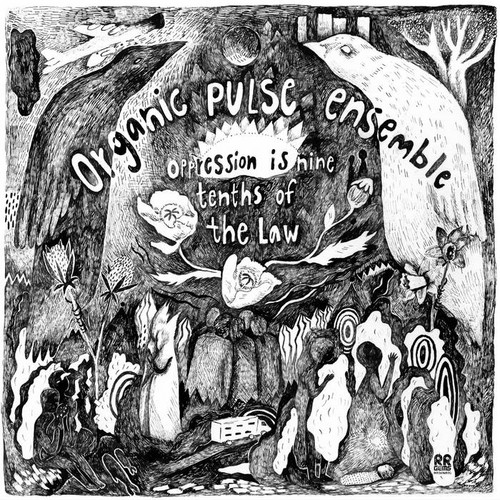
Oppression Is Nine Tenths of the Law
Gustav Horneij’s Organic Pulse Ensemble blends jazz tradition with modern groove, inspiring unity & protest, uplifting listeners in the fight for freedom and justice for all.
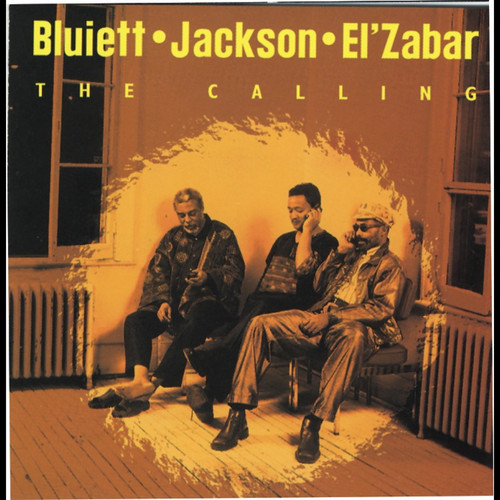
The Calling
Hamiet Bluiett's baritone, D.D. Jackson's piano and organ, Kahil El'Zabar's drums, kalimba and voice. Recorded live in the studio in Montreal in October 2000 with no overdubs, The Calling runs on call-and-response, church organ and blues, with Bluiett switching to wooden flute and contra-alto clarinet.
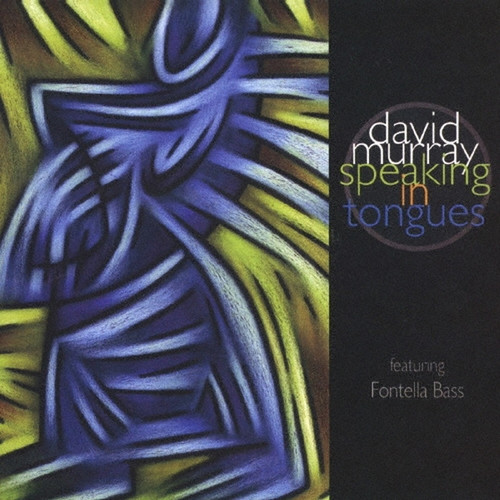
Speaking In Tongues
One day in a Paris studio, December 1997. David Murray goes back to the gospel church of his Berkeley childhood with Fontella Bass, the voice of Rescue Me and the Art Ensemble's Theme de Yoyo, over Hammond B3, electric bass and guitar. Amazing Grace, How I Got Over, and Murray's own twelve-minute Missionary.
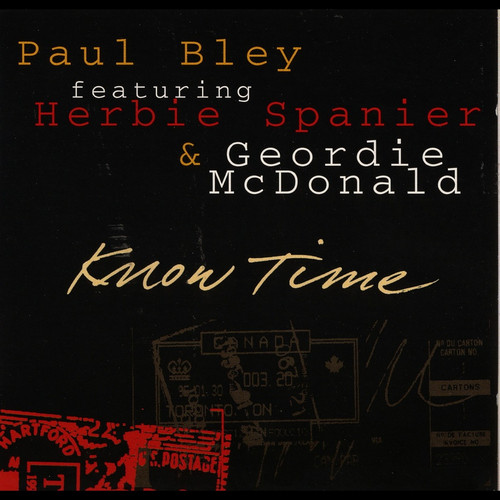
Know Time
Paul Bley and trumpeter Herbie Spanier played free duets in Los Angeles in 1958, around the time Ornette Coleman passed through Bley's band. That music was never documented. In Montreal in August 1993 they tried again, with Geordie McDonald's rack of gongs, shakers and temple blocks. Thirteen short improvisations.
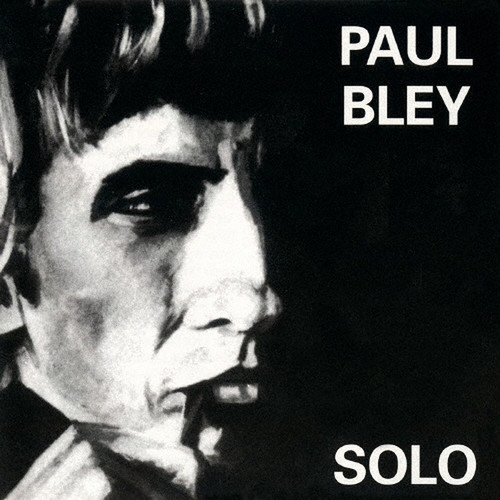
Solo
Paul Bley was born in Montreal in 1932 and left for New York at the start of the 1950s. He had already taken over Oscar Peterson's chair at the Alberta Lounge as a teenager. In December 1987 he came home, sat down at Studio Tempo, and recorded ten improvisations for a local label that was then four years old.
Solo was the first of the dozen or so records Bley made for Jim West's Justin Time over the next twenty years, a run that ended with About Time in 2008. It is also a digital recording from …
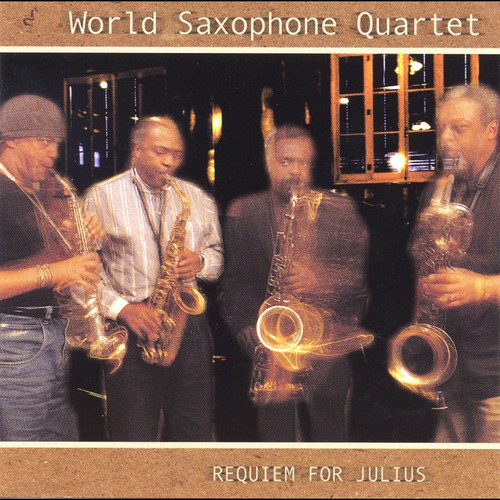
Requiem For Julius
Five years after Julius Hemphill's death, the World Saxophone Quartet records its farewell to him: four horns alone, no drums, at Studio Victor in Montreal in 1999. David Murray's title piece, three Oliver Lake tunes, a Jack DeJohnette opener. The Penguin Guide calls it one of the group's most accessible records.
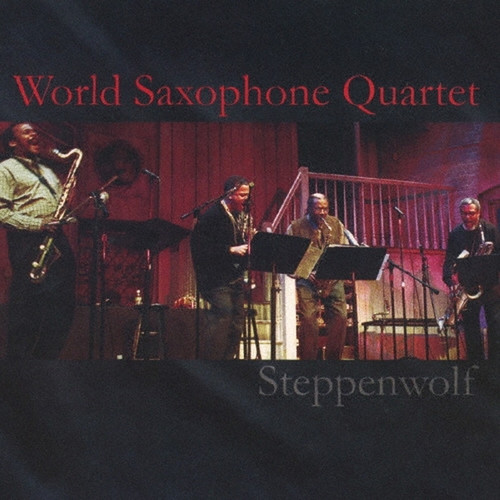
Steppenwolf
Chicago, Steppenwolf Theatre, 1 March 1999. The World Saxophone Quartet plays a full concert and the tape stays in a drawer for three years. Justin Time released it in 2002 as Steppenwolf, and it turned out to be the last record John Purcell made with the group.
The WSQ mostly recorded in studios. A live album from this period is a different animal: the pieces stretch out, the four players introduce their own tunes at the microphone, and Oliver Lake reads a spoken narrative. Jim Santella at All …
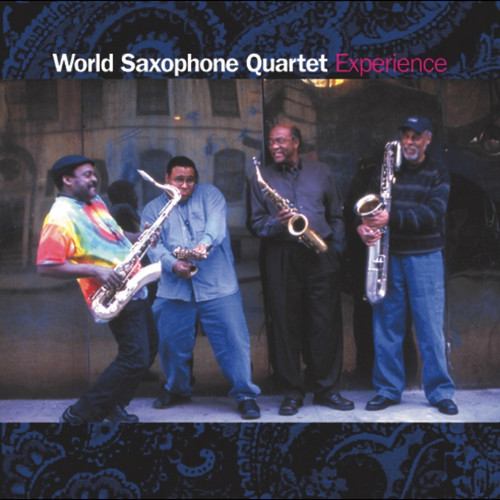
Experience
Eight Jimi Hendrix songs for four saxophones, plus trombone, violin, electric bass and drums. Experience was recorded over three days, 13 to 15 March 2003, and released by Justin Time in 2004.
By then the World Saxophone Quartet had a new fourth voice. Bruce Williams, on alto and soprano, had replaced John Purcell alongside the three founders, Hamiet Bluiett, Oliver Lake and David Murray. For the Hendrix material they brought in a rhythm section: Matthew Garrison on electric bass, Gene Lake (Oli…
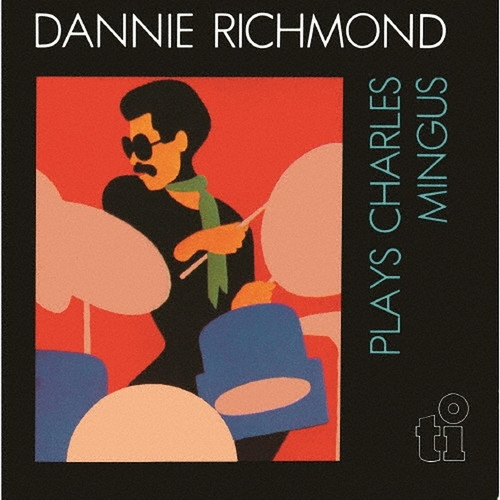
Plays Charles Mingus
Charles Mingus died in January 1979. Nineteen months later, on 18 August 1980, his drummer of more than twenty years took what was left of the last Mingus band into Fonoprint Studio in Bologna and recorded six tunes for the Dutch label Timeless.
Dannie Richmond had rarely led a date. Here he heads the quintet that had backed Mingus at the end: Ricky Ford on tenor, Jack Walrath on trumpet, Bob Neloms on piano, and Cameron Brown in the bass chair the leader had vacated. The record was co-produced …