Reissues
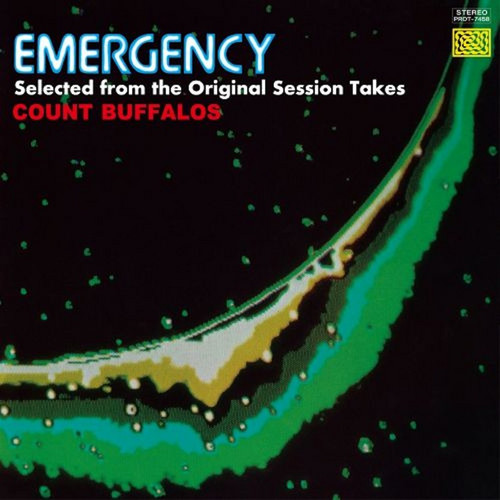
Emergency (Selected From The Original Session Takes)
Akira Ishikawa & Count Buffalos' 1976 direct-to-disc jazz-funk session for Toshiba, rebuilt from the best moments of the original takes.
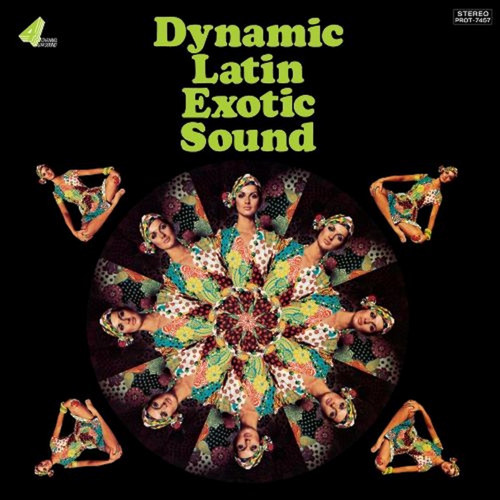
Dynamic Latin Exotic Sound
Akira Ishikawa's 1972 Latin set with Count Buffalo Latin Beats, arranged by Naoya Matsuoka: Cuban, Mexican, Brazilian and Puerto Rican standards pushed through fuzz guitar, Hammond organ and heavy drums.
Magnetoception
2CD version. A new edition of Joshua Abrams’ 2015 2xLP magnum opus Magnetoception is at last here. Out-of-print on vinyl for a decade+, Magnetoception is the 3rd album, & 1st double album, in the saga of Natural Information Society. In a Berwyn, Illinois attic, February 2013, Abrams, guitarists Emmett Kelly & Jeff Parker, & grand master drummer Hamid Drake gathered around vintage Neumanns & a woodstove to record the nucleus of Magnetoception live to 2-track. Beamed-in over the next year at Abram…
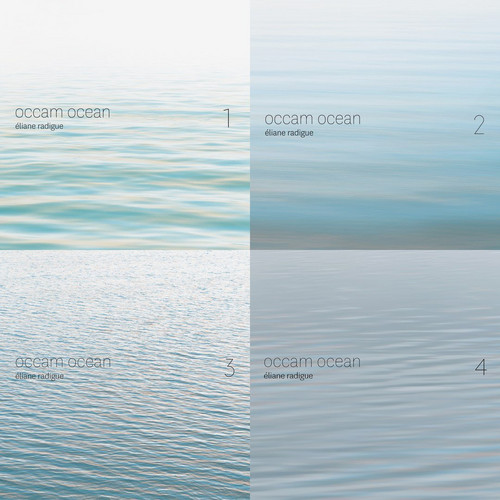
Occam Ocean 1-4
The first four volumes of Éliane Radigue's Occam Ocean on five CDs: solos, chamber pieces and orchestra, all shaped through oral transmission around images of water. Bundle of four Shiiin releases.
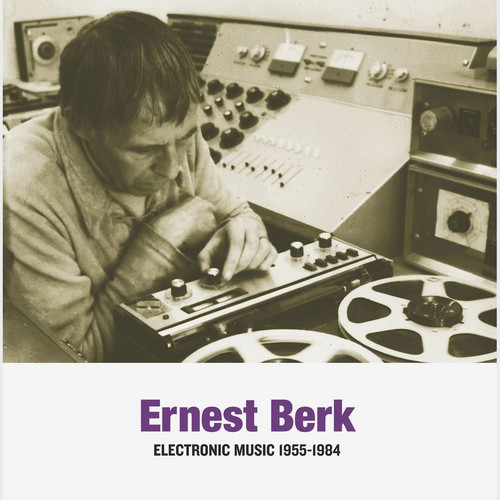
Electronic Music 1955-1984
Anthology of the German-born dancer and choreographer's electronic music for dance, made in his three North London studios: tape loops, kettle-lid percussion, radio interference and generator pulses, in Sub Rosa's Early Electronic series.
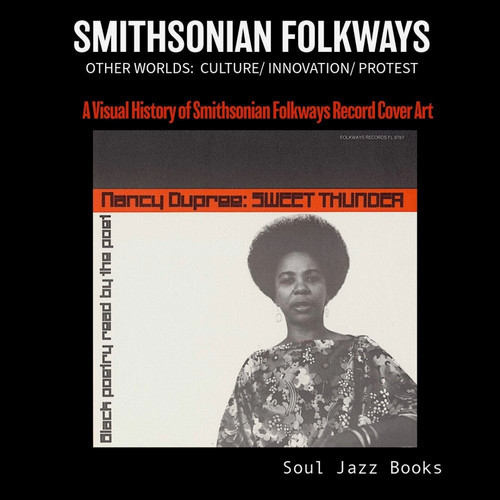
Folkways Records: A Visual History
Large-format hardback from Soul Jazz on the sleeves of Folkways Records, most by designer Ronald Clyne: hundreds of covers for Woody Guthrie, John Cage, Lead Belly, Allen Ginsberg and many more.
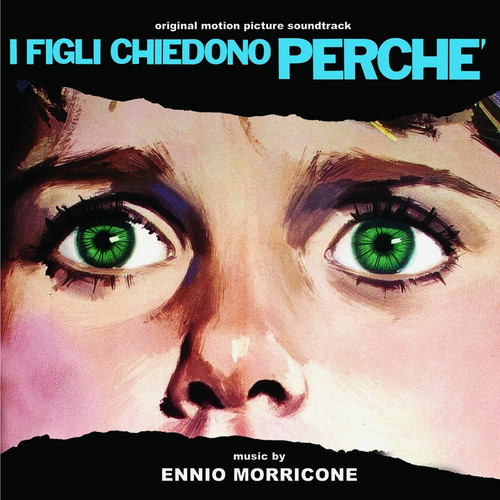
I Figli Chiedono Perché
Morricone's 1972 score for Nino Zanchin's film, from the original mono masters: a love theme sung by Edda Dell'Orso and psychedelic harp pieces with echo, back on CD after twenty years.
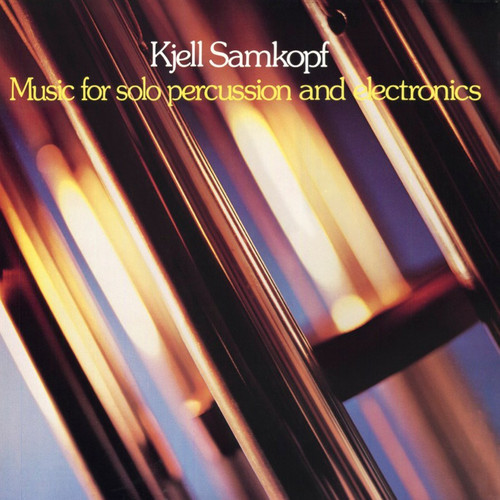
Music For Solo Percussion And Electronics
First reissue of the Norwegian percussionist's debut, recorded in 1981 at Henie Onstad Kunstsenter: vibraphone, marimba, bells and synths over environmental recordings, between Midori Takada and Fourth World.
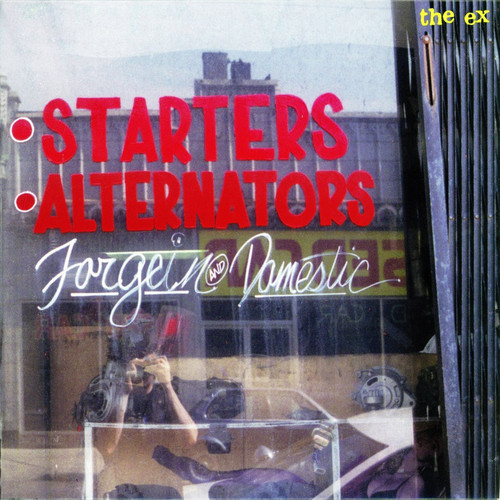
Starters Alternators
The Ex's 1998 album recorded by Steve Albini at Electrical Audio, their first for Touch and Go: eleven songs of interlocking guitars and stark drums, on vinyl for the first time with a booklet.
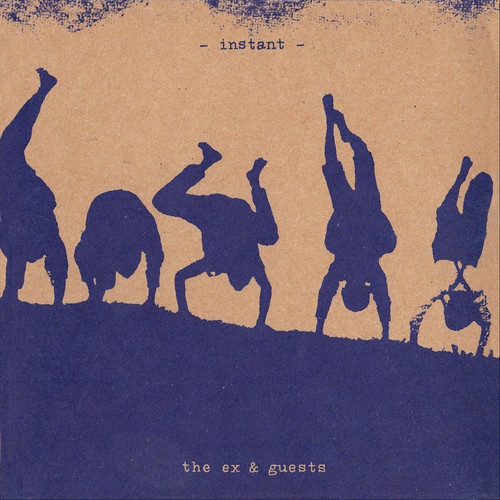
Instant
The Ex's 1995 album of 32 instrumental miniatures with Han Bennink, Ab Baars, Wolter Wierbos, Tristan Honsinger and Michael Vatcher: small-ensemble improvisation, on vinyl for the first time.
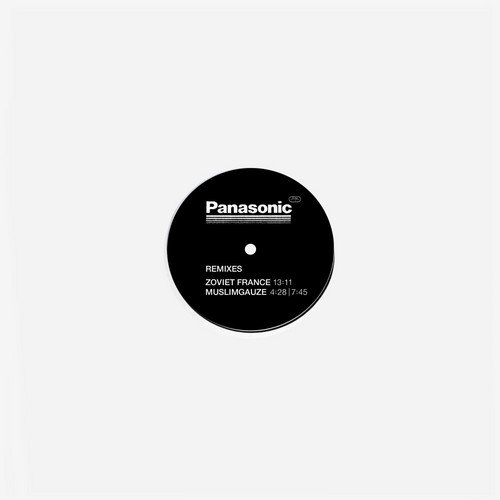
Remix EP
Three Panasonic remixes made in 1996 by Zoviet France and by Muslimgauze, found on DAT decades later and issued by Sähkö in 2020: one side of Zoviet France, two Muslimgauze pieces. Repress.

Sky Yen
Pete Shelley's 1974 electronic recording, made two years before Buzzcocks on a home-built oscillator and a two-track tape recorder: drones, feedback and echo, on CD for the first time.
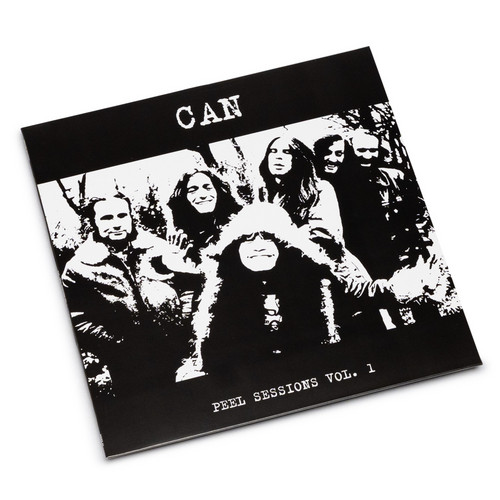
Peel Sessions Vol 1
Before the studio could tame an idea, Can were already somewhere new. The Peel Sessions Vol. 1 brings together recordings made for John Peel’s BBC Radio 1 programme between 1973 and 1975—music that moves freely between hypnotic rhythm, raw electronics and sudden, unexpected turns. Much of it is built from improvisation, with the band stretching each performance into its own world.
Across six tracks, Can turn the studio into a place of discovery. The momentum of “Up the Bakerloo Line with Anne” g…
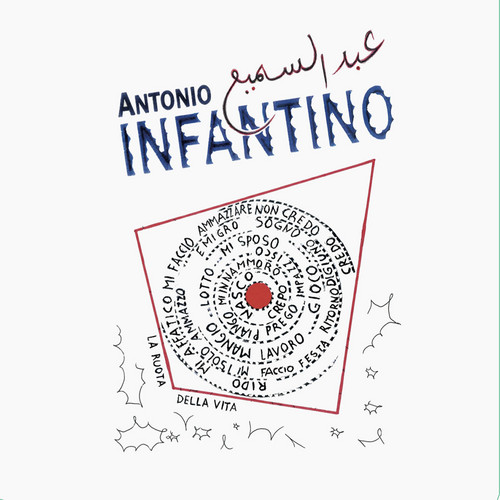
La ruota della vita
The final recordings of Antonio Infantino, made months before his death in 2018. Twenty-one tracks captured live, with no overdubs or post-production: voice, drum and the circling pulse of Lucanian tarantism, from the Beat poet who rebuilt the trance music of Basilicata into a songbook of his own.
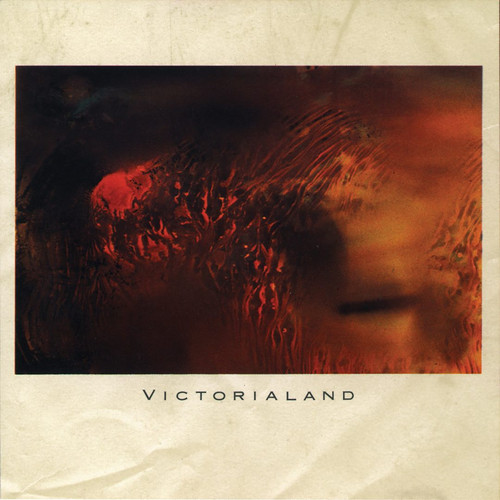
Victorialand
*2026 stock* Released in April 1986, Victorialand finds Cocteau Twins creating a world of extraordinary delicacy and atmosphere. Built around Elizabeth Fraser’s otherworldly vocals and Robin Guthrie’s shimmering guitar textures, the album floats free of conventional rock rhythms, inviting listeners into a landscape shaped by sound, silence and feeling.
Recorded by Fraser and Guthrie as a duo, Victorialand takes a more spacious, restrained path than the band’s earlier work. Its nine tracks unfold…
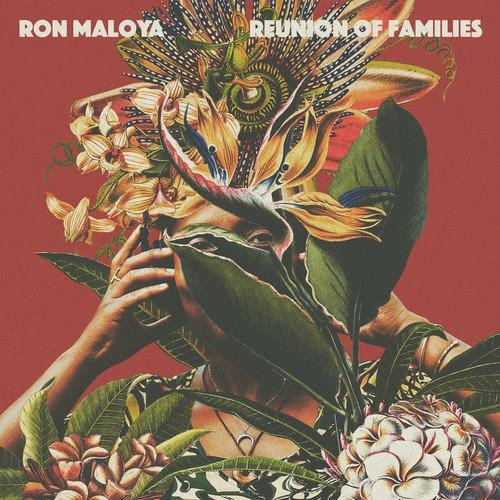
Ron Maloya: Reunion Of Families
Every Thursday night, the ocean promenade in St Denis becomes an open stage for everyone who wants to sing, play, dance and enjoy maloya in one of its most festive and community oriented forms. Sets that last for long hours are charged with energetic songs, and are open to anyone who can sing or play. These songs belong to the creole culture and most of them are well-known to all participants. You do not come here to give a concert but to be a part of it. You sing, keep the rhythm for a few minu…
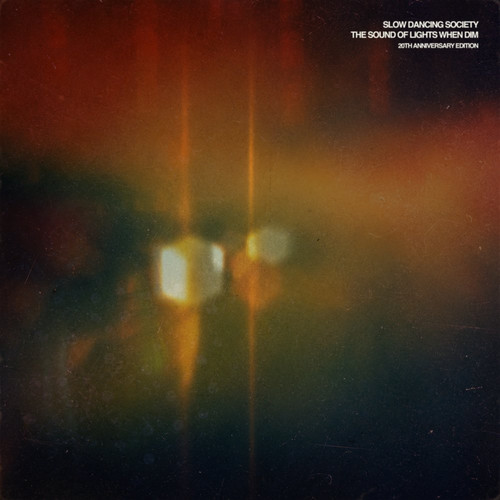
The Sound Of Lights When Dim
*200 copies limited edition* Twenty years after its original release, The Sound Of Lights When Dim remains a remarkable opening statement from Drew Sullivan’s Slow Dancing Society. First released on September 6, 2006, the eight-track album established a musical language that Sullivan would continue to explore and refine for the next two decades: slowly unfolding electronics, treated guitar, soft rhythmic movement and melody shaped less by conventional structure than by memory, atmosphere and emo…
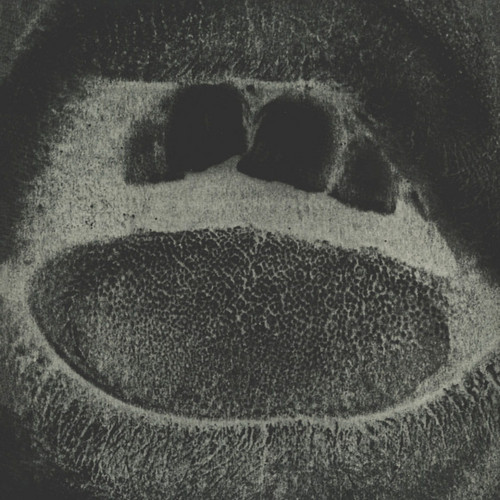
Form Destroyer
Skullflower's 1989 Broken Flag debut, the birth of British drone-noise-metal, back on vinyl for the first time in over thirty years, with Matthew Bower, Stuart Dennison, Stefan Jaworzyn and Stephen Thrower.
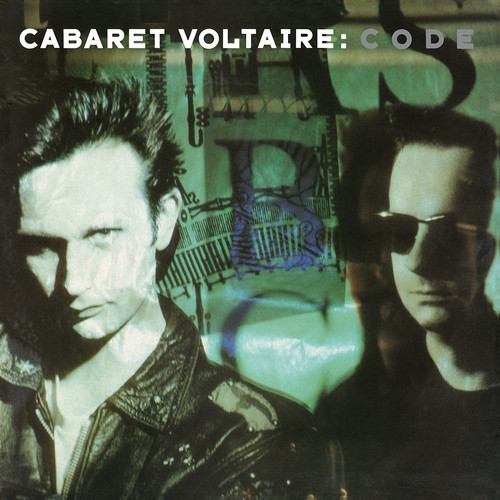
Code
Cabaret Voltaire's 1987 album, co-produced with Adrian Sherwood: the turn to synth-pop and mechanistic funk, remastered from the original tapes by Denis Blackham and back on Mute.
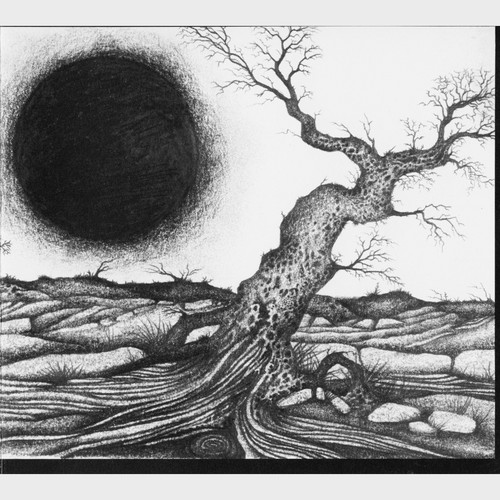
Obsidian Shaking Codex
The 1993 RRRecords session, the heaviest Skullflower record of the first decade: Matthew Bower, Stuart Dennison and Russell Smith in five long pieces of droning, chaotic dissonance.