Jazz /
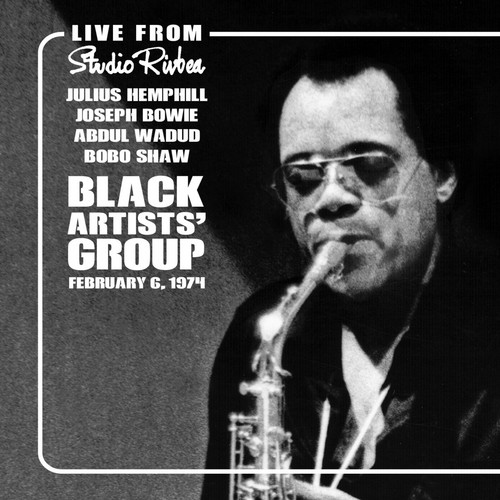
Rivbea Live! Series, Volume 5
NoBusiness Records proudly presents Rivbea Live! Series, Volume 5, a previously released live document capturing the remarkable creative energy of the Black Artists’ Group at Studio Rivbea in New York City on February 6, 1974. Featuring alto saxophonist and composer Julius Hemphill, trombonist Joseph Bowie, cellist Abdul Wadud, drummer Charles “Bobo” Shaw, and special guest violinist Raymond Lee Cheng, this essential archival recording offers an intense, searching encounter at the crossroads of …
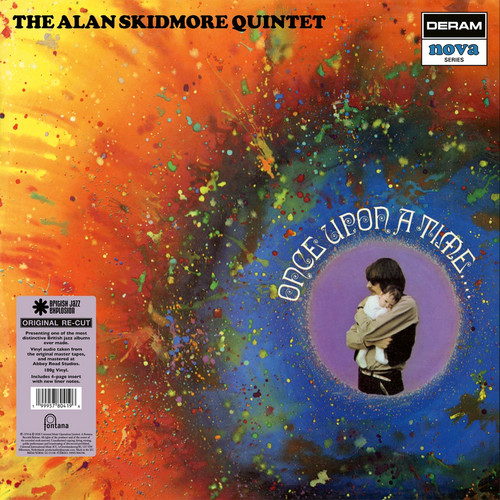
Once Upon a Time
Alan Skidmore's 1970 Deram Nova album with Kenny Wheeler, John Taylor, Harry Miller and Tony Oxley, fresh from their Montreux triumph: a jazz waltz, long suites and free passages, back on vinyl from the stereo masters.
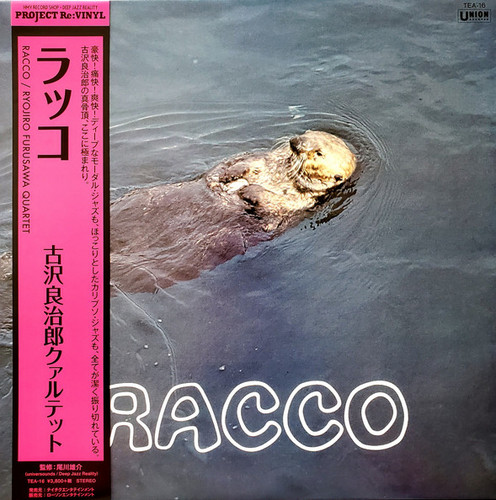
Racco
Few musicians, and few albums, embody such a joyful sense of freedom and vitality. Racco is where the artistry of Ryojiro Furusawa reaches its peak.
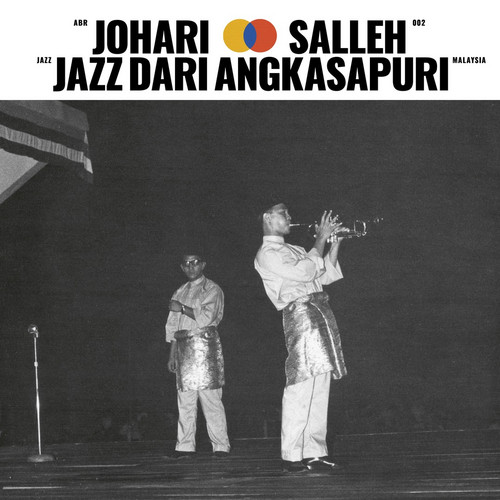
Jazz Dari Angkasapuri
Jazz recordings by the Malaysian trumpeter and composer Johari Salleh from the 1970s: modal grooves and jazz funk with Malay folk themes, until now available only on a few dozen locally pressed copies.
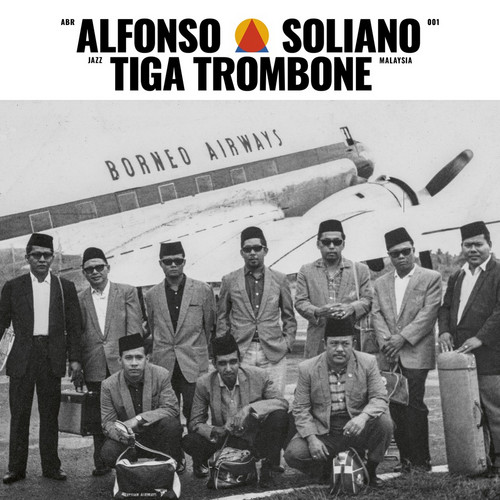
Tiga Trombone
First release on Audible Beauty, Habibi Funk's sister label: eleven jazz pieces by the Malaysian pianist and arranger Alfonso Soliano, recorded for Radio Television Malaysia and pressed in only a few dozen copies.
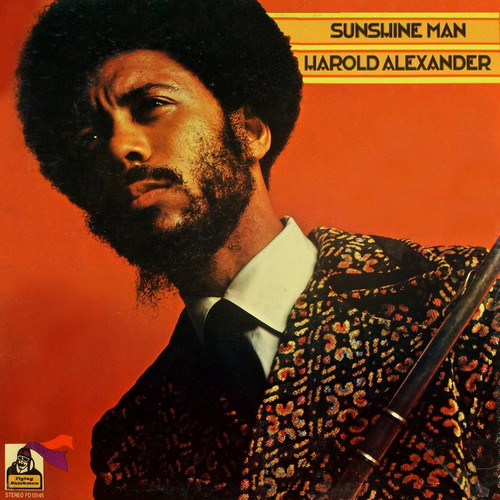
Sunshine Man
Two days in May 1971, produced by Bob Thiele for Flying Dutchman. Harold Alexander on flute and soprano over Neal Creque's electric piano, Richard Davis's bass, Pretty Purdie's drums and Richard Landrum's congas. Contains Mama Soul, the scat-flute track that got him into DJ sets decades later.
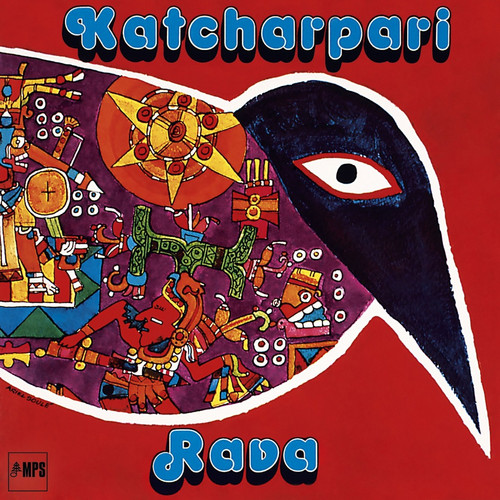
Katcharpari
Milan, January 1973. Enrico Rava's second record as a leader, with John Abercrombie on guitar, Bruce Johnson on bass and Chip White on drums, released by MPS/BASF. Rava has called it his breakthrough: the album that got Manfred Eicher's attention. Seven tracks, from Trial N. 5 to the Don Cherry tribute Cheerin' Cherry.
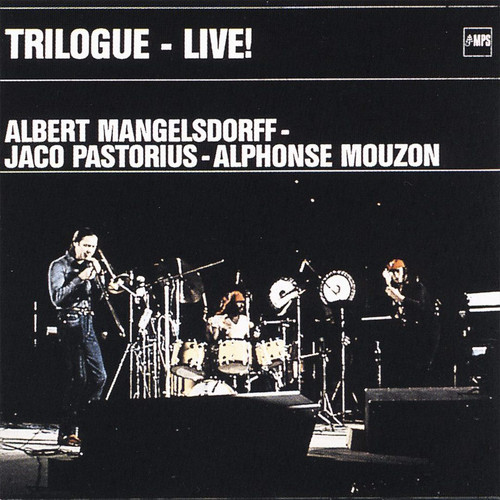
Triloque
Berlin Jazz Days, 6 November 1976. Albert Mangelsdorff's trombone, alone at the front, with Jaco Pastorius on electric bass and Alphonse Mouzon on drums, a year after Pastorius's debut. Five long pieces, recorded live, released by MPS in 1977. The trombone multiphonics against a fusion rhythm section.
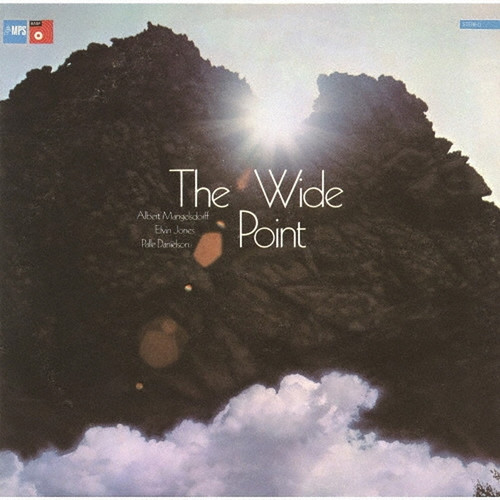
The Wide Point
Walldorf Studio, near Frankfurt, 1 and 2 May 1975. Albert Mangelsdorff on trombone, Palle Danielsson on bass, Elvin Jones on drums. Seven pieces, thirty-nine minutes, released by MPS the same year.
Mangelsdorff had recorded with Jones once before, on the 1968 duet album Albert Mangelsdorff and His Friends. The Wide Point is the first of his trombone-bass-drums trio records, the format that would produce Trilogue with Pastorius and Mouzon the following year and the Montreux album in 1980. The ban…
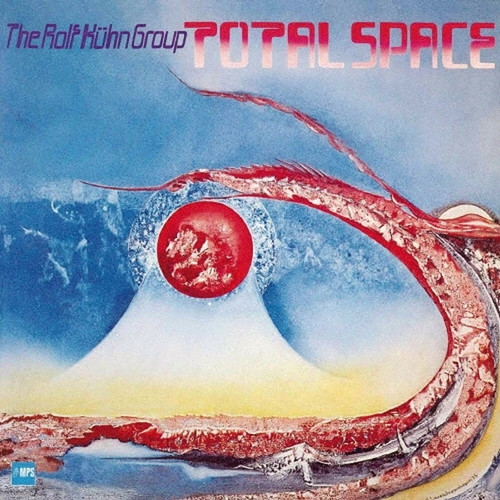
Total Space
Cologne, Cornet Studios, January 1975. Rolf Kühn on clarinet with a band that reads like a German jazz roll call: his brother Joachim Kühn on piano and electric piano, Philip Catherine on guitar, Gerd Dudek on tenor and soprano, Albert Mangelsdorff on trombone, Bo Stief on bass, and two drummers, Daniel Humair and Kasper Winding.
Kühn chose not to record in the MPS studio in the Black Forest and brought in the engineer Wolfgang Hirschmann instead. In his own account, quoted in MPS's reissue note…
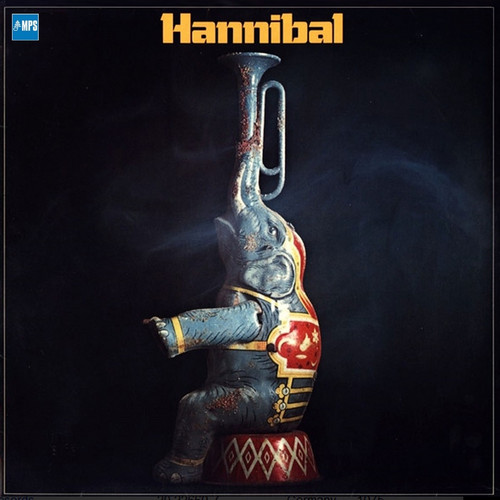
Hannibal
Ludwigsburg, 1 and 2 July 1975. Hannibal Marvin Peterson's first record for MPS, with Diedre Murray's cello, Michael Cochrane's piano, Stafford James and Thabo Michael Carvin. Two modal originals, a version of Misty, The Voyage with Hannibal on koto, and the fourteen-minute Soul Brother for Malcolm X.
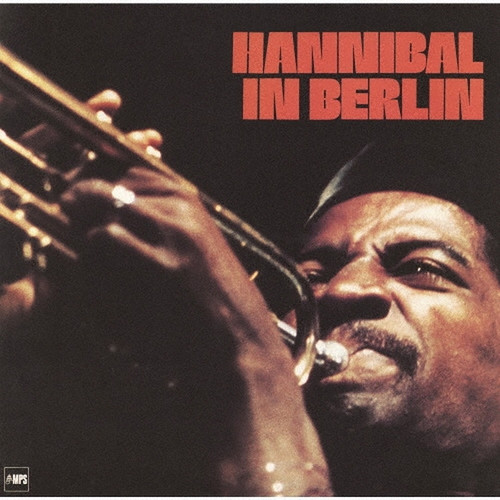
Hannibal In Berlin
Berlin Philharmonie, 3 November 1976. Hannibal with George Adams on tenor, Diedre Murray on cello, Michael Cochrane, Steve Neil and Allen Nelson. His own 23rd Psalm, Coltrane's Bessie's Blues and My Favorite Things, Willow Weep for Me, and Swing Low Sweet Chariot as a memory of the Texas cotton fields.
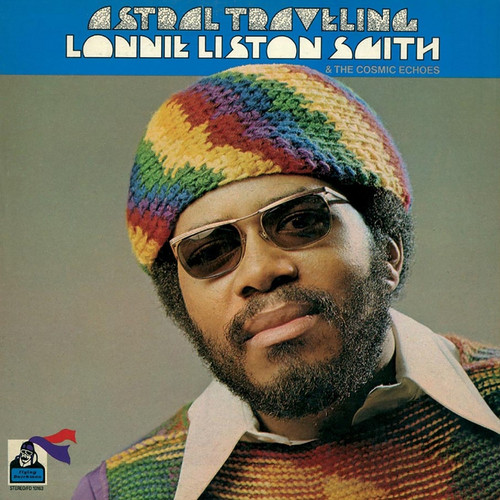
Astral Traveling
Lonnie Liston Smith's first album under his own name, 1973, straight out of the Pharoah Sanders band and the Thembi sessions where the title track was born on a Fender Rhodes. Cecil McBee, Joe Beck, Badal Roy on tabla, Mtume on congas, a tamboura. Six pieces, produced by Bob Thiele for Flying Dutchman.
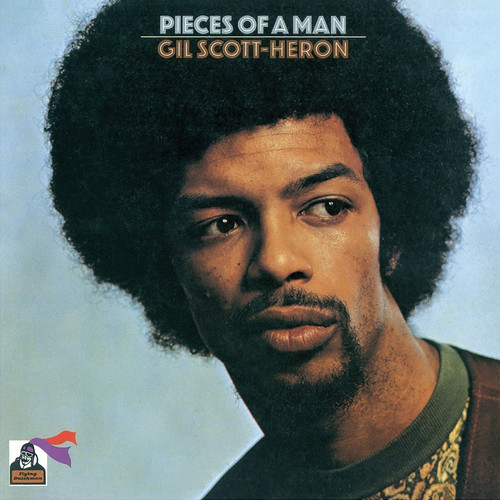
Pieces Of A Man
RCA Studios, 19 and 20 April 1971. Gil Scott-Heron's first studio album, with Brian Jackson on piano, Ron Carter, Hubert Laws, Bernard Purdie and Burt Jones, produced by Bob Thiele. The band version of The Revolution Will Not Be Televised, Lady Day and John Coltrane, Home Is Where the Hatred Is.
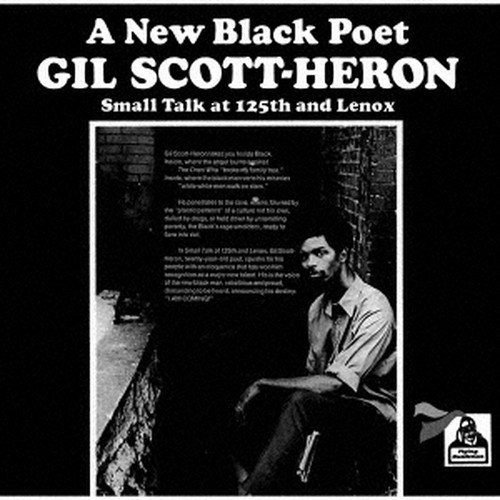
Small Talk At 125th And Lenox
A New Black Poet: Gil Scott-Heron's first record, 1970, a book of poems read in front of an audience with three percussionists, Eddie Knowles, Charlie Saunders and David Barnes, produced by Bob Thiele. The first version of The Revolution Will Not Be Televised, Whitey on the Moon, and the title piece.
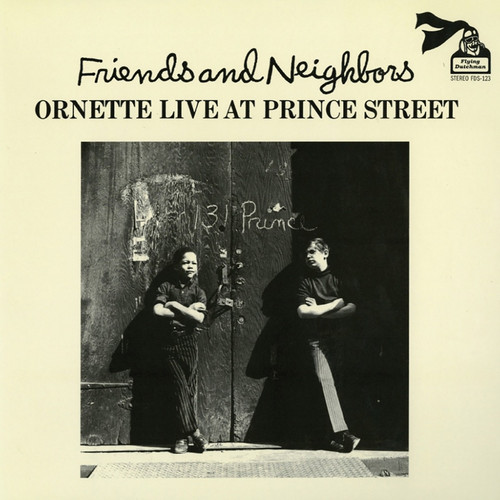
Friends And Neighbors (Ornette Live At Prince Street)
Ornette Coleman's loft at 131 Prince Street, Valentine's Day 1970. Dewey Redman, Charlie Haden, Ed Blackwell, and whoever was in the room singing the title chant. The only Coleman album on Flying Dutchman: six pieces, Ornette on alto, trumpet and violin, taped as a party rather than a concert.
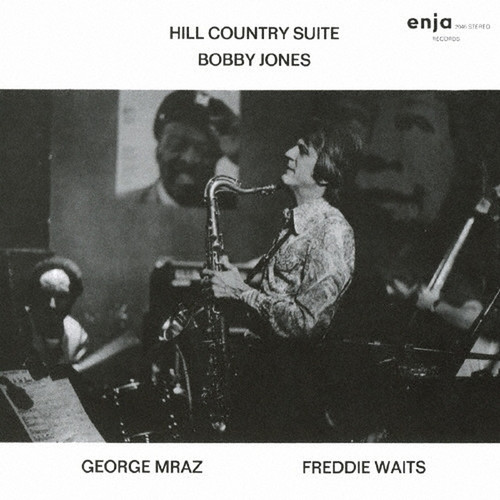
Hill Country Suite
Bobby Jones played tenor in the last Mingus bands of 1970-72, toured Europe and Japan with them, and then, with emphysema closing in, moved to Germany, where he died in 1980. Hill Country Suite is one of two records under his name, made at Trixi Studio in Munich on 30 August 1974 for Enja, in trio with George Mraz on bass and Freddie Waits on drums.
Six pieces, all his, and the titles say where he came from: Bringin' in the Sheep, Old Jack Daniels, Halleluja! Y'uns All Come to the Weddin' Dance,…
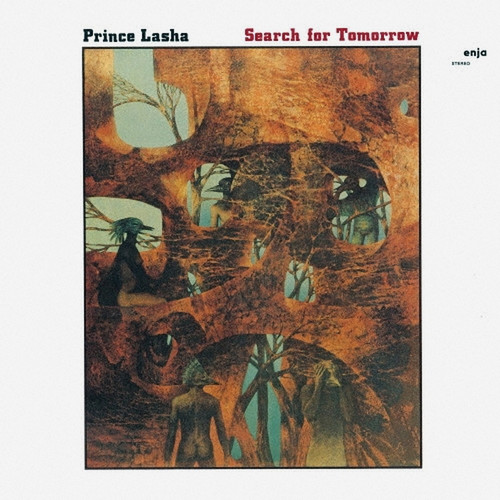
Search For Tomorrow
Berkeley Jazz Festival, 1974. Prince Lasha, the Fort Worth altoist and flautist who had made The Cry! with Sonny Simmons and Iron Man with Dolphy, with Hubert Eaves on piano, Ron Carter on bass, Roy McCurdy on drums and Kenneth Nash on percussion. Three pieces, including the sixteen-minute Mayflower.
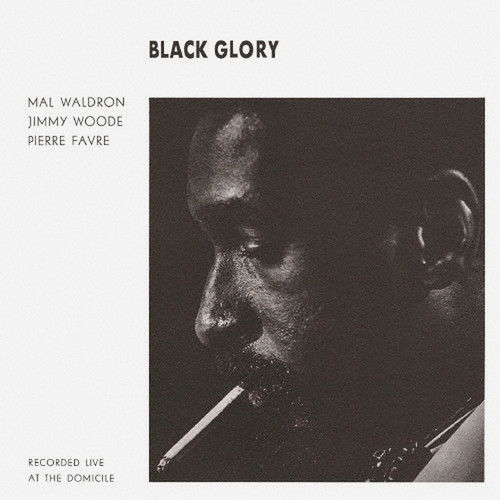
Black Glory
One of the first Enja records, the fourth in the catalogue according to AllMusic, recorded live at the Domicile club in Munich in June 1971. Mal Waldron in trio with Jimmy Woode, the former Ellington bassist, and the Swiss drummer Pierre Favre. The same trio made Mal Waldron Plays the Blues for the label the same year.
Four Waldron originals (Sieg Haile, La gloire du noir, The Call, Rock My Soul) and Woode's brief M.C.. AllMusic's note describes a master of repetition and brooding chords in exce…
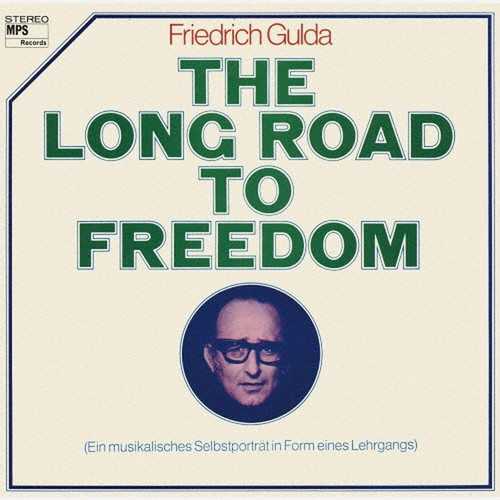
The Long Road To Freedom
Villingen, 26 February 1971. Friedrich Gulda's self-portrait in the form of a course, a double LP mostly of solo piano with Klaus Weiss on drums, Fritz Pauer and a horn section including Benny Bailey and Sahib Shihab. Prelude and Fugue, Play Piano Play, a set of variations on Light My Fire, and a Goethe setting.