Charles Ives
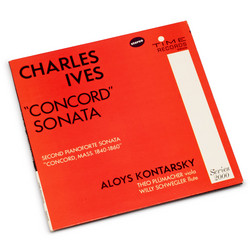
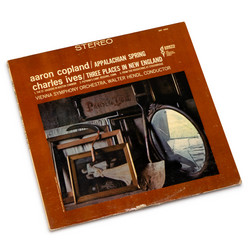
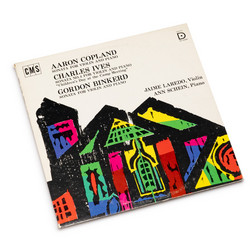
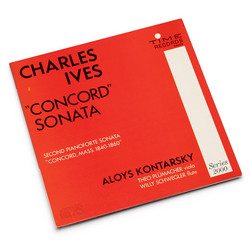
Charles Ives (1874-1954) was born in Danbury, Connecticut, the son of George Ives, a Civil War bandleader who encouraged him to harmonise tunes in two keys at once and to listen to bands playing on opposite sides of the town square. He studied with Horatio Parker at Yale, then made his living in insurance, in the agency that became Ives & Myrick, and composed in his spare time. Polytonality, polyrhythm, tone clusters and quarter tones appear in his music decades before they were common practice; in the Concord Sonata the pianist presses down a cluster with a strip of wood. Hymns, marches, parlour songs and Stephen Foster run through The Unanswered Question (1908), Three Places in New England and the Fourth Symphony. He stopped composing around 1927, and his music reached listeners largely through the efforts of Henry Cowell and Lou Harrison.
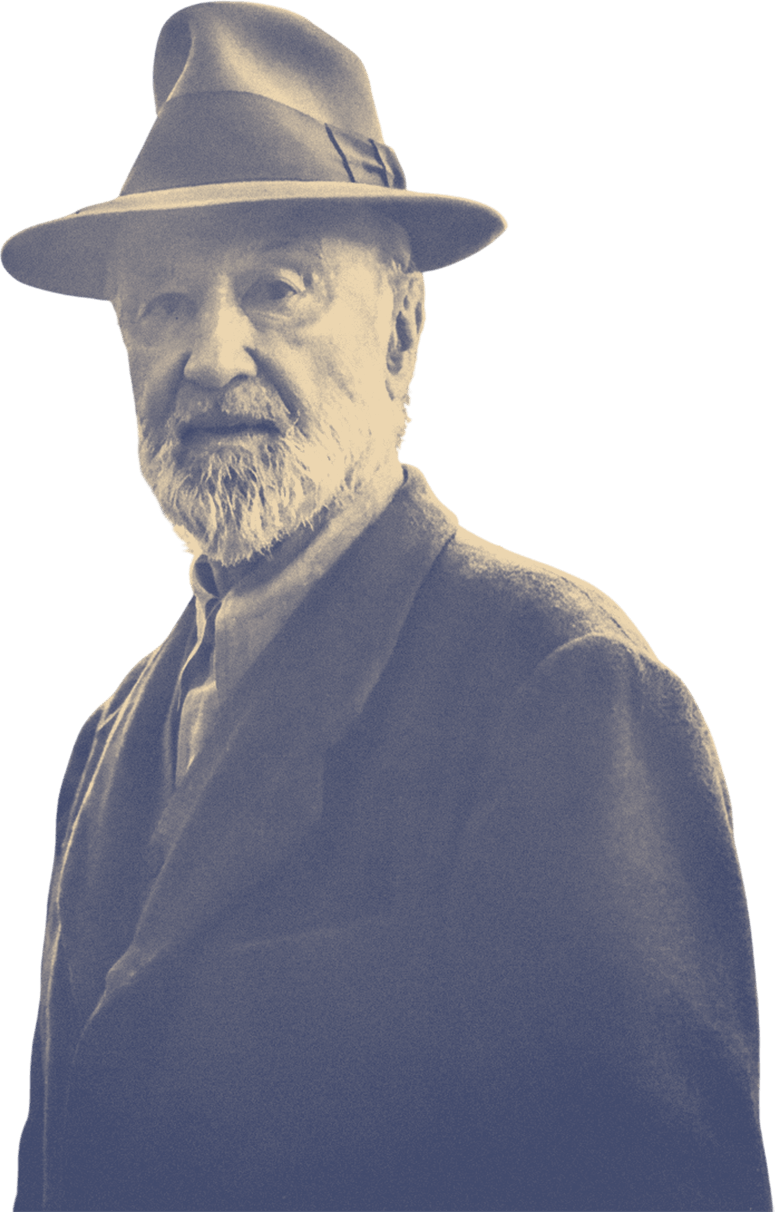
Charles Ives (1874-1954) was born in Danbury, Connecticut, the son of George Ives, a Civil War bandleader who encouraged him to harmonise tunes in two keys at once and to listen to bands playing on opposite sides of the town square. He studied with Horatio Parker at Yale, then made his living in insurance, in the agency that became Ives & Myrick, and composed in his spare time. Polytonality, polyrhythm, tone clusters and quarter tones appear in his music decades before they were common practice; in the Concord Sonata the pianist presses down a cluster with a strip of wood. Hymns, marches, parlour songs and Stephen Foster run through The Unanswered Question (1908), Three Places in New England and the Fourth Symphony. He stopped composing around 1927, and his music reached listeners largely through the efforts of Henry Cowell and Lou Harrison.