Psych /
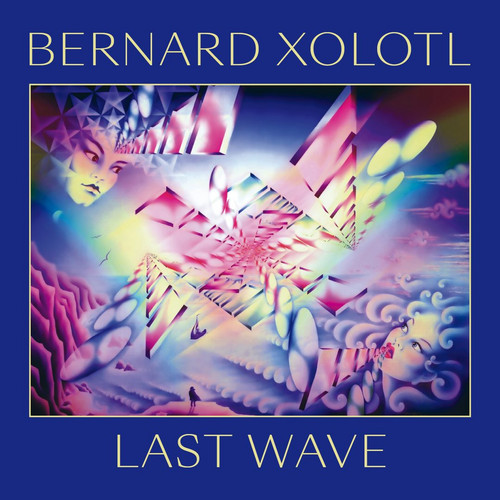
Last Wave
CD version. Bureau B presents a reissue of Bernard Xolotl's fifth album Last Wave, originally released only on cassette in 1982. This is French electronic music from California. He named himself after the Aztec god of lightning and death; his music is influenced by the Berlin school of electronic music. As a teen, Xolotl (b. 1951) was introduced to electronic music through the works of Musique Concrete composers like Pierre Henry and Pierre Schaeffer, although he found the early recordings of Pi…
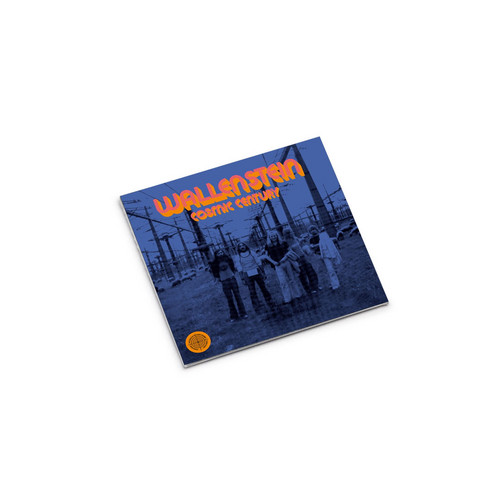
Cosmic Century
The third album from Wallenstein, originally released in 1973, stands as the band's definitive statement and one of the peak achievements of the entire Kosmische Musik movement. Led by keyboardist Jürgen Dollase and guitarist Bill Barone, the group had evolved from their earlier heavy progressive sound into something far more expansive and cosmic in scope.
Cosmic Century is exactly what its title promises - a journey through infinite space rendered in swirling synthesizers, celestial guitar work…
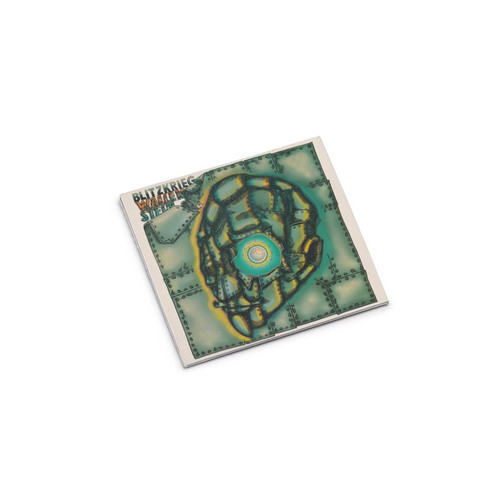
Blitzkrieg
One of Germany's longer lasting bands had first started as Blitzkrieg (until they found out a British band used the name as well) and changed their name to Wallenstein and kept their former name for the album, gracing it with a war-themed gatefold cover. Produced by the unavoidable Dieter Dierks and released on the ultra collectible Pilz label in early 72, this debut album is stunning effort that transformed the 200 MPH speed notion into music. Keyboardist Jurgen Dollasse's very international gr…
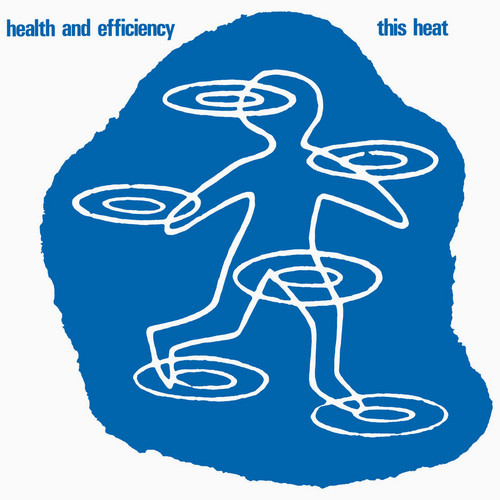
Health and Efficiency
For some fans, Health And Efficiency is This Heat's peak achievement - their most concentrated blast of visceral intensity and wayward experimentalism. Featuring two long pieces, the EP came out in September 1980. It was released on Piano, the imprint founded by David Cunningham of Flying Lizards, and distributed by Rough Trade, home of the burgeoning post-punk movement and fellow travelers like The Raincoats, Scritti Politti, Cabaret Voltaire and The Red Crayola.
Lead track Health And Efficienc…
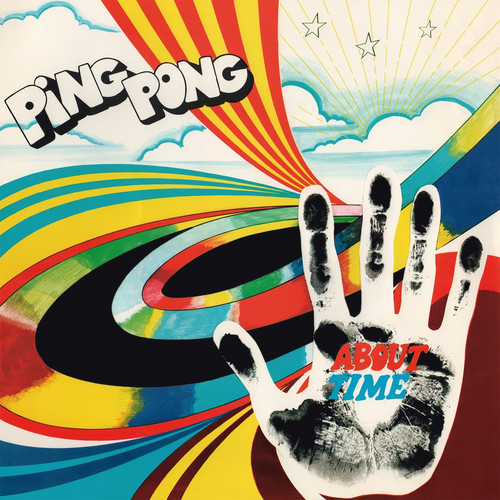
About Time (LP)
*2026 repress* 1971’s ‘About Time’ was the Ping Pong debut album. Founded by Alan Taylor from The Casuals it was one of the first bands in Italy (based in Bologna) to be inspired by the British sound of the period moving between late ‘60 psychedelic rock and the jazzy prog such Jethro Tull, Tonton Macoute, Camel and Caravan. 10 tracks all sung in English delicate and exceptionally well performed with warm precision, enthusiasm and greater energy in which the excellent musicians highlight their a…
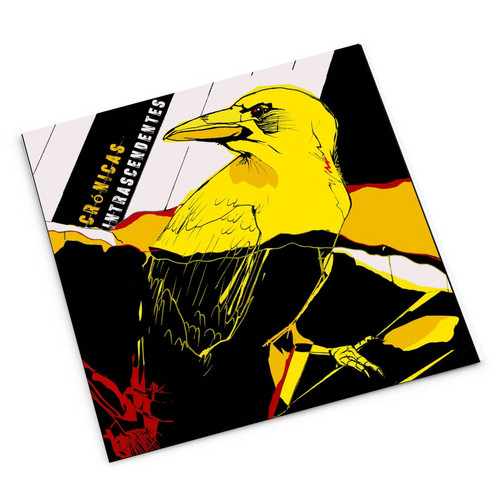
Crónicas Intrascendentes
On Crónicas Intrascendentes, Akenathon threads a shadowed, cinematic strain of Argentine progressive rock through small, quotidian vignettes. Everyday scenes – a clown’s complaint, a kiosk errand, the death of a cobbler – become surreal miniatures where symphonic textures, narrative vocals and sly humor turn “inconsequential” chronicles into quietly unsettling parables.
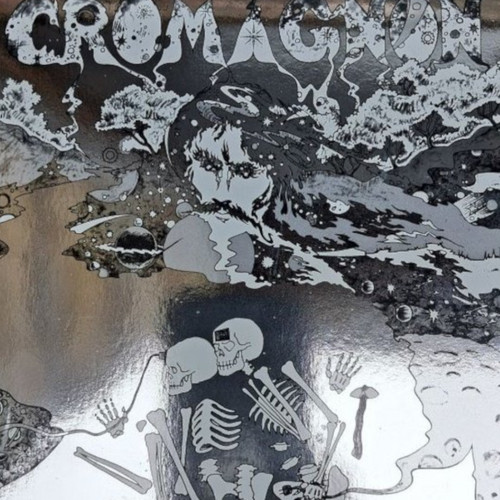
Orgasm
*2026 stock* Certainly one of the greatest UFOs in music history—Cromagnon and its concept album “Orgasm” dating back to 1969—about what was to happen thirty years later: a blend of industrial, metal, and experimental music, bathed in improvised LSD-fueled experiences. “The project wasn’t supposed to be smooth, otherwise humanity is lost. There’s room for computers, but the soul is gone.”
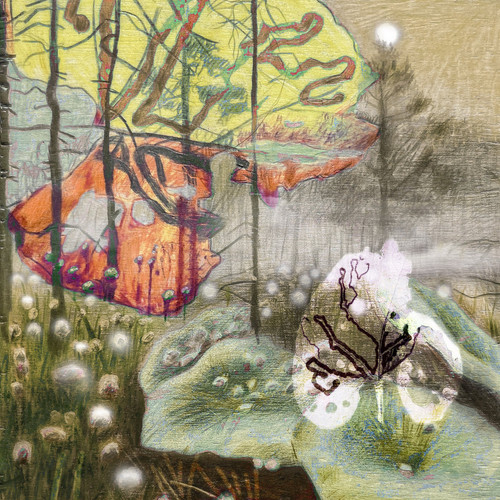
K-drone
When everything around is racing blindly toward ruin, change direction and spin as fast as you can until you defy gravity and rise above the ground into blissful madness. "K-drone", the debut album by three renegades—Jakub Šimanský, Michal Vaľko, and Ján Podracký—is like a hallucinatory Calvary with five stations. Each station is a time-loop capsule, a tiny utopia sneering at the phantom progress of the world outside. The opening track, "Speedrone", is pure vertigo; for seven long minutes, there…
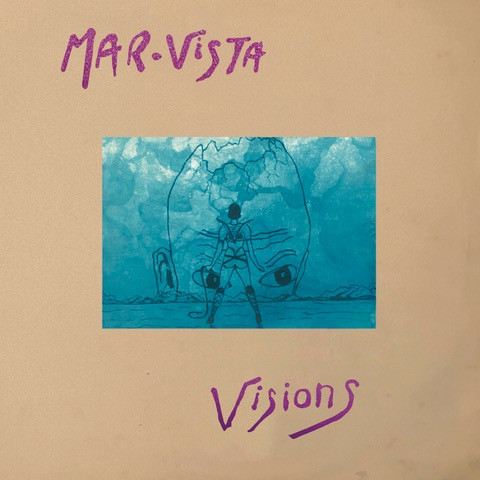
Visions Of Sodal Ye
Originally self-produced in 150 copies (1977), Mar-Vista’s only album is one of France’s most strange and radical records. Psychedelic electronic music, experimental, and acid folk — a collector’s grail for fans of Klaus Schulze, Terry Riley, Neu, Heldon and Silver Apples.

Skin Deep
*2026 stock. 300 copies limited edition* After Shave recorded in 1972 one of the most iconic 70’s rock LP’s out of Switzerland, now reissued for the first time in collaboration with the leader of the band, Pierre-Alain Kessi. This classic 70's LP was recorded in Bienne at Soundraft´s studios on an eight- tracking recording deck, being a balanced mix between their heavy rock vein and their acoustic side, making what is one of the best swiss 70's rock records.
The album gathers some great heavy tr…
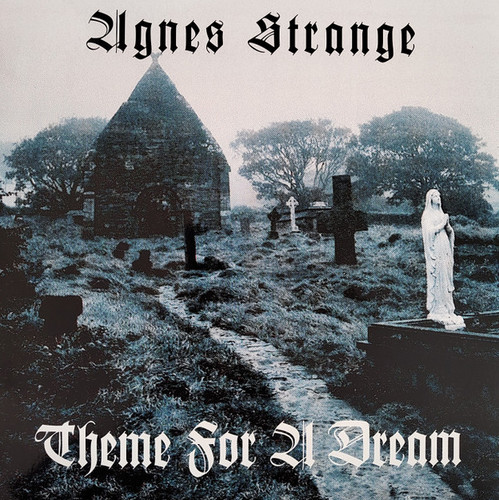
Theme For A Dream
Yunque Records proudly presents the first official release of the explosive Theme For A Dream LP by British heavy rockers Agnes Strange. Recorded in 1974 at Meridian Studios — a year before the band laid down their cult classic Strange Flavour — this powerful LP captures Agnes Strange at their rawest and most uncompromising. Engineered by Colin Thurston, the sessions deliver crushing riffs, searing guitars, and the untamed energy that defined the early British heavy underground.
The album featur…

Broken Man / Willow Tree / Just A Dream
*2026 stock* Peanut Rubble was a power trio from Buckinhamshire, a rural area a few miles northwest of London. This Radio Luxembourg Studios recordings were made back in 1968, being an early sample of british heavy music one year before Led Zeppelin released their first album.
They used to play in college/university circuit, airbases and youth clubs with 100w Marshall stacks, being too loud for some of those clubs. They supported bands such as Status Quo, The Pretty Things, Arthur Brown or Pink …
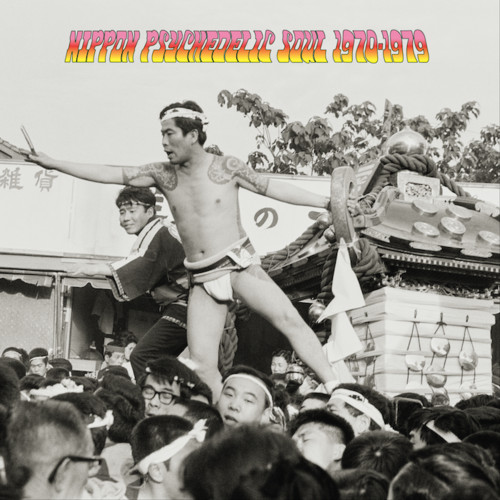
Nippon Psychedelic Soul 1970-1979
Nippon Psychedelic Soul 1970-1979 is Time Capsule’s continuation of the deep dive into Japan’s rich history of folk and psychedelic soul music.

Nippon Acid Folk 1970-1980
*2026 repress* The birth of Japan’s nascent acid folk scene was rooted in the messy and invigorating political climate of the late 1960s. It is a story of Dadaists, communists, pharmacists and cult leaders, led by a young generation of upstart students, artists and dreamers hellbent on turning their world upside down. Born on the campuses of Tokyo, Kyoto and Osaka, and centred around newly formed independent label and left-wing stronghold URC, this uniquely Japanese form of folk expression provi…

God Is Good
It's been years now. OM have done their time in the desert, and ever-changing, are returned. Today, they say, God is Good. Are you surprised? Perhaps you've haven't understood what OM was saying to you. But perhaps you felt something... It's true that the one way pursued by OM leads in many different directions. It is a mystic path. Songs come from innumerable sources, filtering through the external and the internal. OM albums are rituals, personal convictions transcripted into verse. Playing th…

Advaitic Songs
More than a decade after its initial release, Om's Advaitic Songs continues to stand as a towering achievement in heavy music's ongoing evolution - a record that demolished preconceptions about what drone-doom could become while establishing new possibilities for consciousness-expanding composition. Where God Is Good represented the first step in a more ornate and sophisticated direction for Om, Advaitic Songs achieved a level of composition that would have been impossible to foresee from the du…
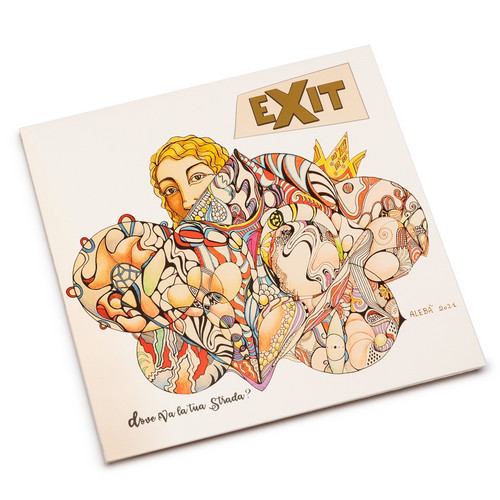
Dove Va La Tua Strada?
A road that waited fifty-two years to be walked. Recorded in Trieste in 1973 and never released, Dove Va La Tua Strada? is the lone document of Exit - a band that vanished without leaving an official trace, now resurfacing through Black Widow Records in a highly limited edition of 400 copies. This is Italian prog archaeology of the purest kind: not a reissue, but a first appearance, half a century late.
The story of its recovery has something novelistic about it. In the summer of 2021, at the Tr…
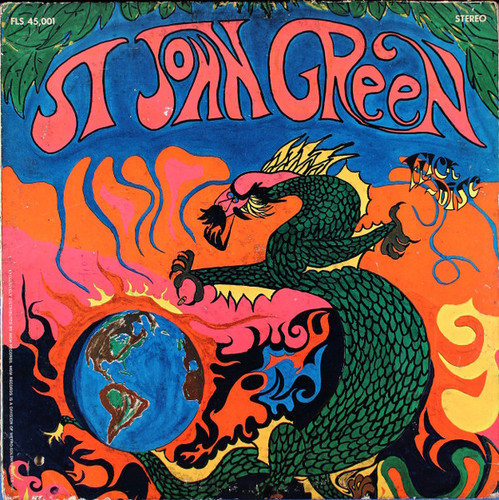
St. John Green
The album “St. John Green” is the only release by the American band of the same name, and is regarded as a minor cult classic of 1960s psychedelia. It was released in 1968 by the small label Flick-disc. Released at the height of the flower power era, the record perfectly captures the musical and cultural atmosphere of the late 1960s. The album blends various elements typical of psychedelia with sonic experimentation, garage lysergic influences and a free-spirited approach to songwriting.
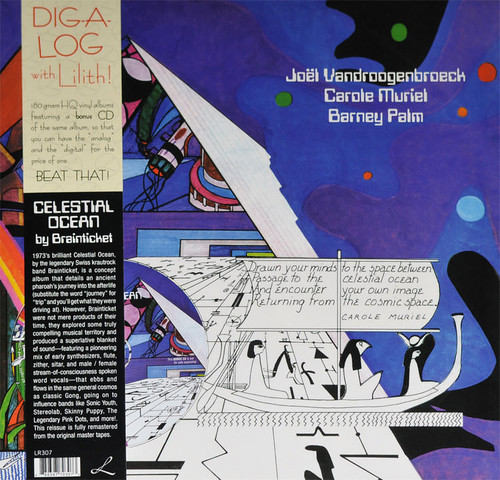
Celestial Ocean
*2026 repress* 1973s brilliant Celestial Ocean, by the legendary Swiss krautrock band Brainticket, is a concept album that details an ancient pharoahs journey into the afterlife (substitute the word "journey" for "trip" and youll get what they were driving at). However, Brainticket were not mere products of their time, they explored some truly compelling musical territory and produced a superlative blanket of sound-featuring a pioneering mix of early synthesizers, flute, zither, sitar, and male …

3/3
3/3 is best known as the precursor to Friction, one of the most influential bands in the history of Japanese rock. Despite the fact that their only album was originally selfproduced in 1975 in an extremely limited run of just ten copies, it has since come to be recognized as one of the most important and legendary recordings in Japanese rock history. For decades, the full scope of the album remained shrouded in mystery until P-Vine reissued it on CD in 2007, finally bringing this elusive recordi…