Drums
All records with drums · Solo drums only
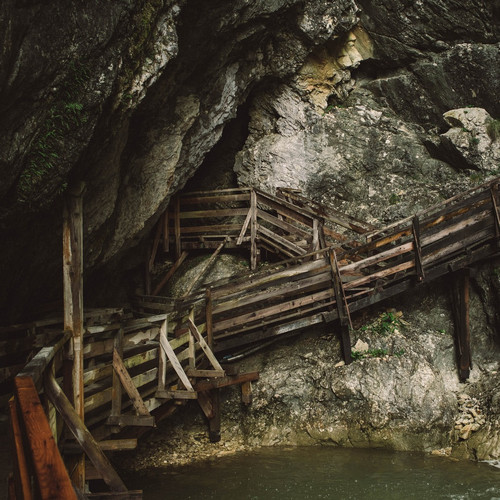
Ascending the Depths
Ithaca trio of Sarah Hennies, Willie B. and Keir Neuringer, three percussionists reaching into vibraphone, saxophone and piano. Eight studio improvisations, playful and energetic, held against a meditative core.
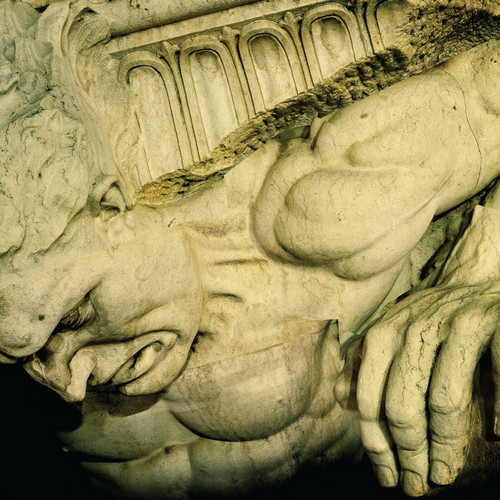
Romance
The Portuguese percussionist turns drums and cymbals into generative sources: seven tracks of spectral tones, sub-bass rumble and warbly VHS tones, shaped by electronic manipulation and by the chromatic dissonance of Carlo Gesualdo.
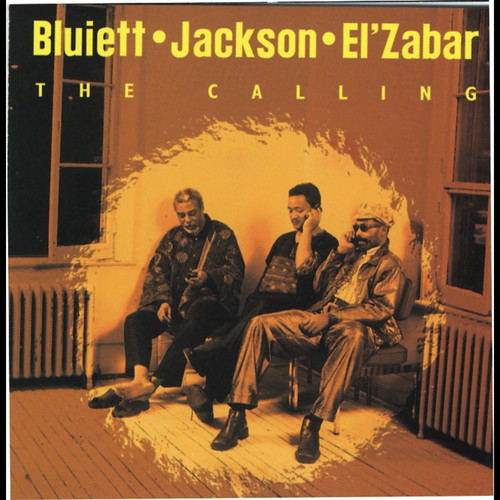
The Calling
Hamiet Bluiett's baritone, D.D. Jackson's piano and organ, Kahil El'Zabar's drums, kalimba and voice. Recorded live in the studio in Montreal in October 2000 with no overdubs, The Calling runs on call-and-response, church organ and blues, with Bluiett switching to wooden flute and contra-alto clarinet.
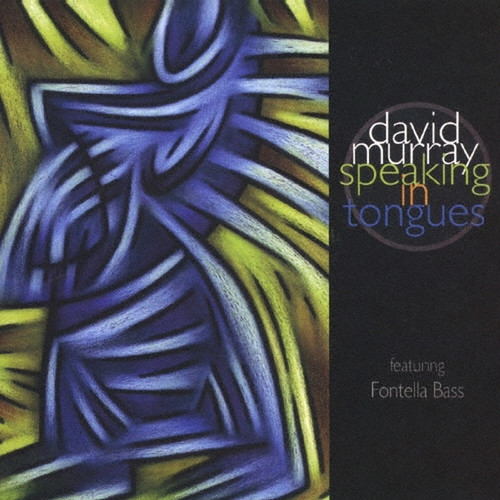
Speaking In Tongues
One day in a Paris studio, December 1997. David Murray goes back to the gospel church of his Berkeley childhood with Fontella Bass, the voice of Rescue Me and the Art Ensemble's Theme de Yoyo, over Hammond B3, electric bass and guitar. Amazing Grace, How I Got Over, and Murray's own twelve-minute Missionary.
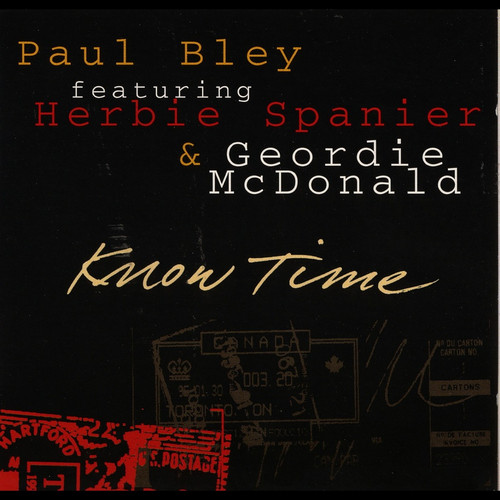
Know Time
Paul Bley and trumpeter Herbie Spanier played free duets in Los Angeles in 1958, around the time Ornette Coleman passed through Bley's band. That music was never documented. In Montreal in August 1993 they tried again, with Geordie McDonald's rack of gongs, shakers and temple blocks. Thirteen short improvisations.
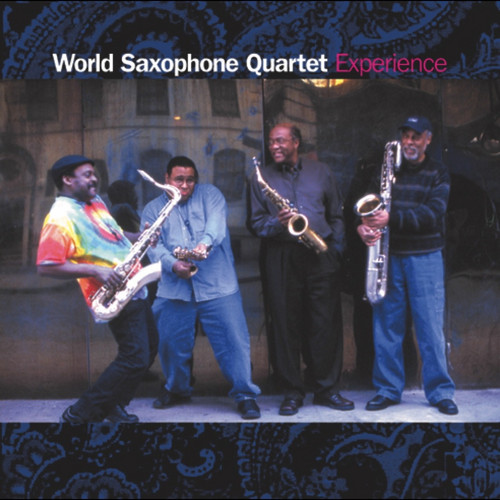
Experience
Eight Jimi Hendrix songs for four saxophones, plus trombone, violin, electric bass and drums. Experience was recorded over three days, 13 to 15 March 2003, and released by Justin Time in 2004.
By then the World Saxophone Quartet had a new fourth voice. Bruce Williams, on alto and soprano, had replaced John Purcell alongside the three founders, Hamiet Bluiett, Oliver Lake and David Murray. For the Hendrix material they brought in a rhythm section: Matthew Garrison on electric bass, Gene Lake (Oli…
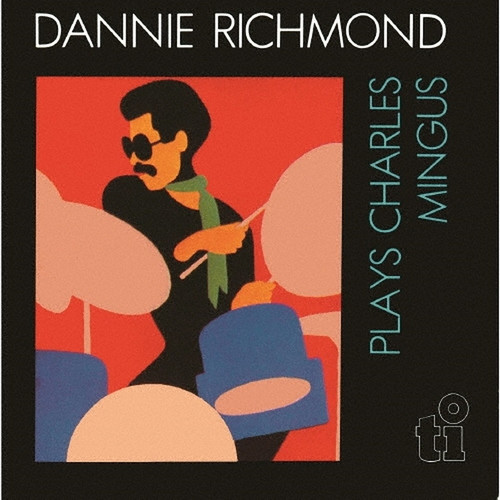
Plays Charles Mingus
Charles Mingus died in January 1979. Nineteen months later, on 18 August 1980, his drummer of more than twenty years took what was left of the last Mingus band into Fonoprint Studio in Bologna and recorded six tunes for the Dutch label Timeless.
Dannie Richmond had rarely led a date. Here he heads the quintet that had backed Mingus at the end: Ricky Ford on tenor, Jack Walrath on trumpet, Bob Neloms on piano, and Cameron Brown in the bass chair the leader had vacated. The record was co-produced …
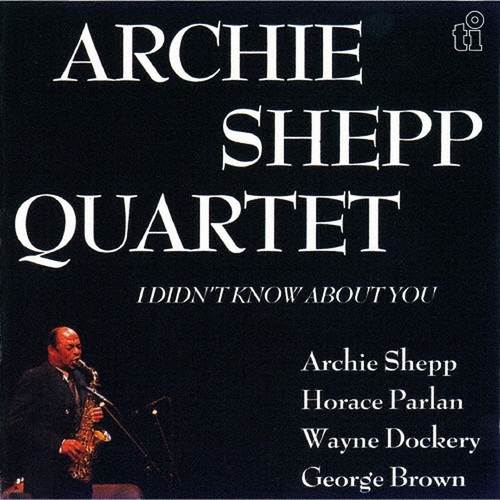
I Didn't Know About You
Munich, Studio Meilhaus, 6 November 1990. Archie Shepp on tenor and alto, singing on three tracks, with Horace Parlan on piano, Wayne Dockery on bass and George Brown on drums. One day of work for the Dutch label Timeless, released the following year.
Shepp and Parlan had recorded the spirituals of Goin' Home and the blues of Trouble in Mind as a duo for SteepleChase in the late 1970s. This quartet session comes out of the same relationship, a decade on, and the material tells you where Shepp wa…
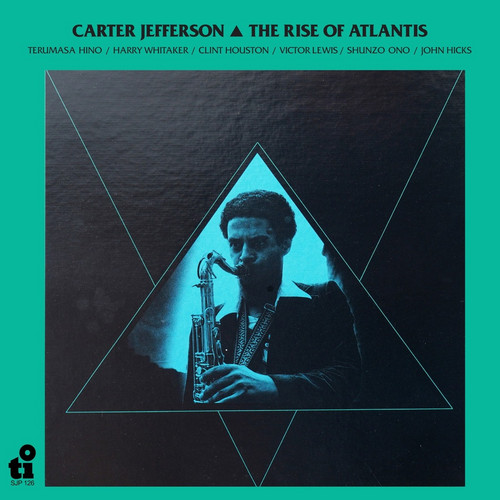
The Rise Of Atlantis
The only album under Carter Jefferson's name, produced by Woody Shaw and recorded in New York over two days in December 1978. Terumasa Hino, Harry Whitaker and Steve Thornton on the first side, Shunzo Ono and John Hicks on the second, Clint Houston and Victor Lewis throughout.
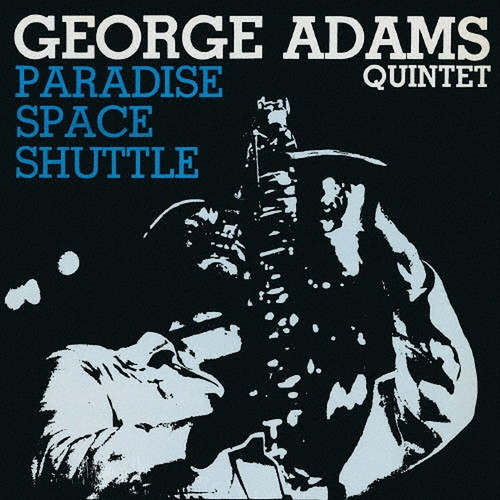
Paradise Space Shuttle
George Adams' first record under his own name for a US audience, cut in one day in New York, 21 December 1979, with Ron Burton, Don Pate, Al Foster and Azzedin Weston. Hard bop, a Sondheim ballad, a Mingus tribute, and the fourteen-minute Funk-a-Roonie Peacock with Adams on flute and voice.
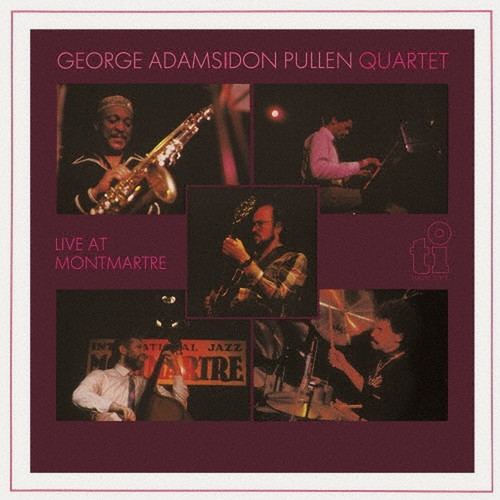
Live At Montmartre
Jazzhus Montmartre, Copenhagen, 4 and 5 April 1985. The George Adams - Don Pullen Quartet with Cameron Brown and Dannie Richmond, and a guest who changes the sound: John Scofield on guitar.
This was the rhythm section of Mingus's Changes One and Changes Two, minus Mingus, and between 1979 and 1989 it was one of the best working bands in jazz. JazzTimes, looking back, wrote that no group before or since bridged avant-garde abandon and gutbucket groove so convincingly, and that everyone who heard …
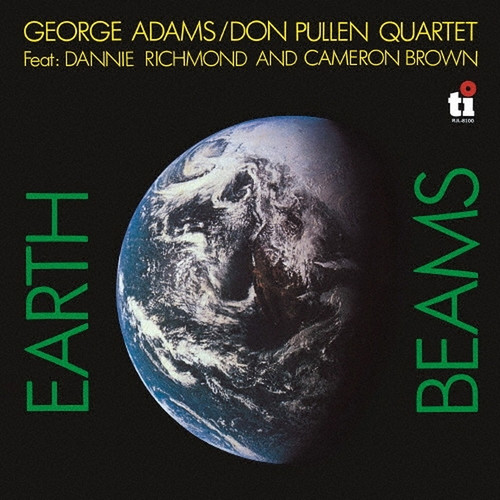
Earth Beams
The first studio album by the George Adams - Don Pullen Quartet, recorded at Fendal Sound Studio in Loenen aan de Vecht, in the Dutch countryside, between 3 and 5 August 1980, and produced by the two leaders themselves for Timeless.
Adams on tenor and flute, Pullen on piano, Cameron Brown on bass, Dannie Richmond on drums. Neil Tesser, in the Playboy Book of Jazz, wrote that the presence of Richmond, Mingus's drummer and protégé for over two decades, made it clear that this band saw itself as ca…
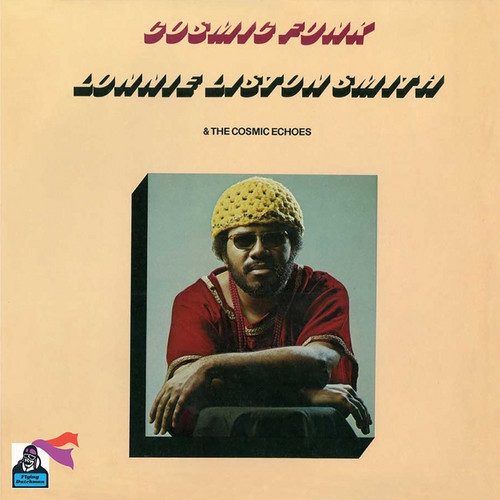
Cosmic Funk
Lonnie Liston Smith's second Flying Dutchman album, April 1974, and the first with the Cosmic Echoes and his brother Donald's voice. Produced by Bob Thiele. Electric piano funk on the title track, Shorter's Footprints, Mtume's Sais, and a sung version of Coltrane's Naima to close.
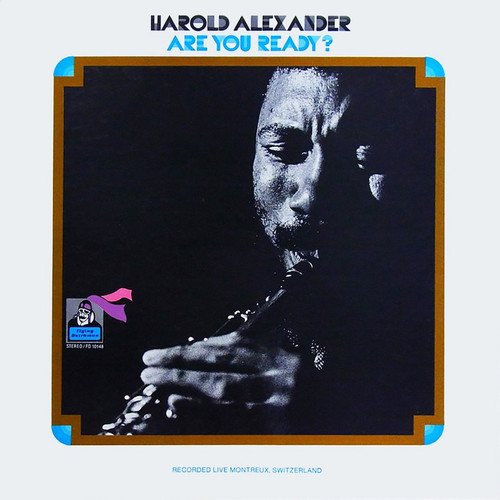
Are You Ready?
Three long tracks, thirty-six minutes, cut live in front of a Montreux crowd. Are You Ready? is Harold Alexander's second and last record for Bob Thiele's Flying Dutchman, released in 1972.
Alexander, from Charlotte, North Carolina, had played with Big John Patton and with Elvin Jones before Thiele signed him. His flute is the main voice here, with soprano saxophone in reserve, and the band around him is the New York session pool of the period: Neal Creque on piano, Cornell Dupree on guitar, Vic…
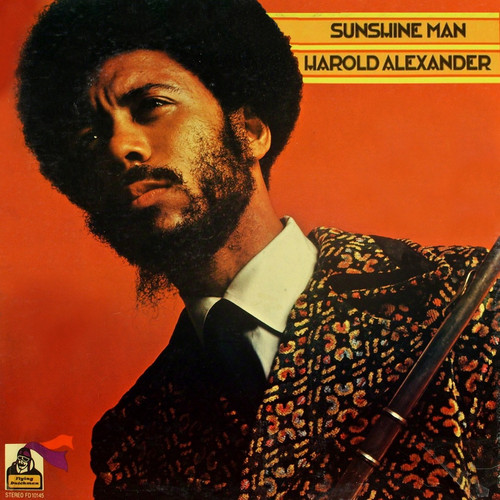
Sunshine Man
Two days in May 1971, produced by Bob Thiele for Flying Dutchman. Harold Alexander on flute and soprano over Neal Creque's electric piano, Richard Davis's bass, Pretty Purdie's drums and Richard Landrum's congas. Contains Mama Soul, the scat-flute track that got him into DJ sets decades later.
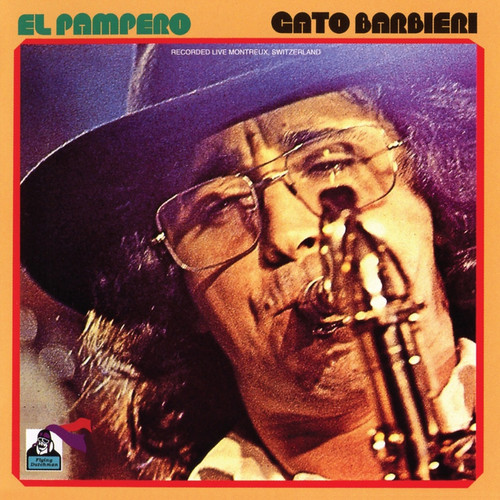
El Pampero
Montreux, 18 June 1971. Gato Barbieri on tenor, Lonnie Liston Smith on piano, Chuck Rainey on electric bass, Bernard Purdie on drums, Sonny Morgan on congas and Naná Vasconcelos on berimbau and percussion. Bob Thiele produced, and Flying Dutchman issued it the same year.
Four pieces and forty-one minutes. The title track, Barbieri's own, runs almost fourteen. Then a Carlos Gardel tango, Mi Buenos Aires Querido, a Brazilian standard, Brasil, and twelve minutes on Atahualpa Yupanqui's El Arriero, …
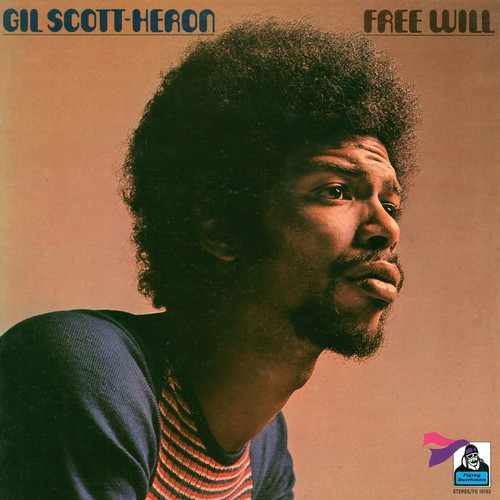
Free Will
Gil Scott-Heron's last album for Flying Dutchman, cut over two days in March 1972 at RCA Studios. One side of songs with Brian Jackson, Hubert Laws, David Spinozza and Pretty Purdie; one side of poems over hand percussion, including No Knock and The King Alfred Plan. Bob Thiele produced.
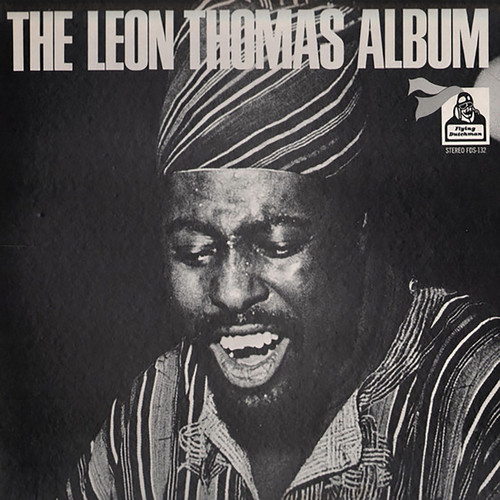
The Leon Thomas Album
Leon Thomas's second album for Bob Thiele's Flying Dutchman, 1970: a horn section arranged by Oliver Nelson, Billy Harper, Howard Johnson, Billy Cobham and Roy Haynes, and two live spiritual jazz pieces, the eleven-minute Um, Um, Um and the side-long Pharoah's Tune (The Journey).
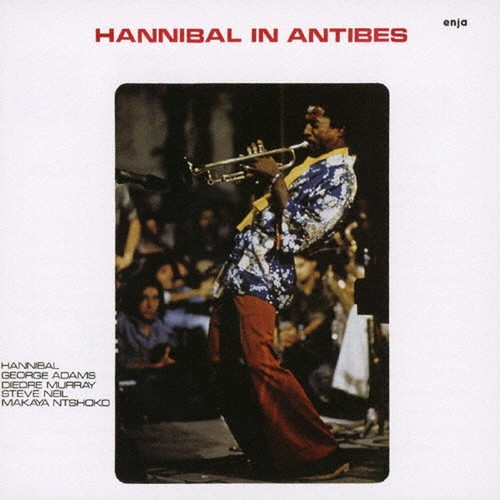
In Antibes
Antibes Jazz Festival, 20 July 1977. Hannibal Marvin Peterson's trumpet, George Adams on tenor and flute, Diedre Murray's cello, Steve Neil on bass, Makaya Ntshoko on drums. Two pieces of about twenty minutes each, Ro and Swing Low Sweet Chariot, recorded for Enja.
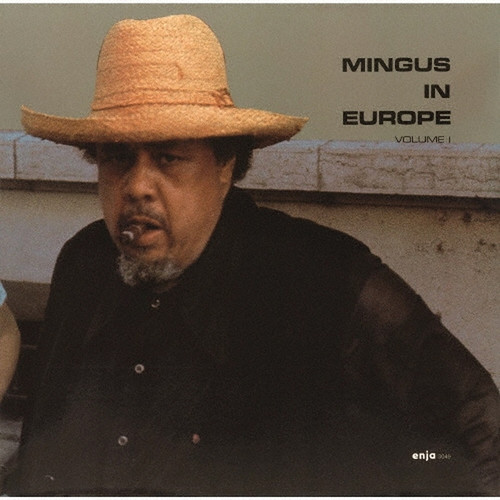
Mingus In Europe Volume I
Wuppertal Stadthalle, 26 April 1964: the Mingus sextet with Eric Dolphy, Clifford Jordan, Jaki Byard and Dannie Richmond, two months before Dolphy's death. A 37-minute Fables of Faubus, the Dolphy-Mingus duet Starting, and Meditations. Issued by Enja in 1980; the CD adds Meditations.