★Sub Rosa
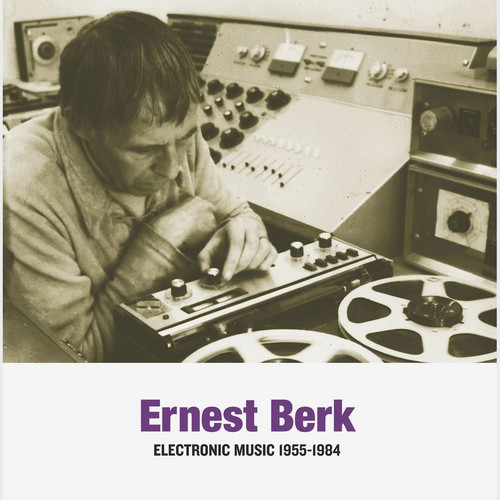
Electronic Music 1955-1984
Anthology of the German-born dancer and choreographer's electronic music for dance, made in his three North London studios: tape loops, kettle-lid percussion, radio interference and generator pulses, in Sub Rosa's Early Electronic series.
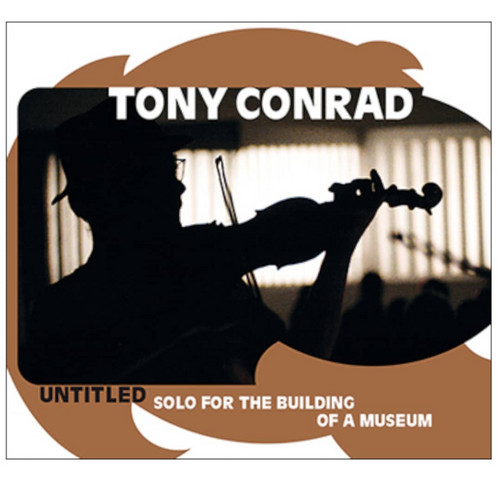
Untitled - Solo for the Building of a Museum
On Untitled (Solo for the Building of a Museum), Tony Conrad stages an unseen encounter between amplified violin and his self-built Long String Instrument. Recorded in 2002 behind a concealing sheet, the performance turns drone, friction and physical resonance into an act of radical listening - music whose hidden actions remain inseparable from its vast, exposed sound.
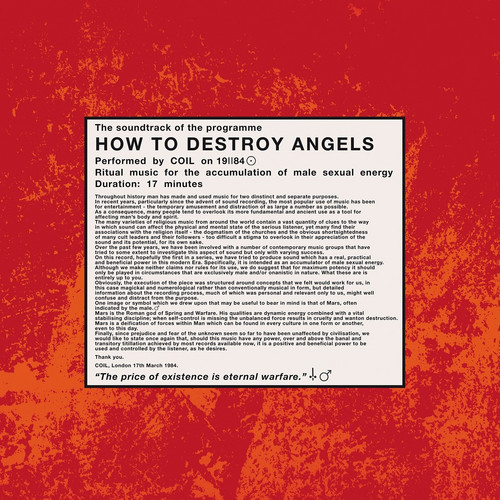
How To Destroy Angels
Ritual music for the accumulation of male sexual energy Throughout history man has made and used music for two distinct and separate purposes. In recent years, particularly since the advent of sound recording, the most popular use of music has been for entertainment - the temporary amusement and distraction of as large a number as possible. As a consequence, many people tend to overlook its more fundamental and ancient use as a tool for affecting man's body and spirit. The many varieties of reli…
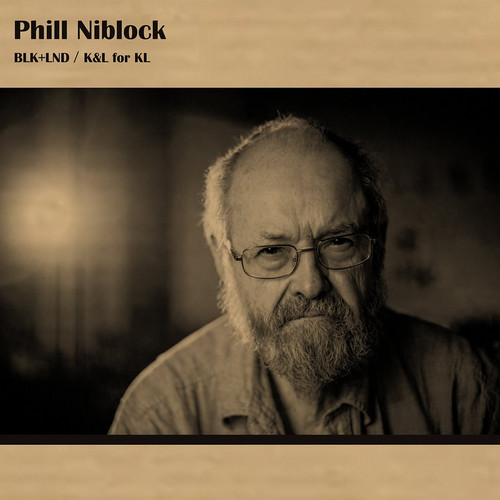
BLK+LND / K&L for KL
Big tip! K&L for KL and BLK+LND bring together two of Phill Niblock's final compositions, conceived by Niblock as companion works and intended to travel together. Released by Sub Rosa, the record preserves a pairing that Niblock himself wanted heard as a whole. In 2022, Niblock asked bass clarinetists Katie Porter, based in New York, and Lucio Capece, based in Berlin, to record K&L for KL, a work for two bass clarinets and electronic playback. Porter and Capece perform together as Phase to Phase…
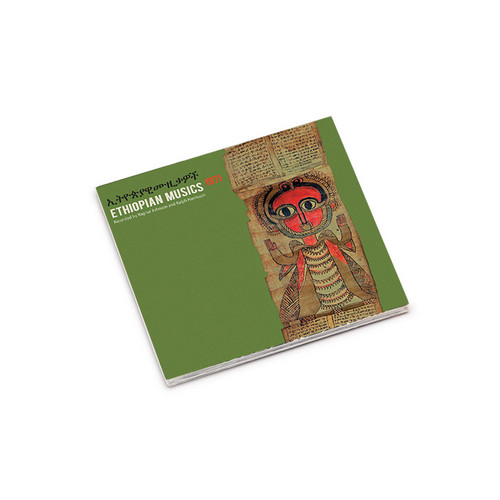
Ethiopian Musics 1971
Taking a slight deviation from the widely celebrated path through experimental sounds that has largely defined their efforts over the years, the venerable Sub Rosa returns with rare and essential dive into the world of ethnomusicology with ‘Ethiopian Musics 1971’, their third release dedicated to the recordings of Ragnar Johnson and the second devoted to the groundbreaking recordings he made in Ethiopia with Ralph Harrisson during the summer of 1971. Belonging to a larger body of recordings dedi…
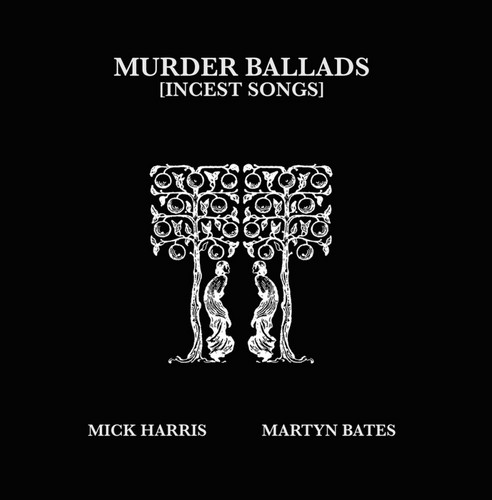
Murder Ballads (Incest Songs)
Incest Songs is the final chapter of the Murder Ballads trilogy, and its most fully realized expression. Where Drift and Passages explored the post-isolationist frame through voice and single instrument, this third volume dispenses with that approach entirely, opening instead onto a more labyrinthine sonic architecture - one built from overlapping, saturating, blurring voices, all of them Martyn Bates'. The decision feels both inevitable and quietly inspired. Bates' vocalizations unfold as layer…
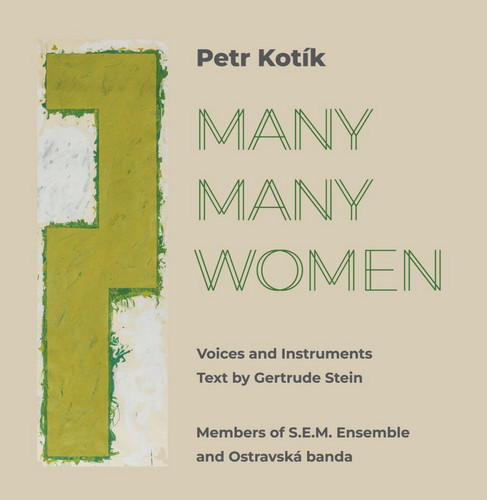
Many Many Women
Many Many Women by Petr Kotík is a large-scale composition for voices and instruments from 1975-78 on the text of Gertrude Stein's novella of the same name. It was published in Paris in 1910 as part of the book G.M.P. - Gertrude, Matisse, Picasso. In 1972, the book was published again by Dick Higgins in his publishing venture Something Else Press. Kotík used the complete text, which determined the length of the piece. Inspired by his close collaboration with the composer and singer Julius Eastma…
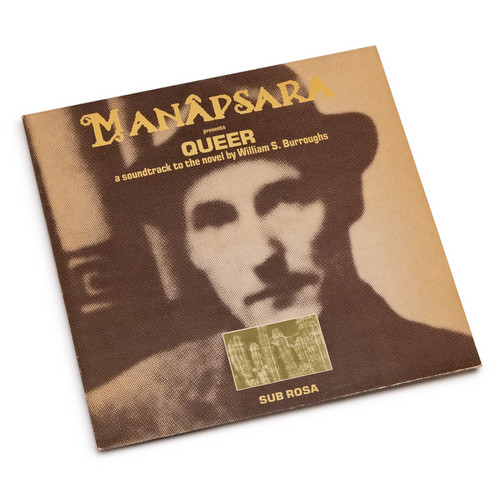
Queer (LP)
Sole album by Belgian electronic duo with the industrial/electronic soundtrack to the William Burroughs novel, released by Sub Rosa in 1988.

Routine (LP)
EP by Belgian electronic duo with dance-y reworkings of the industrial/electronic soundtrack to the William Burroughs novel, released by Sub Rosa in 1988.
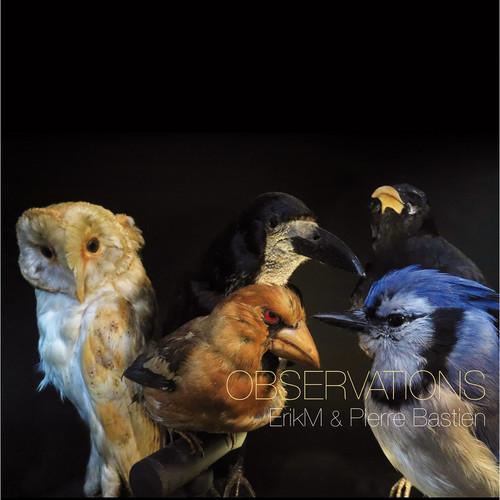
Observations
On Observations, eRikm and Pierre Bastien stage a tightly focused encounter between hacked turntables and mechanical orchestra, sculpting trance‑like, Dubuffet‑dirty rhythms and razor‑sharp details from one hyper‑attentive night in Brussels.
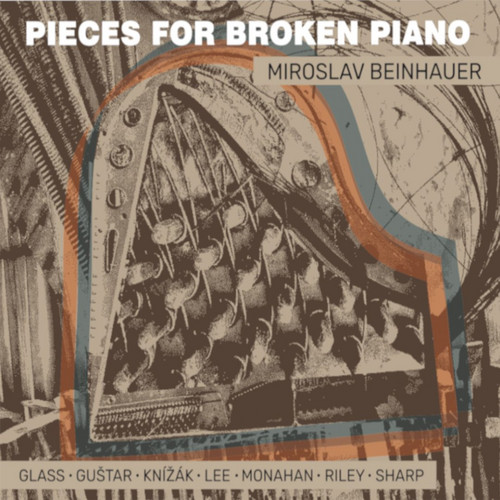
Pieces For Broken Piano
Pieces for Broken Piano turns a weather‑wrecked 1916 Gebrüder Stingl grand into an accidental “prepared” instrument, as Miroslav Beinhauer navigates new works by Terry Riley, Philip Glass, Milan Knížák, Gordon Monahan, Elliott Sharp, Milan Gustar and Yoon‑Ji Lee written specifically for its fractured voice.
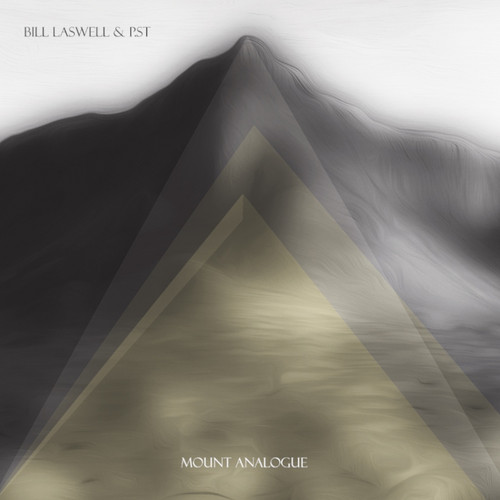
Mount Analogue
On Mount Analogue, Bill Laswell and P.ST assemble an international cast to translate René Daumal’s unfinished mountain allegory into a two‑records sonic ascent: a six‑part electro‑acoustic “novel” and a mirrored peak of solo guitar visions from Henry Kaiser, refracted through Jodorowsky’s The Holy Mountain.
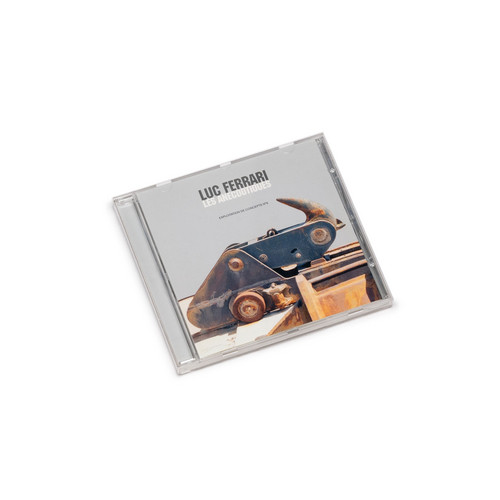
Les Anecdotiques (CD)
2004 CD-only release on Sub Rosa of the evocative 2002 radio piece composed using recordings made during trips.
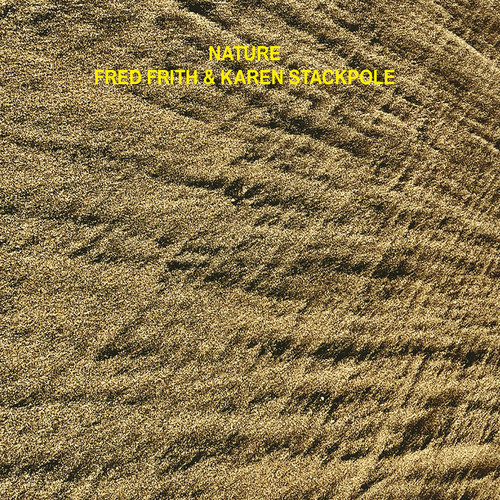
Nature
"I have been fascinated by the sound and potential of gongs since I first heard Stockhausen's Mikrophonie 1 in the late 1960s. When I moved to Oakland in 1999 I discovered the work of Karen Stackpole, one of the few percussionists in the world specializing entirely in gongs, and attended several of her performances. I always tried to imagine how I could combine my own sonic vocabulary with her incredibly rich array, and we enthusiastically agreed to a musical meeting which somehow kept being pos…
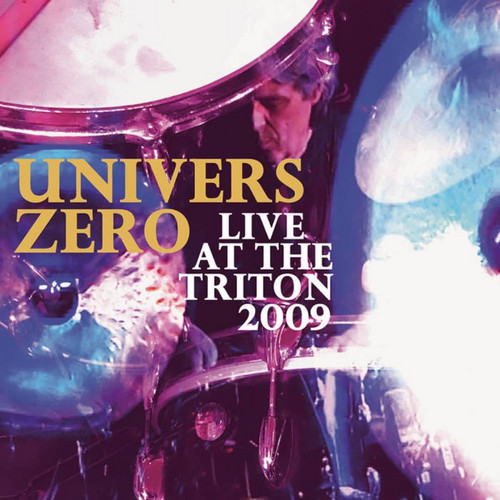
Live at Triton 2009
In 2009, the Triton venue (near Paris, France) was sold out to celebrate the 35th anniversary of Univers Zéro, an iconic band of the Rock In Opposition movement. These two exceptional concerts highlighted a radical and unique style of music, at the crossroads of new music and chamber rock, skilfully blending acoustic and electric instruments, as heard on the cult album 'Ceux du Dehors'.

L'Ymage
*300 copies limited edition* Ars nova meets dark folk, aural cinema, contemporary music, drone and much more... An astonishing album gathering three extended pieces that unfold the works of medieval musical genius Guillaume de Machaut, the greatest and last of the troubadours. Lovingly recorded by sound master Frederic Alstadt, featuring Clara Levy, Stéphane Clor & Eugénie De Mey, this album captures all the poignancy and poetry, of this timeless music. A passionate performance by virtuosic musi…
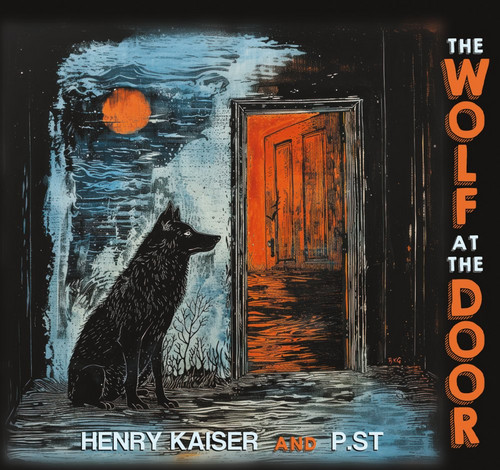
The Wolf at the Door
That Wolf At The Door is a collaborative 2 CD between Henry Kaiser (Califonia, USA; guitar) and P.ST (Prague, Czechia; electronics). The first CD That Wolf At The Door is a solo baritone guitar disc that pays a heartfelt tribute to the late science fiction author Gene Wolfe (May 7, 1931 - April 14, 2019). The album is a testament to the decades-long friendship and mutual appreciation between Wolfe and Kaiser, two creative minds who shared a passion for pushing the boundaries of their respective …
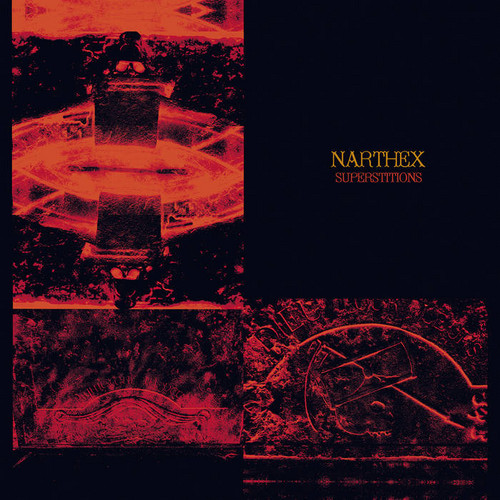
Superstitions
Often dark, sometimes repetitive or experimental, sometimes rhythmical and exotic, always based on emotion inducted by the Sound. One could define it as dark age music (as opposite to new age music), a sort of minimal come back to the roots and purity of acoustic sound without the cultural background linked to the 'academic' use of some instruments (for example African senzas are transformed and tuned to sound like Indonesian instruments, sitar or harmonium are used as rhythmical instruments, va…
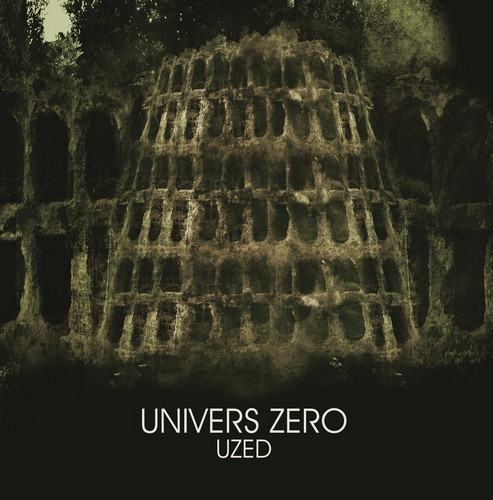
Uzed
The fourth Univers Zero album (1984) and a turning point: the Belgian chamber-rock group plug in, adding synthesizer, electric cello and a heavier, almost rock-leaning attack to their dark instrumental world. Composed and arranged by founder Daniel Denis, remastered in 2024 for greater depth and dynamics.
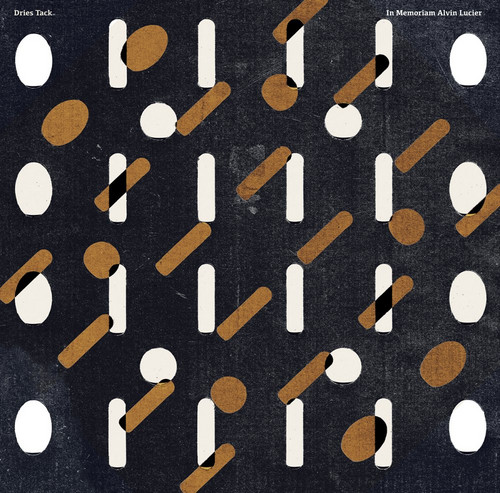
In Memoriam Alvin Lucier
The influence of Alvin Lucier’s work on acoustic phenomena and the interplay between sound and space is difficult to overstate. His legacy continues to echo through the work of countless composers and sound artists today. Lucier’s music is marked by a sense of childlike wonder and sonic simplicity - shifting our perception from what we hear to how we listen.At the heart of his compositions lies the sine wave: the purest, most elemental form of sound. Clarinetist Dries Tack pays tribute to this …