** Edition of 208 ** Bauke Meersman introduces a musician intent on letting sound speak in close‑up. Released by DHM Records, the self‑titled album feels less like a calling card and more like a room you’re invited to enter: a space where phrasing, grain and silence are treated with the same attention as notes and chords. Throughout, Meersman plays with a calm intensity that suggests deep listening as a core part of his practice - listening to the instrument under his hands, to the air in the room, and to how each gesture will carry once it leaves the studio.
The record’s two sides are subtly distinguished by the way they were captured. Tracks A1–A5 were recorded and mixed by Dante Vanquaethem, whose approach gives side A an immediate, almost hand‑held feel: you can sense proximity, the closeness of microphone to source, the slight roughness that comes from leaving small imperfections in place. On side B (tracks B1–B5), Lander Van den Bulcke takes over recording and mixing duties, opening the sound out into a slightly different perspective - perhaps a touch more air around the instruments, a sense of the room stretching a little wider, details floating a fraction further from the listener’s ear. The shift is gentle but telling, like moving from one vantage point to another within the same landscape.
Mastering by Jonas Nyaarr binds these vantage points into a coherent whole. His work keeps dynamics alive and the frequency spectrum natural, so that the record breathes at both low and high volume. Quiet passages retain their intimacy without disappearing; denser sections remain articulate rather than flattening into glare. The result is an album that rewards good speakers or headphones, not because it is showy in its sonics, but because so much of its character resides in low‑level detail - the way resonance blooms, the way decay trails off, the subtle relationship between direct sound and its reflections.
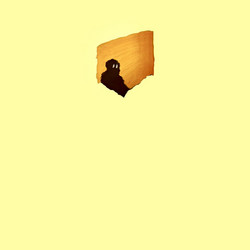
Visually, Bauke Meersman is framed with the same understated care. Artwork by Vera Vryens sets the tone before the needle even drops, offering an image that feels more like an atmosphere than an illustration: something you inhabit rather than decode. Annick Laurijssens’s photography adds another layer of context, whether through portraits, interiors or fragments of environment that hint at the conditions in which this music was made. Together, the visual elements avoid explaining the record and instead echo its quiet, attentive mood.