Alfaluna
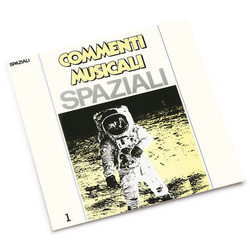
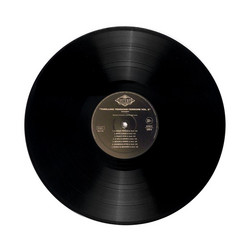
Spaziali - Suoni Dal Futuro (Musiche Per La Scienza E Per La Tecnica)... Vol. 2
In the constellation of Italian library music, where male names dominate the firmament, Alfaluna emerges as one of those rare female presences who dared to claim space in the electronic frontier. Originally conceived in the early 1980s as soundtracks for TV specials about space, aliens, and other cosmic thrills, these compositions represent a crucial yet overlooked chapter in the history of women in electronic music.
While Delia Derbyshire was pioneering electronic soundscapes at the BBC Radiophonic Workshop, and Daphne Oram was developing her Oramics system in Britain, Italy had its own female electronic visionaries working in relative obscurity. The country boasted pioneers like Teresa Rampazzi and Serenella Marega, who as part of the Nuove Proposte Sonore collective formed "an exclusive, all-female electronic sound research body", paralleling the work happening in other European studios.
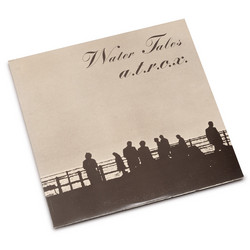
Alfaluna's Spaziali albums stand as testament to this hidden history. The songs included are described as "true masterpieces of esoteric electronic music with heady hints of krautrock, electro-ambient and spacey suites à la Tangerine Dream", yet they possess a distinctly Italian sensibility that sets them apart from their German counterparts. Working within the library music system, traditionally dominated by male composers and producers, Alfaluna created soundscapes that range from crystalline digital electro-ambient to alien kosmische themes, from the optimistic voyage of "Viaggio Nell'Universo" to the pitch-black ambient terror of "Pianeti Del Mistero."
As noted in studies of Italian library music: "Contrary to the cock-rock family trees that the male-orientated music industry has planted around us, the lost cultivar of library music and its research reveals new roots and tangled branches, casting a totally different, less patriarchal picture". Alfaluna's work exemplifies this alternative narrative, where women weren't merely background figures but active creators of futuristic soundscapes.
The technical mastery evident in these compositions rivals any of her male contemporaries. Like Derbyshire, who painstakingly constructed the Doctor Who theme using tape manipulation and primitive oscillators, Alfaluna crafted complex electronic architectures that still sound remarkably contemporary. Her work on Spaziali Vol. 2 demonstrates not just competence but vision: the ability to imagine sonic futures that television audiences of the 1980s had yet to dream.
This was a time when "the draconian notion that 'behind every strong man there is a strong woman' couldn't be better exemplified than within the Italian library music anti-industry". Yet Alfaluna wasn't behind anyone; she was creating her own cosmic territories, mapping alien worlds through synthesizers and sequencers with the same pioneering spirit that drove her better-documented sisters in electronic music.