Shylock
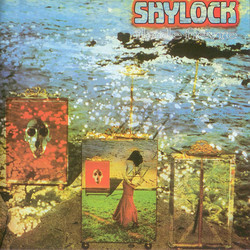
Île De Fièvre
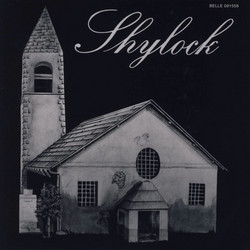
Second and final album from the Nice-based progressive rock trio-turned-quartet, and widely considered their absolute masterpiece. Produced by CBS in 1978, Île de Fièvre finds Shylock expanding both their lineup and their sonic ambitions, pushing deeper into jazz-rock fusion territory while retaining the dark, Crimsonian edge that defined their cult debut.
Now a four-piece with the addition of bassist Serge Summa, the band - Frédéric L'Épée (guitar), Didier Lustig (keyboards), André Fisichella (drums/percussion) - recorded at Aquarius Studio in Geneva with engineer Jean Ristori, mixed through an Aphex Aural Exciter System. The budget jump from their indie debut is audible: fuller arrangements, more confident performances, a professional sheen absent from Gialorgues.
The 13-minute title track alone is worth the price of admission - an epic journey through shifting dynamics, fluent Minimoog lines, and soaring guitar leads that ranks among the finest French progressive compositions of the decade. "Sang des Capucines" delves into improvised Wetton-era Crimson territory. The short "Choral" offers a synthesized choir interlude before "Himogène" unleashes Weather Report-influenced fusion with Jamie Muir-style percussion. Closing epic "Laocksetal" is the album's most aggressive piece - guitar-driven riffs interrupted by martial sections, culminating in a nightmarish synth festival over layers of Mellotron.
CBS dropped the band shortly after release, demanding shorter, more commercial material with vocals. The group splintered over creative differences - L'Épée and Lustig wanting to stay progressive, Fisichella and Summa leaning toward accessible jazz-funk. They never recorded again.
The jazz-fusion elements proved too radical for 1978 audiences expecting another Gialorgues, but from a modern perspective this album stands as equally enthralling - perhaps more so. The influence of Shylock's two-album run echoes through Änglagård, Xaal, Minimum Vital, Tiemko, and the entire Nordic prog revival of the 1990s.