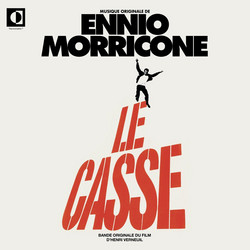
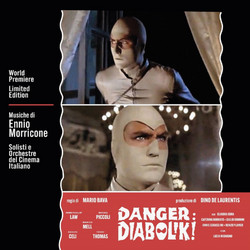
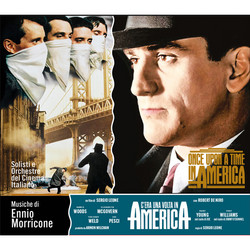
*Limited and Numbered edition.* Composed in 1967 for Pasquale Festa Campanile’s anti‑war comedy‑drama La ragazza e il generale (The Girl and the General), Ennio Morricone’s score occupies a fascinating place in his 1960s filmography. Set during the First World War and starring Rod Steiger, Virna Lisi and Umberto Orsini, the film follows an unlikely trio thrown together by circumstance, using humour and human detail to undermine the pomp of war. Morricone responds with music that constantly plays on that tension: martial rhythms and fanfare‑like motifs appear, but they are repeatedly subverted by lyrical themes, folkish turns and moments of almost slapstick lightness.
The main title cue, “La ragazza e il generale”, establishes the score’s double nature: a memorable melody, at once jaunty and slightly wistful, carried by orchestra with touches of brass and woodwind that hint at both romance and marching‑band pastiche. Throughout the soundtrack, Morricone develops a small constellation of themes. “Ti xe el più bel” introduces a quasi‑folk song element, often heard with chorus, that evokes regional colour and everyday life intruding on military absurdity. Other cues such as “L’uovo”, “La ragazza e il soldato” and “The Mine Field” (in later English‑language track listings) move between suspense, gentle comedy and moments of genuine tenderness, using changes in orchestration and harmony to mirror the film’s shifts in mood.
What distinguishes the score is the finesse with which Morricone navigates these contrasts. March‑like figures are often undercut by unexpected chords or woodwind flourishes that introduce an element of doubt; lyrical strings might be interrupted by a brusque rhythmic figure, as if reality were intruding on reverie. Choral passages and simple, vocal‑style melodies suggest the presence of ordinary people within the machinery of war, reinforcing the film’s anti‑heroic stance. At the same time, Morricone’s orchestrations are as imaginative as ever: delicate use of flute, muted brass, percussion and occasional guitar colours the cues, ensuring that even the lightest moments have depth.
For many years, the music to La ragazza e il generale was known only in excerpts, scattered across compilations or heard faintly beneath dialogue. Recent dedicated soundtrack editions, including re‑recordings by ensembles like I Solisti e Orchestre del Cinema Italiano and a premiere release of original tracks on labels such as Dragon’s Domain and Recording Arts, have finally allowed the score to be appreciated on its own terms. These releases present the full sequence of cues, restored and remastered, revealing thematic connections and orchestral detail previously obscured. In this form, La ragazza e il generale can be heard as a compact but richly nuanced work, one that showcases Morricone’s ability to hold irony, compassion and craft in delicate balance.