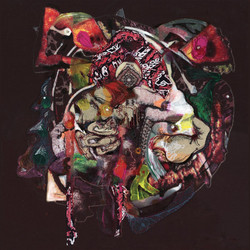
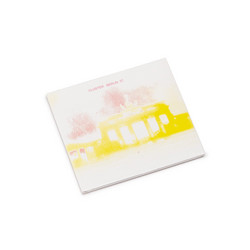
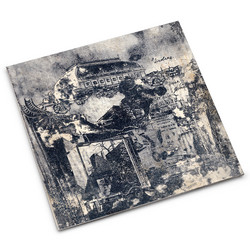
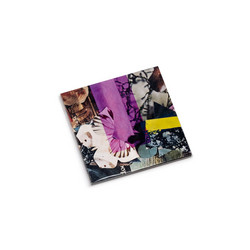
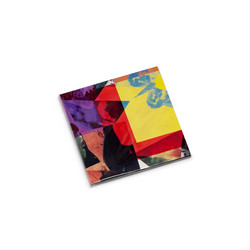
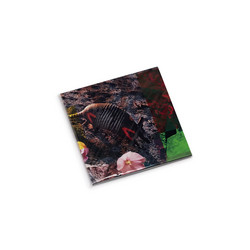
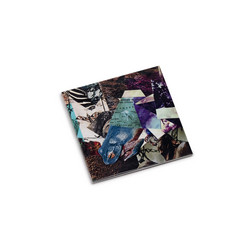
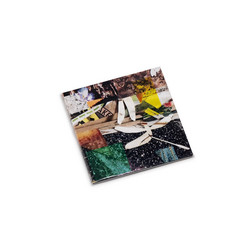
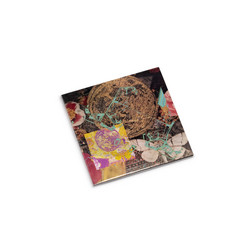
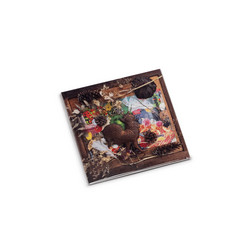
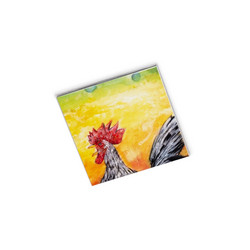
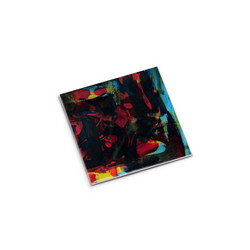
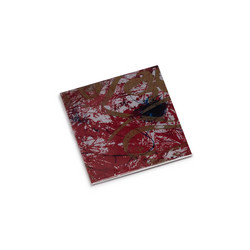
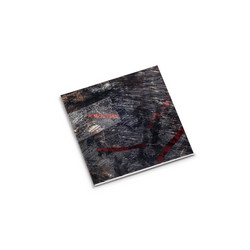
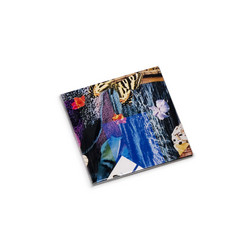
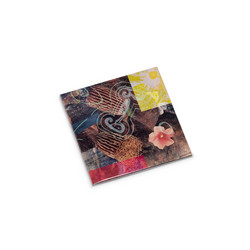
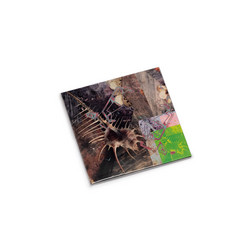
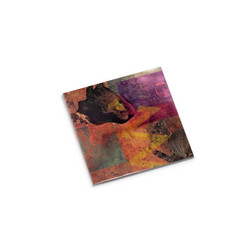
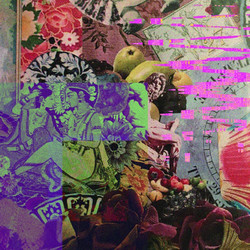
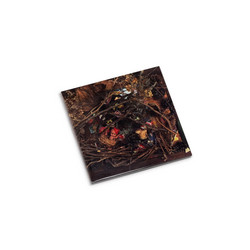
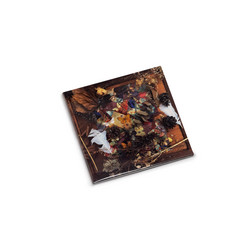
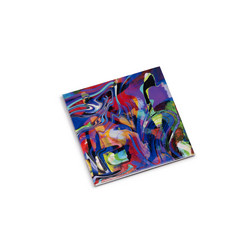
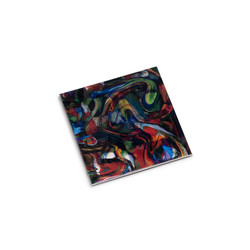
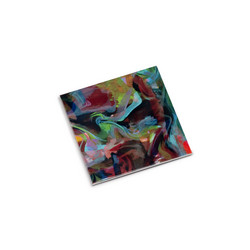
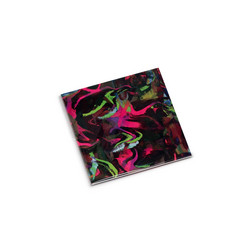
Sparrow Color 1 marks a significant departure in Merzbow's methodology - a rare instance of Masami Akita returning to keyboard-controlled synthesis after decades of predominantly laptop-based and analog noise production. Here, he employs a carefully curated arsenal of classic instruments: the legendary EMS SYNTHI 'A' (beloved by everyone from Brian Eno to Pink Floyd), the Moog Mother 32, and Behringer Model D, all manipulated via a Korg Monologue keyboard controller.
This configuration yields results that feel simultaneously vintage and forward-looking, drawing on the rich timbral possibilities of classic analog synthesis while filtering them through Akita's singular vision. The keyboard interface introduces an element of traditional musicianship unusual in Merzbow's catalog - pitch relationships and melodic fragments emerge from the noise, creating moments of unexpected lyricism amid the harshness.
The album reflects lessons absorbed from recent cross-genre collaborations, suggesting new pathways through familiar territory. The "Sparrow Color" title continues Akita's ornithological preoccupations—birds appearing throughout his work as symbols of freedom, fragility, and natural beauty threatened by human cruelty. The sparrow, common yet overlooked, mirrors the humble synthesizer transformed into instrument of profound expression.