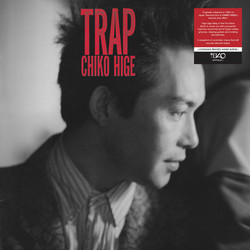
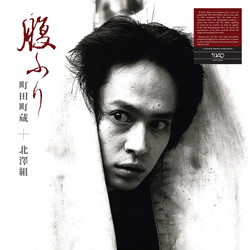
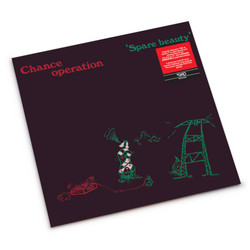
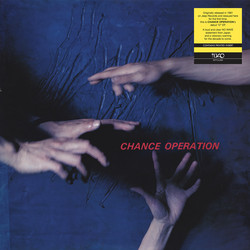
Various
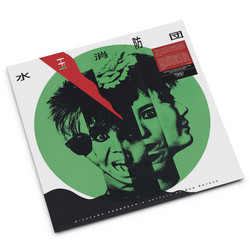
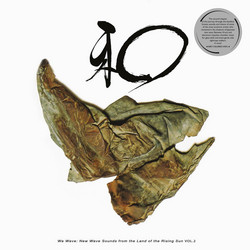
Wa Wave: New Wave Sounds from the Land of the Rising Sun vol. 1 (LP, Red)
Label: Spittle Made In Japan, Mawaru Recordings
Format: LP
Genre: Experimental
In process of stocking: On backorder: usually ships within a few days.
Wa Wave: New Wave Sounds from the Land of the Rising Sun vol. 1 arrives like a message in a bottle from a parallel 1980s - one where Japan’s strangest, most fiercely independent bands never left the realm of tiny pressings and flexi‑only singles. Compiled from the repertoires of groups whose recorded output is often limited to a single hard‑to‑find release, this LP on Mawaru Recordings functions less as a sampler and more as an act of excavation. Rather than revisiting the canon of Japanese New Wave, it dives into the obscure end of the pool, pulling up tracks that have existed for decades in private collections, fanzine lore and half‑remembered live reports. The result is a compact but potent survey of an underground where “new wave” meant anything but a fixed style: these artists treat it as an excuse to collide punk energy, minimal electronics, art‑rock awkwardness and avant‑garde attitude into something stubbornly unclassifiable.
The compilation’s title is precise. “Wa” is Japan, but it also hints at harmony and circularity, while “Wave” nods to both New Wave and the literal waves of sound that connect these disparate projects. Across its sides, Wa Wave moves fluidly between jagged No Wave‑inflected bursts, stripped‑down 80s art‑rock and icy, minimalist synth constructions. You can hear the broader Japanese New Wave DNA - the experimentalism that folded punk, funk, jazz and electronics into a single nervous system - but the focus here is on artists who operated far from major‑label attention, closer in spirit to Xeroxed flyers and improvised practice spaces than to the polished futurism of Yellow Magic Orchestra or Plastics. Hooks appear and vanish quickly, guitars scrape and stutter, drum machines tick with lethal simplicity, and synths sketch out melodies that feel both fragile and quietly menacing.
Part of the compilation’s power lies in how it foregrounds necessity over nostalgia. These tracks don’t sound like retro genre exercises; they are artefacts of a moment when cheap electronics, home‑studio ingenuity and a rapidly mutating youth culture made it possible for small bands to carve out their own aesthetic niches. The selections highlight artists who “harnessed the waves of expression, extracting its most mystical and expressionist essence,” channelling personal obsessions rather than chasing scenes. There’s a strong sense of space throughout: arrangements tend toward the economical and skeletal, leaving room for odd details - a skewed vocal inflection, a detuned synth line, a sudden harmonic left turn - to register with almost shocking clarity. File‑under tags like No Wave, art‑rock and 80s only hint at what’s going on; the real pleasure is in the ways these pieces slip between categories.