Various
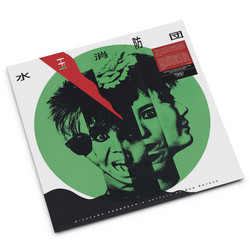
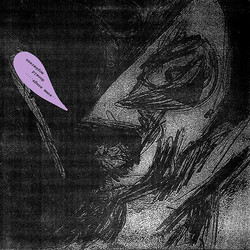
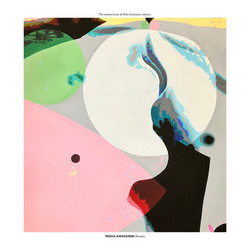
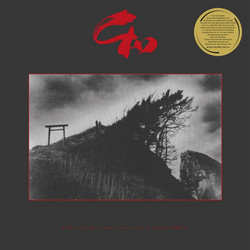
Wa Wave: New Wave Sounds from the Land of the Rising Sun vol. 2 (LP, Green)
Wa Wave: New Wave Sounds from the Land of the Rising Sun vol. 2 opens the next chapter in Mawaru Recordings’ excavation of Japan’s most elusive New Wave shadows. Where the first volume mapped out a jagged panorama of off‑kilter post‑punk and skeletal electronics, this second instalment dives even further into the bamboo thicket, tracing sounds and visions from some of the era’s most eccentric and under‑documented outfits. These are bands that largely lived on tiny runs of 7‑inches, flexi‑discs, and compilation cameos; for many of them, a single release is the entire recorded footprint. Collected here on grey vinyl, they reappear not as curiosities but as living fragments of a scene that was constantly mutating at the intersection of punk’s DIY ethos, art‑school experimentation and a growing fascination with machines.
The guiding thread this time is the way Japanese New Wave splintered when it encountered both European influences and local idiosyncrasies. The description of the compilation as a journey “between Kraut and electronic impulses, chamber music for glass dolls and avant‑garde club tightrope walkers” is no poetic exaggeration. Across its two sides, Wa Wave vol. 2 moves from motorik‑leaning repetition and primitivist drum‑machine throb to delicate, near‑silent arrangements where synths and toy‑like instrumentation sketch out melodies with a brittle, doll‑house precision. There are moments that feel like private soundtracks to imaginary films, others that could almost pass for skeletal club tracks if you dropped them into a dark enough room. Beats, synth, pop and New Wave all surface in the tracklist, but none of those tags quite manages to pin down what’s happening; each cut sounds as if it’s trying to invent its own micro‑genre on the spot.
One of the joys of the set is the way it gives context to names that, until now, have floated through discogs pages and fan blogs with little audible proof attached. Side A opens, for instance, with 栄養 Boys (Eiyō Boys, “Nutrient Boys”), represented by “Blood Sunday” and “Bad Man,” lifted from their 1982 single of the same name. Heard here, their wiry, punchy songs snap into focus as crucial pieces of the puzzle: jittery rhythms, nervy vocals and a sense of tightly wound tension that perfectly embodies the Japanese underground’s take on new wave urgency. Elsewhere, other groups pull the compilation toward more abstract zones, leaning into minimal synth pulse, brittle guitar figures or oddly stately, almost chamber‑like structures that make the phrase “music for glass dolls” feel literal. What ties it all together is a shared willingness to sit just to the left of whatever the moment’s trends dictated, to treat the tools of the time - cheap synthesizers, primitive sequencers, drum machines – as a playground rather than a script.