Reissues
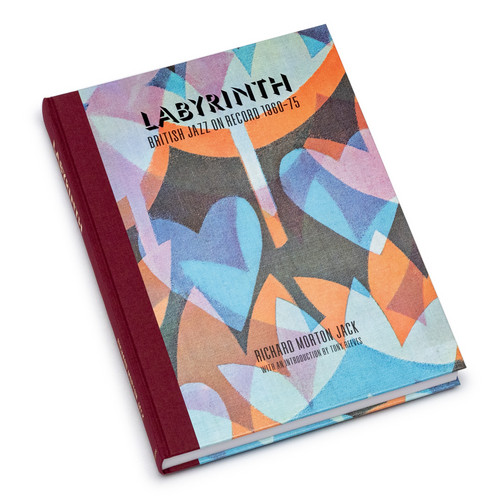
Labyrinth: British Jazz On Record 1960-75 (Book)
Limited edition hardback, quarter-bound in cloth, 372pp. Labyrinth is a massive hardback book, 375pp in length, printed on high-quality art paper, with an embossed cover and cloth quarter-binding, written by Richard Morton Jack. This beautiful, limited edition hardback is the most comprehensive overview of the subject ever published. It celebrates over three hundred albums, offering detailed background info about each, alongside excerpts from original reviews and masses of high-quality images th…
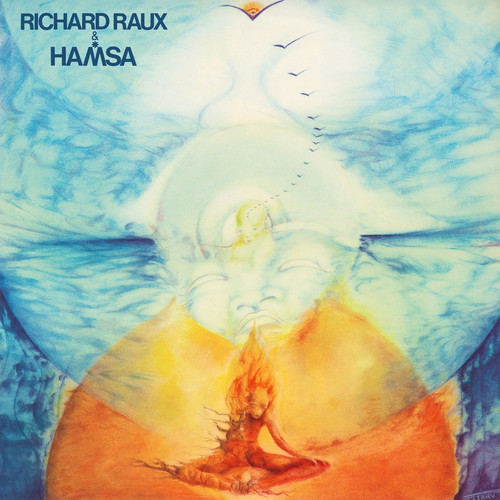
Richard Raux & Hamsa
Richard Raux's band after Magma, recorded at the Château d'Hérouville in 1974: spiritual jazz, progressive rock and Malagasy rhythms, with his brother Patrice on guitar. Restored and remastered for Souffle Continu's 100th release.

Music For Black Pigeons
** 2026 limited edition double vinyl with the original cover by Tal R. ** After 14 years of filming/recording some of today’s most influential musicians, the music from Andreas Koefoed’s and Jørgen Leth’s celebrated film “Music For Black Pigeons” is now available for the first time (vinyl only). The soundtrack is based on compositions by Jakob Bro, performed by Bill Frisell, Lee Konitz, Craig Taborn, Paul Motian, Andrew Cyrille, Arve Henriksen, Midori Takada and many others.
Venice Film Festival…
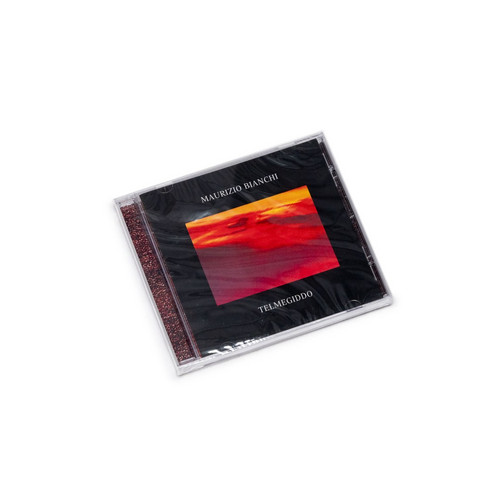
Telmegiddo
Telmegiddo, recorded in February 1983 at the Mectpyo Studio, was Maurizio Bianchi's last tape decomposition before his long hiatus. Mercium reissues it on CD, remastered: two parts of about 25 minutes.
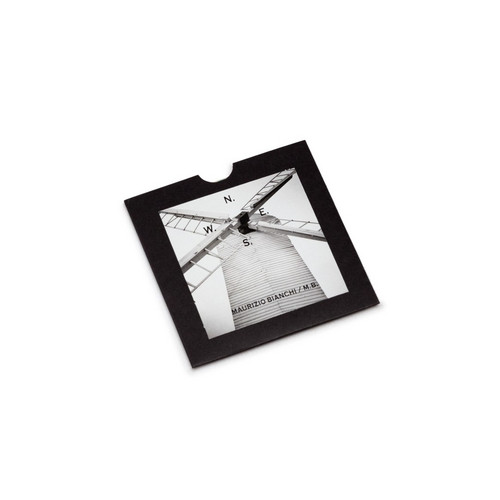
N.E.S.W.
Maurizio Bianchi's N.E.S.W. (Negativity-Enmity-Spurn-Worse), first issued by Lona Records in 2014, back on CDr: four long tracks that rotate the points of the compass, almost seventy minutes. 30 copies.
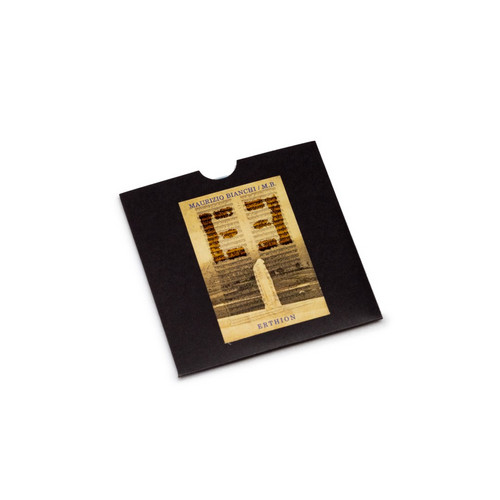
Erthion
Maurizio Bianchi's Erthion, first issued by Young Girls Records in 2010, back on CDr: eight tracks titled after verses of the biblical Lamentations, about an hour, mastered by Pharmakustik. 30 copies with mini poster.
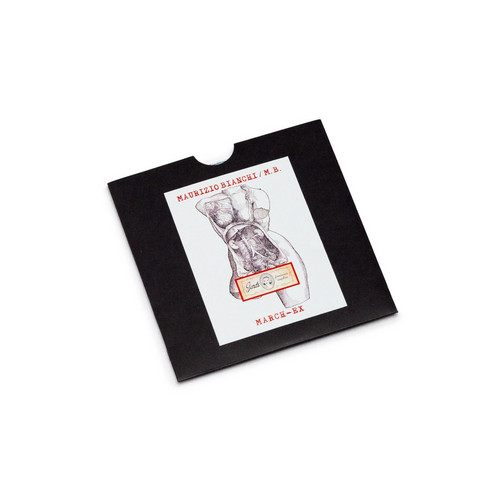
March-Ex
Maurizio Bianchi's March-Ex, first issued by Lona Records in 2009, back on CDr from BeTon Raw: five tracks, about an hour, with the voice of Yoko Ishimoto Kamimura and mastering by Siegmar Fricke. 30 copies.
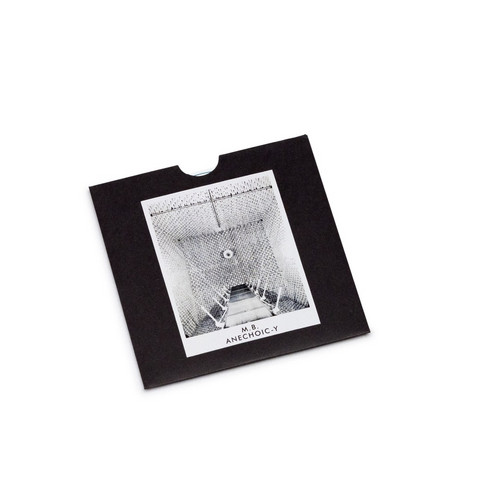
Anechoic-Y
Two sixteen-minute pieces of anenoises and choictronics recorded by Maurizio Bianchi as M.B. in 2017 at the Emoptyc studio in Opera, with artwork built on photos of anechoic chambers. 30 copies on BeTon Raw.
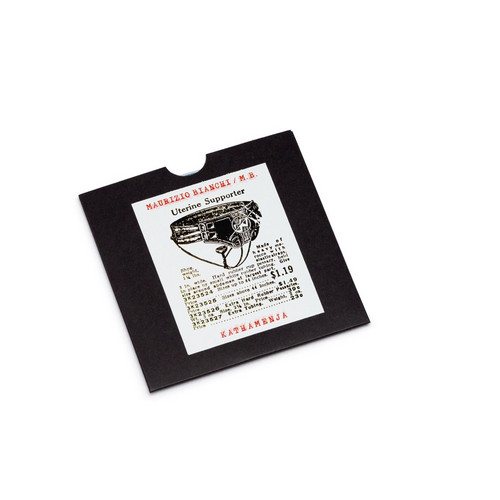
Kathamenja
Maurizio Bianchi's Kathamenja, first issued by Lona Records in 2011, back on CDr from BeTon Raw: five tracks, close to seventy minutes, with the original preface printed in the package. 30 copies.
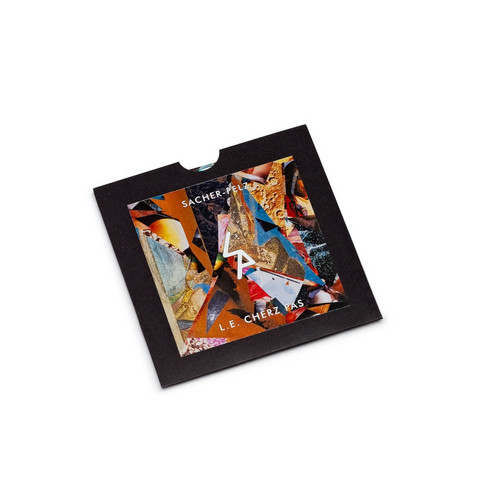
L.E. Cherz Pas
Sacher-Pelz, the 1979 solo project that preceded M.B., in a CDr reissue of L.E. Cherz Pas, first out on TIBProd. in 2010: four long pieces, about an hour of music. 30 copies in a black envelope.

Carcimetrio
Maurizio Bianchi's Carcimetrio, first issued by Simple Logic in 2006, back on CDr: four long pieces named after tumours and growths, over seventy minutes, mastered by Siegmar Fricke. 30 copies.
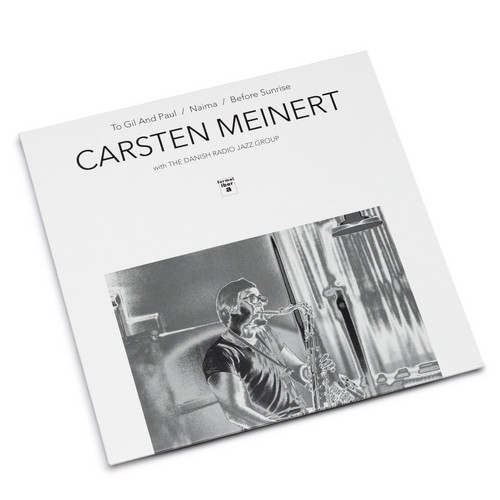
Carsten Meinert / C.M. MusicTrain
Unreleased recordings by Danish tenor saxophonist Carsten Meinert, with the Danish Radio Jazz Group on side A and his C.M. MusicTrain on side B, Coltrane-rooted fire with Ole Matthiessen and Pierre Dørge. Liner notes by Mats Gustafsson.

Morsi Cu Morsi
Rosa Balisteri was one of the brightest stars on the Italian folk scene of the 1960s and 1970s, certainly far too little known given her talent and expressive power. Her life story is marked by a tormented nature, punctuated as it is by traumas, anguish, injustices, and wounds that forever scored her turbulent existence. Through her songs, Rosa relives the suffering and despair for the devastating challenges and trials of her harrowing life. The archaic and expressive power of her dialect stirs …

Tribute To Monk
Limited edition CD & download album produced from a previously vinyl-only release, so available digitally here for the first time, with added live recordings from the same band. The album marks the first collaboration between Jazz In Britain and ReSteamed Records and is dedicated to Stan Tracey to mark the 100th anniversary of his birth. Thelonius Monk died on 17 February 1982. In early April, Stan Tracey recorded a tribute album to Monk, with a group he called Spectrum. This idea was dreamt up …
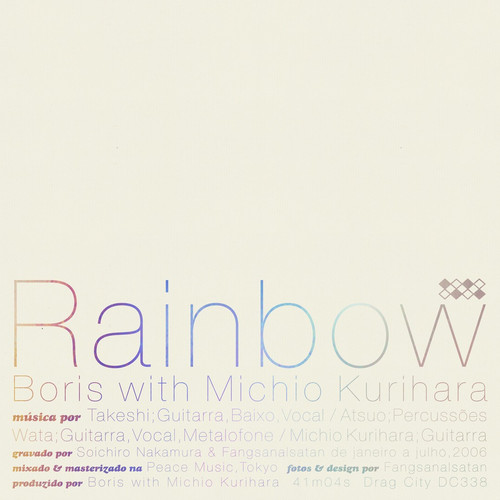
Rainbow
Boris and Michio Kurihara of Ghost and White Heaven first joined forces on Rainbow in 2006. Drag City now issues it on vinyl for its 20th anniversary: heavy psych, droning jams and short pop songs, in a tip-on sleeve with a vellum lyric insert.
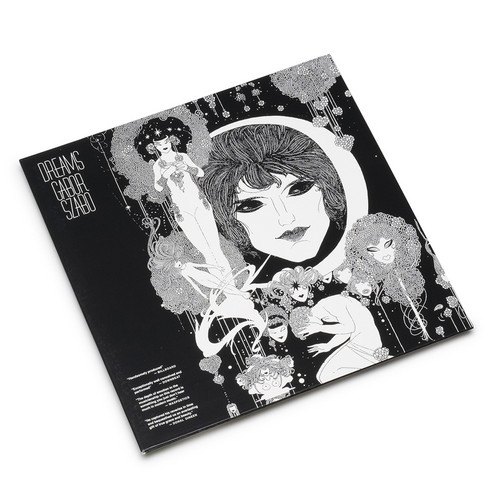
Dreams
Big tip! Mr Bongo proudly presents a reissue of Hungarian guitarist Gabor Szabo’s masterpiece Dreams. Blending lush, Eastern European-tinged psychedelic jazz with beautiful arrangements by Gary McFarland, its unique, delicate, charming sound has entranced record collectors for years. Originally released in 1968 on Skye Records, it’s quite rightly become a sought-after LP, and here at Mr Bongo, we wanted to reissue as close a replica edition as possible.
Hungarian-born, Szabo left his home countr…
Rosenberg Museum
Four CDs from Jon Rose's Rosenberg Museum, the decades-long project around the violin: homemade and hacked string instruments, true and invented violin stories, and 37 tracks from the museum now housed in central Australia.
Time Machines II
Tip! When Peter “Sleazy” Christopherson passed away in 2010, he left several projects in different stages of completion. In 2014, seven of these tracks were assembled by people close to him and released as Time Machines II on a limited deluxe memory stick. The edition sold out almost immediately and has since become a collector’s item.
Despite its title, Time Machines II is very different from Coil’s 1998 drone classic. More varied in sound, it recalls instrumental Coil works such as The Restitu…
Dead Mind Records Bundle
A comprehensive survey of experimental sound practices across generations, geographies, and aesthetic approaches. This four-release bundle from Dead Mind Records presents vital documents of uncompromising artistic vision: from contemporary electronic collaboration to archival excavations of ambient and industrial histories.
Musica Divina is a collaborative sound art project formed by Haare and Vincent Dallas. Rooted in long-form improvisation and environmental textures, the duo created 2 immersi…
Contrary Motion
Scanner reworks an hour of Nurse with Wound material into six pieces named after homeopathic remedies: radio static, processed voices and squeaky guitars in an echoing maze. Double vinyl, the fourth side etched by Babs Santini.