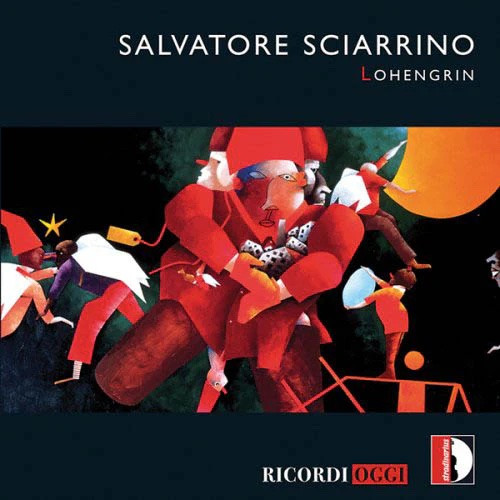
Lohengrin
2008 release ** Lohengrin, Salvatore Sciarrino's "azione invisibile", is both a gloss on Wagner's opera and a sly debunking of it. It was conceived by its composer as an opera with action invisible, for one singer/actress who assumes all the charactersn Sciarrino's monodrama, based on one of Jules Laforgue's Moralités Légendaires, episodes from the story are viewed through the distinctly jaundiced eyes and ears of Elsa, the woman Lohengrin marries and then deserts. A single voice narrates and ta…
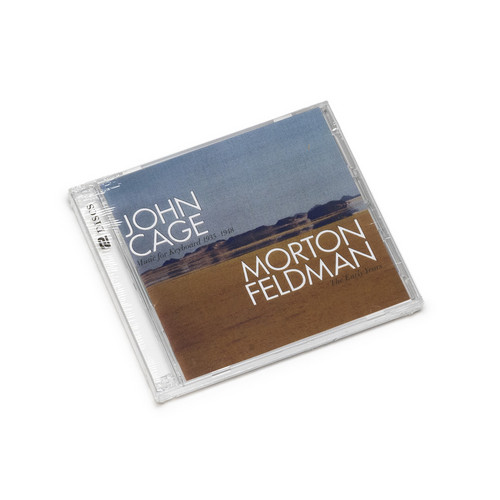
Music For Keyboard 1935-1948 / The Early Years
This double-CD set combines two of the key titles of Columbia Records's
legendary "Music of Our Time" series curated by David Behrman. Jeanne
Kirstein's recording of Cage's early keyboard works remains a touchstone
of Cagean interpretation notwithstanding the passage of time. Christian
Wolff recalls, "I remember Cage saying that Jeanne Kirstein's playing
caught the spirit in which the pieces were written at the time he wrote
them-a kind of simple excitement and enthusiasm (also, surely, ou…
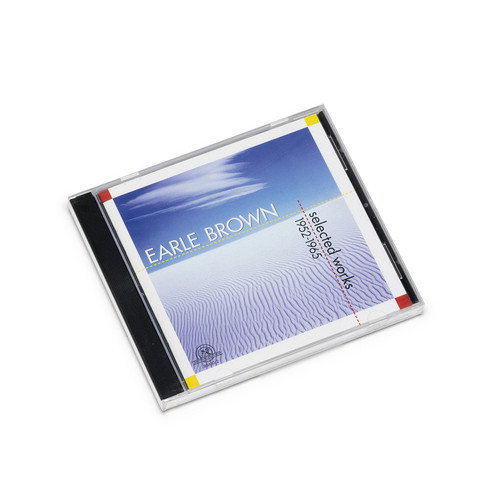
Earle Brown: Selected Works 1952- 1965
This long-awaited reissue of the CRI recording of Earle Brown’s (1926–2002) music is the best overview of his seminal early works. “It is obviously a great pleasure for me that Cri is re-releasing its 1974 recording of my work, and an even greater pleasure that I am able to add to the repertoire. The performance of Times Five and Novara still seem very fine representations of the works and are performed brilliantly by the Dutch musicians. December 1952 as realized by the late, brilliant pianist …
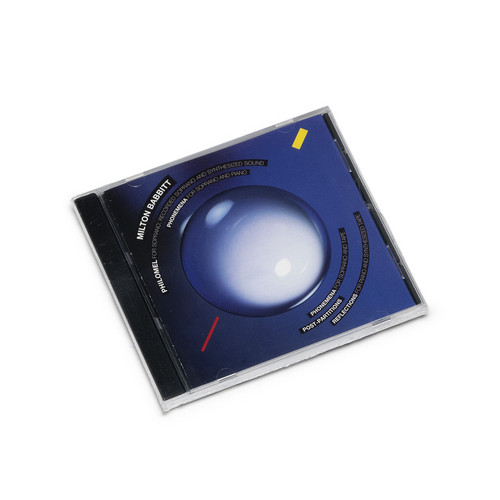
Philomel
Compositions performed by Bethany Beardslee and Lynne Weber (sopranos), Jerry Kudern and Robert Miller (pianos). The four works on this recording span a period of a decade and are among the best of Milton Babbitt’s output, tape and otherwise. Philomel, for soprano, recorded soprano, and synthesized sound, is one of the undisputed classics of electroacoustic music and this is its definitive recording. Two versions of Phonemena —one for soprano and piano, the other for soprano and tape— another vi…
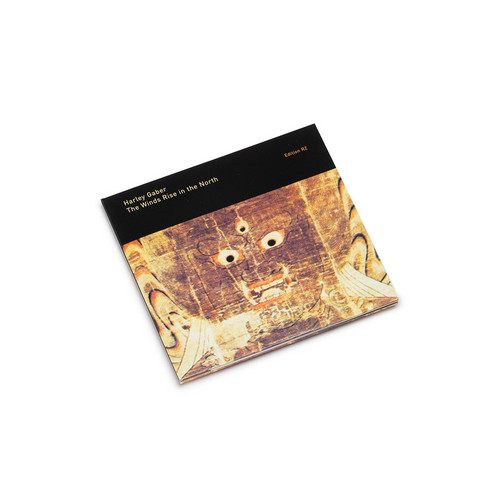
The Winds Rise in The North
Composer Harley Gaber wrote this piece for strings as an emotional examination of the questions posed by Taoist philosopher Chuang Tzu, here performed by a quintet including violinist Malcolm Goldstein
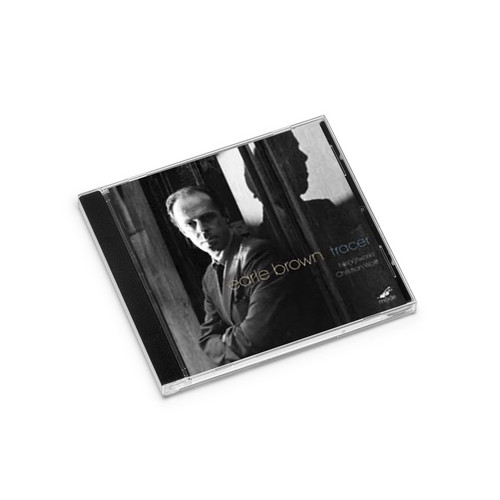
Tracer - Chamber Works 1952-1999
Earle Brown first encountered the work of Alexander Calder in 1948, whose mobile sculptures Brown saw as a visual embodiment of the variable (impermanent) aesthetic that he was striving to create. This Calder aesthetic stayed with Brown throughout his several stylistic shifts. Whether he was writing twelve-tone serial music (Music for Violin, Cello, and Piano), conceptual graphic scores (Folio and Four Systems), composed material open form scores (String Quartet, New Piece and Tracer), or sponta…
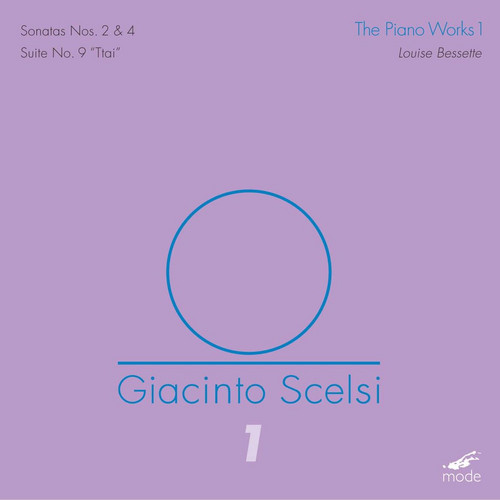
The Piano Works 1
Performed by Louise Bessette (piano). "This marks not only the first volume in Mode's new Scelsi edition, but also the initial disc of the traversal of his piano works. Written in 1939, Scelsi's 'Second Sonata' was premiered by Yvar Mikhashoff in London (1979). Marking a new compositional direction, Scelsi suspended thematic development and frequently introduced various kinds of repetitions: reiterated single tones, chords, and patterns, often suggesting the sounds of bells or Oriental gongs. Sc…
Silent Pieces - Live At Dacapo II
1995 release ** Special members-only edition for the sponsors' circle of dacapo. Music by: Anton Webern, Morton Feldman, John Cage, Hans Otte, Malcolm Goldstein, Dietrich Eichmann, Yoshikazu Iwamoto.
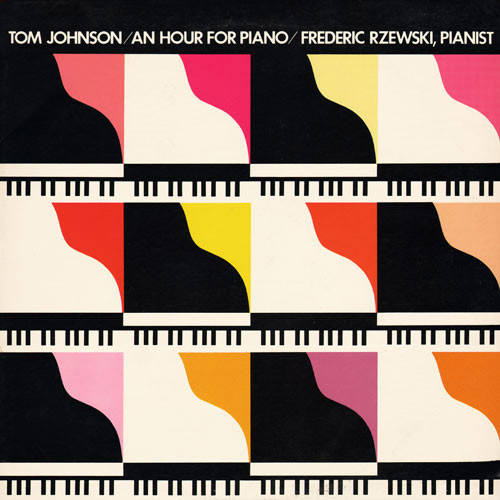
An Hour For Piano
"First, the booklet notes. If you pine for Gertrude Stein speaking circles around herself, meaning what she doesn’t mean, and not meaning what she means, you’ll probably like Tom Johnson’s non-sort-of-explanation of his magnum keyboard opus, An Hour For Piano. The composer prefers that you don’t read his notes while listening to the music. In fact, don’t read them before you play the CD for the first time. Listen to the piece first. Then, if you’re feeling artsy, put on the CD again and read the…
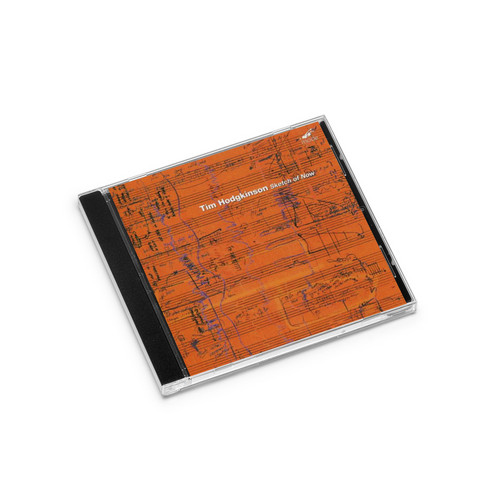
Sketch of Now
Tim Hodgkinson co-founded the politically and musically radical free-jazz/progressive rock group Henry Cow in 1968, which also featured guitarist Fred Frith. He regards his membership in this group, with the opportunity to work closely and collectively with other instrumentalists in developing new sound worlds, as the foundation of his musical education. In addition to composing, Hodgkinson continues to perform as an improviser (clarinets, saxes and keyboards) and considers the practice of impro…
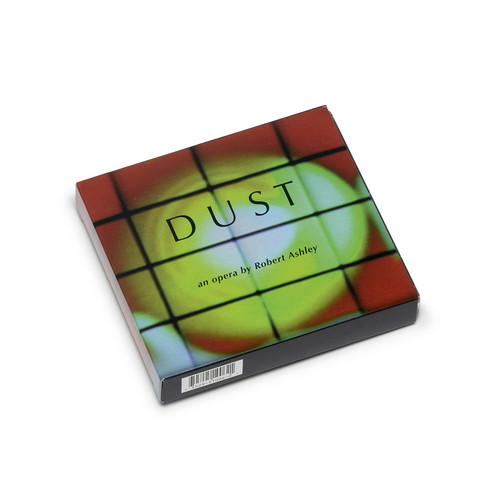
Dust
Dust is an opera by Robert Ashley and Yukihiro Yoshihara (video direction) whose imaginary setting is a street corner anywhere in the world, where those who live on the fringes of society gather to talk, to each other and to themselves, about life-changing events, missed opportunities, memory, loss, and regret. Five "street people" recount the memories and experiences of one of their group, a man who has lost his legs in some unnamed war. As part of the experience of losing his legs, he began a …
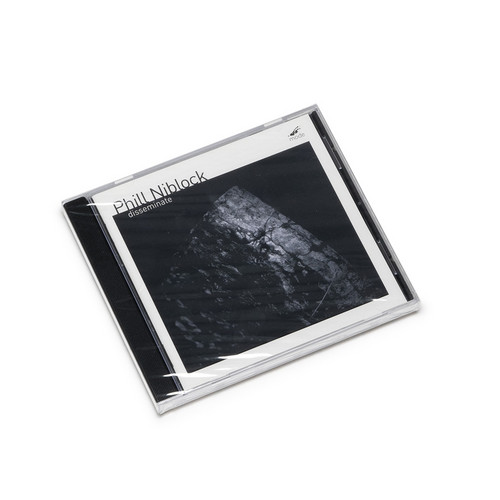
Disseminate
Phill Niblock (born in Indiana, 1933) is a seminal figure in "drone" music who crosses the Downtown and Improv scenes. A characteristic of Niblock's drone style is its subtle, gradual alteration of pitch which leads one to lose a sense of "time" and draws one deeper and deeper into the sound itself. The remarkable thing is that Niblock achieves this effect by almost always using traditional acoustic instruments. Niblock is an intermedia artist using music, film, photography, video and com…
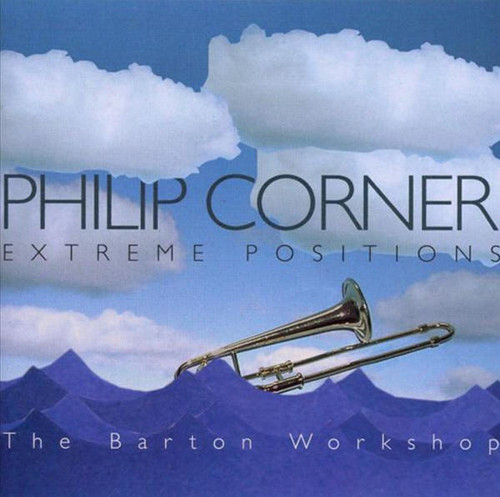
Extreme Positions
Philip Corner was an active member of Fluxus, a founder of the Tone Roads Chamber Ensemble, the resident musician and composer for the Judson Dance Theatre, and co-founder of Gamelan Son of Lion. The musical opportunities that these ensembles and their performances offered Corner ensured that he was both prolific and had or developed a deep understanding of the important artistic influences of that time. Corner uses a variety of scoring methods. He is truly the equal of John Cage in forcing us t…
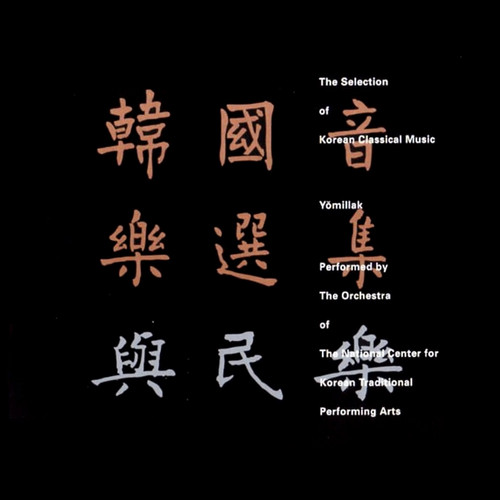
Yomillak - Korean classical music
Selection of Korean classical music, performed by the Orchestra National Center for Korean Traditional Performing Arts. Cast your mind back to the 15th century. That is, of course, difficult if not impossible to do, but the major piece recorded on these CDs, Yomillak, 'Giving the People Joy', provides something of a sonic reference point: it was first performed in 1447. Y'millak is the most extended piece of orchestral court music surviving in Korea, and it has for many centuries been used for r…
Morton Feldman
Beautiful collection of Morton Feldman's earliest, shorter piano works from the early 50s, going through the late 70s
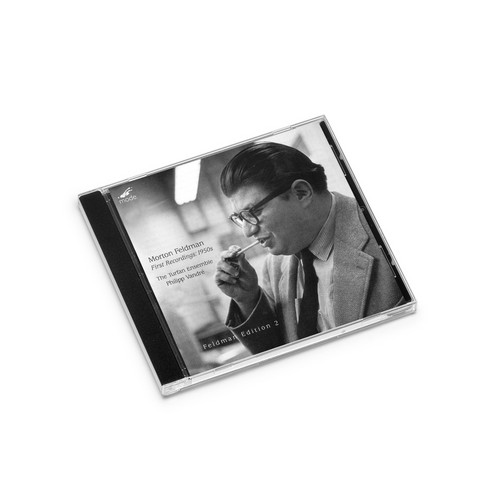
First recordings: 1950s
A remarkable discovery of over 75 minutes of Morton Feldman's music. This disc represents 13 unrecorded early works spanning 1950 to 1953, many previously unpublished. Highlights: his only works for magnetic tape, 'Intersection,' realized in 8-channels by Feldman with John Cage and Earle Brown. Considered lost, the work has been restored and presented here for the first time in 40 years. Also: his score for 2 cellos to Hans Namuth's film of Jackson Pollock, presented in its entirety including na…
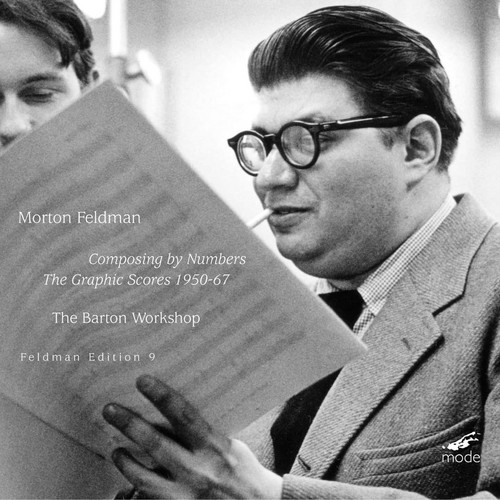
Composing By Numbers: The Graphic Scores 1950-67
This ninth volume of Mode's Morton Feldman Edition brings together 13 of the 17 works the composer notated using graph instead of normal manuscript paper (between 1950's "Projection I" and 1967's "In Search of An Orchestration", though Feldman temporarily abandoned his graphic notatio after 1953's "Intersection IV" and only returned to it five years later with "Ixion"), performed with customary aplomb by the Amsterdam-based Barton Workshop under the baton of Jos Zwaanenburg and their musi…
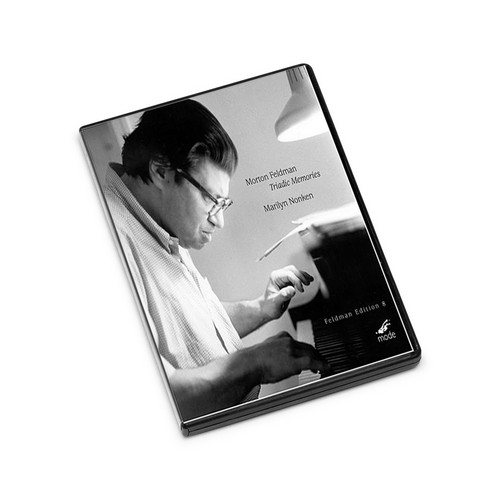
Triadic Memories
Marilyn Nonken (piano) plays 'Triadic memories'. The place Triadic memories takes us is full of illusions, not only of function and direction but also of timelessness and stasis. Recorded from the pianist's perspective, it gives the listener the unique opportunity to hear all of the small nuances and overtones which can be lost in the concert hall.
There is no indication of tempo. For this recording, Ms. Nonken chose a steady eighth-note pulse throughout that approximates the heart rate at rest.…
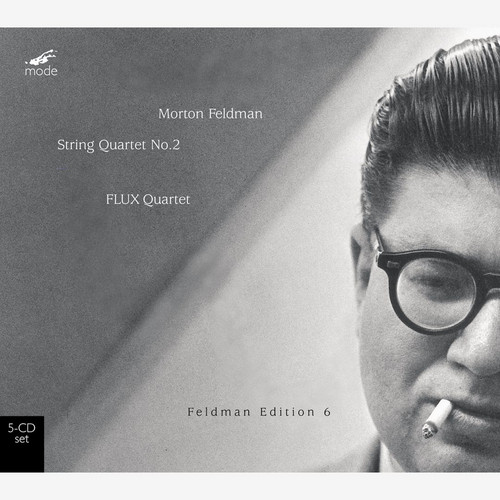
String quartet N°2
Dvd audio edition. In the 1970s Morton Feldman took up the study and collecting of antique Turkish rugs, a highly evolved and exquisite folk art. The rugs are intricately patterned, symmetrical in basic design but with constant variation and displacement in the detailed execution of that design; strikingly and subtly colored, including fine variegations of principal colors resulting from the dyeing process. Analogies are clear to Feldman's music as it takes up large-scale patterning, partly work…
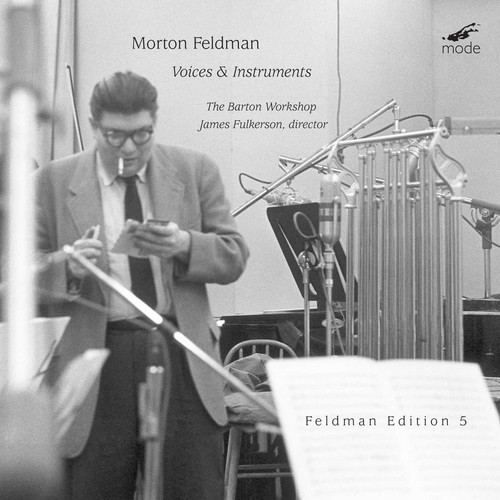
Voices and instruments
This CD is comprised of works from Feldman's Early Period (late 40's until the late 60's) and Middle Period (late 60's/early 70's until the early 80's). In the beginning, like all young creative artists, Feldman was working through alluring influences as well as the influence of his teachers, towards the moment when he would find his personal creative voice. With the exception of the vocal solo Only, this disc documents all the earliest works that Feldman chose to publish. Journey to the End of …