Jazz /
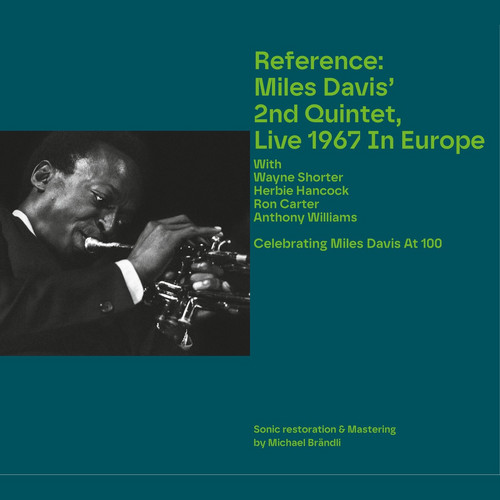
Reference: Miles Davis’ 2nd Quintet Live 1967 in Europe
The Second Quintet with Shorter, Hancock, Carter and Williams on its autumn 1967 European tour: Antwerp, Copenhagen, Paris and Karlsruhe on three CDs, restored by Michael Brändli, with an essay by Art Lange.
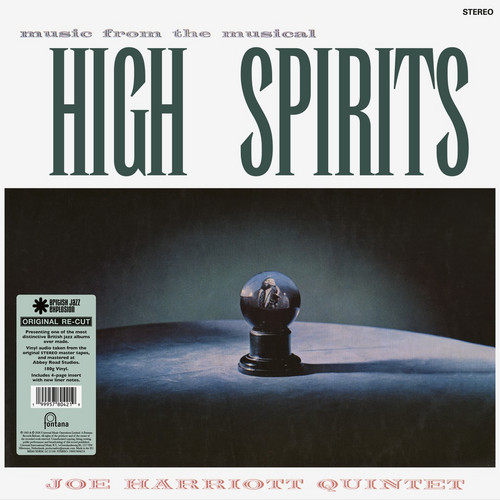
High Spirits
Joe Harriott's 1964 quintet with Shake Keane, Pat Smythe, Coleridge Goode and Bobby Orr turns songs from the Broadway musical High Spirits into lyrical, swinging jazz, now on vinyl in stereo for the first time.
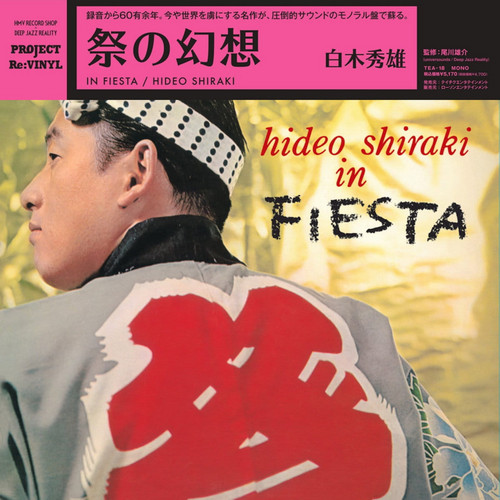
In Fiesta
More than sixty years after its original recording, a masterpiece that has captivated audiences around the world is reborn on an analog mono pressing with truly powerful sound.
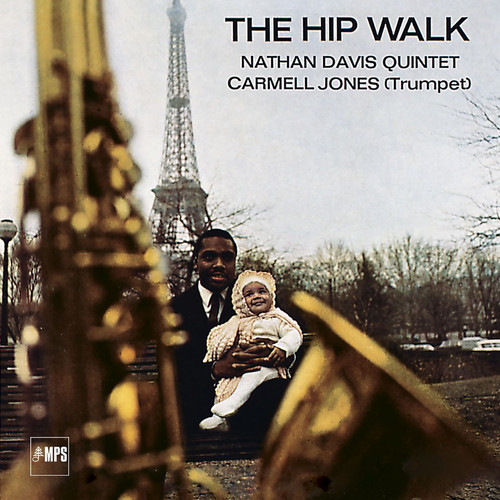
The Hip Walk
Villingen, 1965. Nathan Davis, the Kansas City tenor who had shared a Paris band with Eric Dolphy, records his second SABA album with a fellow Kansas Citian, Carmell Jones, just off Song for My Father, and the Clarke-Boland rhythm section: Francy Boland, Jimmy Woode, Kenny Clarke. Includes The Hip Walk.
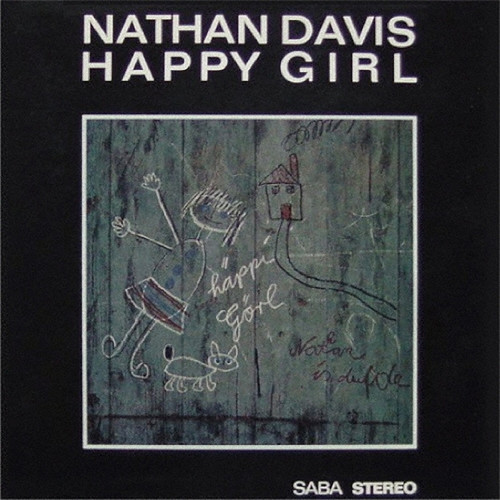
Happy Girl
Nathan Davis's first record as a leader, cut at the SABA studio in Villingen on 31 January 1965 with a twenty-year-old Woody Shaw on trumpet, Larry Young on piano rather than organ, Jimmy Woode on bass and Billy Brooks on drums. Tenor, soprano and flute in the Paris expatriate style of the mid-1960s.
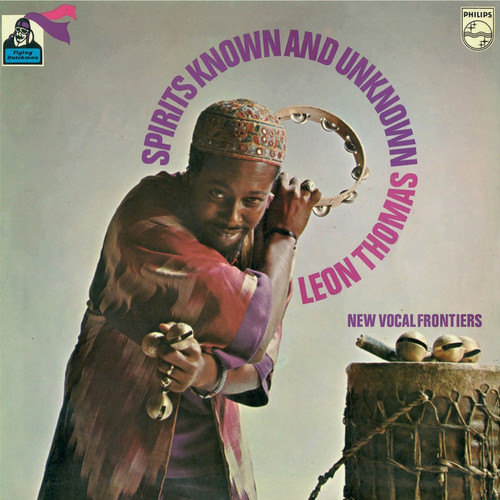
Spirits Known and Unknown
New York, 21 and 22 October 1969. Leon Thomas's first album under his own name, made months after Karma, with Pharoah Sanders credited as Little Rock, Lonnie Liston Smith, James Spaulding, Cecil McBee, Richard Davis and Roy Haynes. A shorter Creator Has a Master Plan, Echoes, and the Malcolm X elegy Malcolm's Gone.
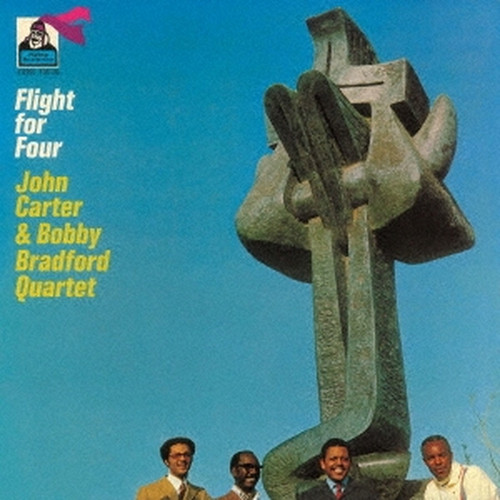
Flight For Four
Los Angeles, 1969. The first record of the John Carter - Bobby Bradford Quartet, the West Coast free jazz band Ornette Coleman had brought together in 1965, with Tom Williamson on bass and Bruz Freeman on drums. Five Carter pieces for Bob Thiele's new Flying Dutchman, from Call to the Festival to Domino.
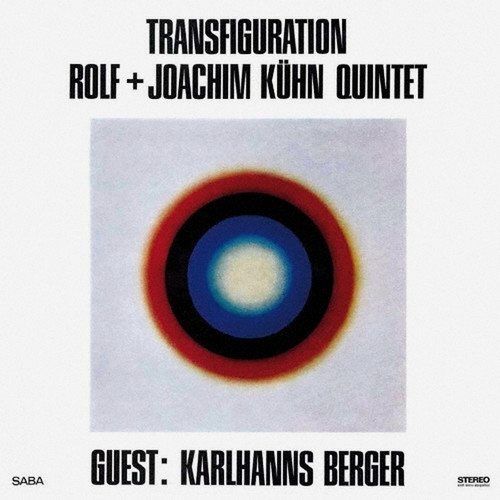
Transfiguration
1967. Joachim Kühn had left the GDR the year before and settled in Hamburg; Rolf Kühn, his elder brother, had come back from six years in New York (Benny Goodman, the Tommy Dorsey band) to run the NDR television orchestra. They had already played Newport together. Transfiguration, on SABA, is the Rolf + Joachim Kühn Quintet with Karl Berger as guest on vibraphone, made in the months before Joachim moved to Paris for good.
It sits between two records the brothers made the same year: Re-Union in B…
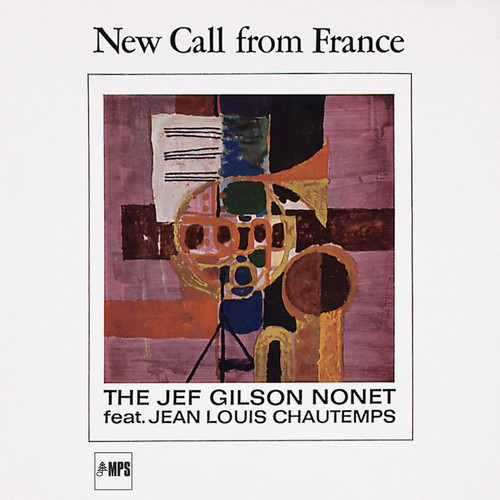
New Call From France
Jef Gilson (born Jean-François Quiévreux, 1926) had played clarinet with Claude Luter in Boris Vian's band, switched to piano in 1947, and in 1963 formed the big band through which half of French modern jazz would pass. In 1965 he was musical director of Les Double Six. That year Woody Shaw and Nathan Davis played in his orchestra. New Call From France, released by SABA in 1966 and credited to the Jef Gilson Nonet with Jean-Louis Chautemps, is the record he made for the Black Forest label at the…
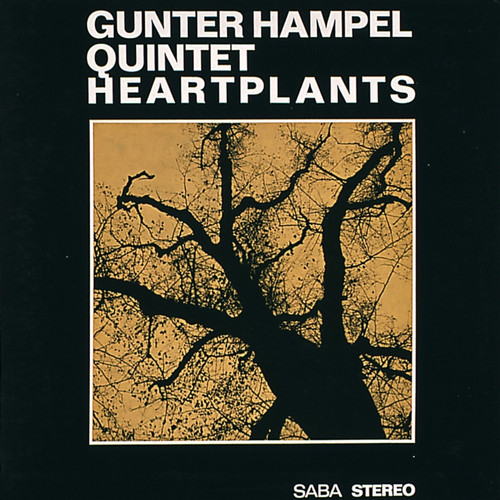
Heartplants
Gunter Hampel's first record, 1965, on SABA: a quintet with Manfred Schoof on trumpet, Alexander von Schlippenbach on piano and Buschi Niebergall on bass, a year before Globe Unity. Down Beat gave it five stars. Hampel on vibes and flute, Dolphy and Ayler in the room, nobody screaming.
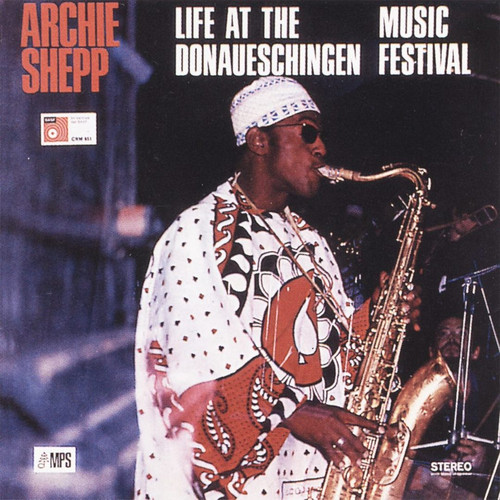
Live At The Donaueschingen Music Festival
Donaueschingen, 21 October 1967. Archie Shepp with Roswell Rudd and Grachan Moncur III on trombones, Jimmy Garrison on bass, Beaver Harris on drums. One piece, One for the Trane, forty-three minutes, three months after Coltrane's death, opening with a seven-minute Garrison solo and ending in The Shadow of Your Smile.
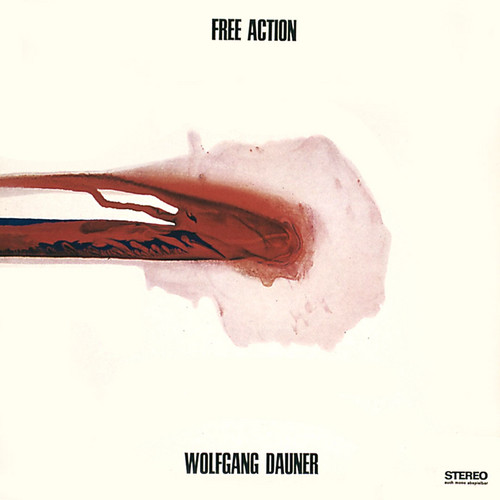
Free Action
Wolfgang Dauner's 1967 SABA septet: Jean-Luc Ponty on violin, Gerd Dudek on tenor and clarinet, Eberhard Weber on cello, Jürgen Karg on bass, and two drummers, Mani Neumeier and Fred Braceful. Mingus-like themes that dissolve into free playing, Neumeier on tabla for the Spanish disguise. Out of print for forty years.
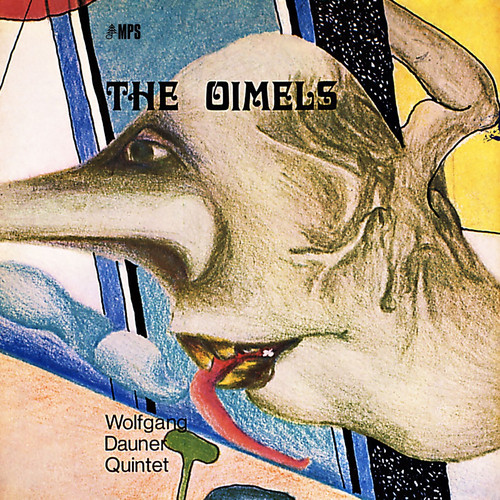
The Oimels
Two years after Free Action, a different record. The Oimels, MPS 1969, is the Wolfgang Dauner Quintet playing pop: Dauner on piano, organ and voice, Eberhard Weber on bass, cello and voice, Siegfried Schwab on guitar and sitar, Pierre Cavalli on guitar, and Roland Wittich on drums and voice, who also did the cover art with Dauner.
The programme mixes Dauner originals with a Gershwin tune, a traditional, and a Lennon-McCartney song. A RateYourMusic listener puts it plainly: a different kind of ja…
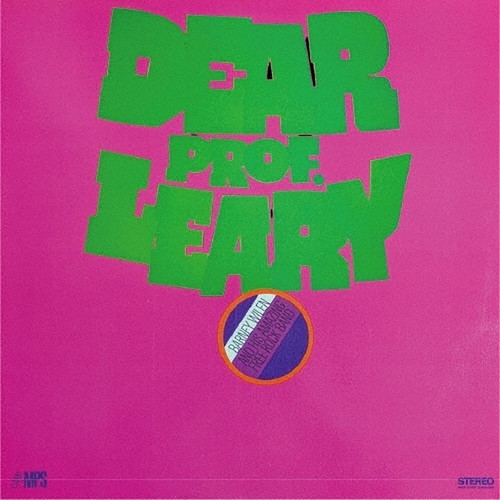
Dear Prof. Leary
Villingen, 27 and 28 June 1968. Barney Wilen, the tenor of Ascenseur pour l'échafaud, with a young Joachim Kühn on organ and piano, Aldo Romano and Wolfgang Paap on two drum kits, Mimi Lorenzini's guitar and Günter Lenz's bass. Ode to Billie Joe, Respect, Lonely Woman and the Supremes, dedicated to Timothy Leary.
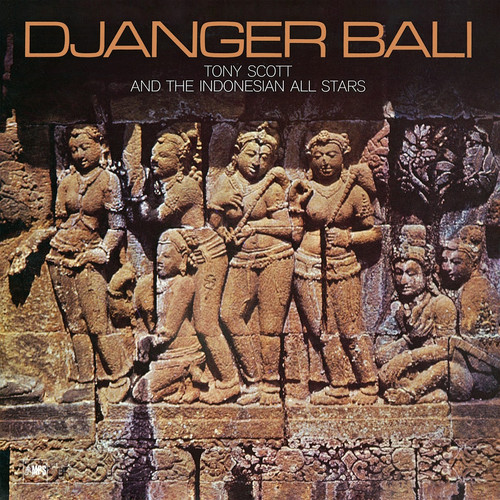
Djanger Bali
1967, SABA. Tony Scott, the clarinettist of Music for Zen Meditation, with Bubi Chen's Indonesian All Stars: Jack Lesmana on guitar, Marjono on saxophone, gamelan gongs under the rhythm section. Jazz standards and Indonesian songs, with Summertime and Djanger Bali. One of the first Jazz Meets records.
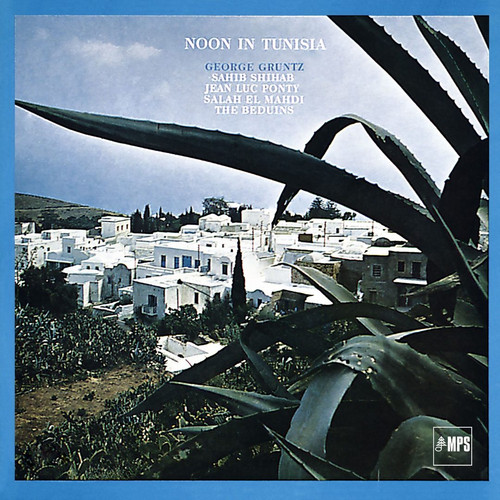
Noon In Tunisia
Another of Berendt's meetings, SABA 1967. George Gruntz, the Basel pianist who would later run the Berlin Jazz Festival for twenty years, with Sahib Shihab on saxophones and Jean-Luc Ponty on violin, and a group of Tunisian musicians: a bendir and darbuka drum ensemble and Salah El Mahdi on ney flute. The title turns Dizzy Gillespie's tune on its head.
UK Vibe, reviewing the Nicola Conte compilation that includes Djerbi, points out that the famous names are not the point: it is the lesser-known …
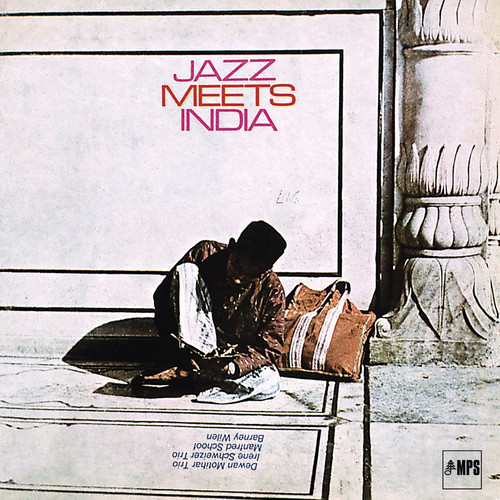
Jazz Meets India
Villingen, 23 October 1967. Irène Schweizer's trio with Mani Neumeier and Uli Trepte, a year before Guru Guru, meets Dewan Motihar's sitar, tabla and tambura, with Manfred Schoof and Barney Wilen. Three pieces, two of them long, and the seventeen-minute Sun Love. All About Jazz calls it an unqualified success.
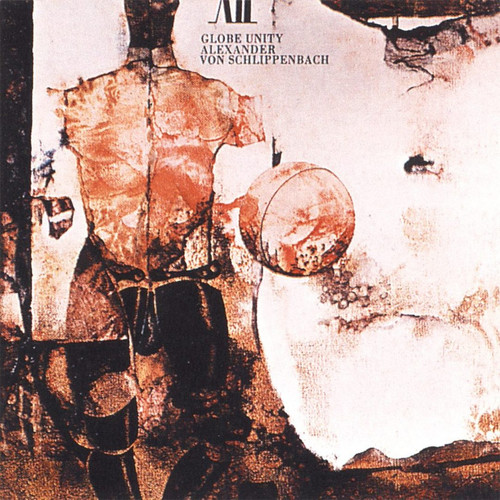
Globe Unity
December 1966, a month after the premiere at the Berlin Philharmonie: Alexander von Schlippenbach's Globe Unity, fourteen players, Brötzmann, Schoof, Hampel, Mangelsdorff, Dudek, Breuker, Kowald, Niebergall, Liebezeit, Neumeier. Two pieces, Globe Unity and Sun. European free jazz declaring itself.
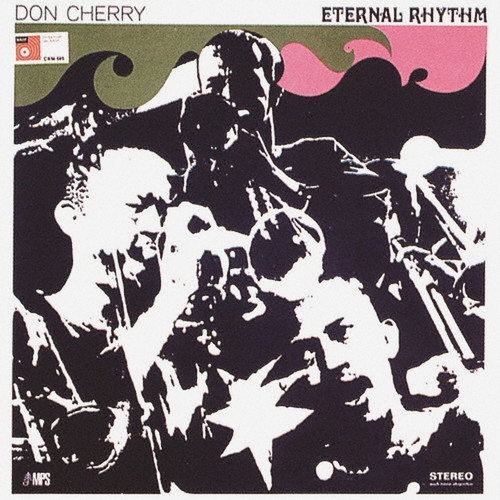
Eternal Rhythm
CD eissue of Don Cherry's classic Eternal Rhythm Group, recorded at the Berlin Jazz Festival, 1968. An amazing line up of: Cherry (cornet, gender and saron [gamelan], flutes), Albert Mangelsdorff (trombone), Eje Thelin (trombone), Bernt Rosengren (tenor sax, oboe, clarinet, flute), Sonny Sharrock (guitar), Karl Berger (vibes, piano, gender), Joachim Kühn (piano, prepared piano), Arild Andersen (bass), & Jacques Thollot (drums, saron, gong, bells, voice). Two "side-long" pieces with gamelan under…
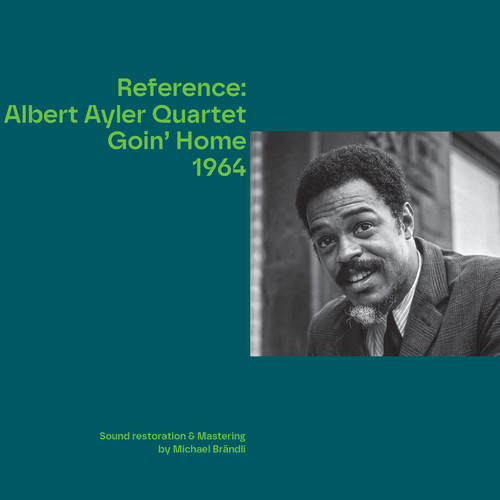
Goin’ Home
Albert Ayler did it once, and only once. On February 24, 1964, in New York, on the same day as the session that would become Spirits, he recorded a program of spirituals and standards with no screaming, no glossolalia, no demolition of form: "Goin' Home", "Ol' Man River", "Down By The Riverside", "Swing Low, Sweet Chariot", "Deep River", "When The Saints Go Marchin' In", "Nobody Knows The Trouble I've Seen". Songs of suffering and salvation, played with a devotional restraint that hits harder th…