Jazz /
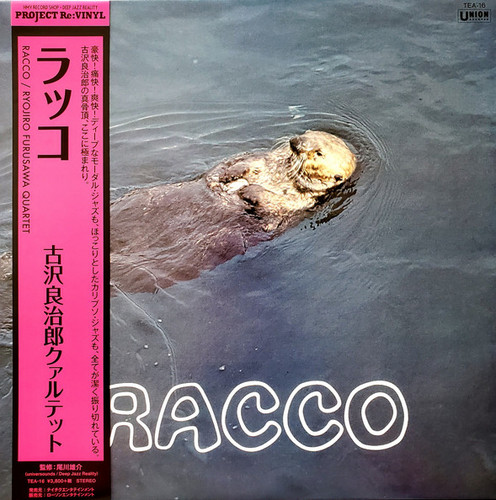
Racco
Few musicians, and few albums, embody such a joyful sense of freedom and vitality. Racco is where the artistry of Ryojiro Furusawa reaches its peak.
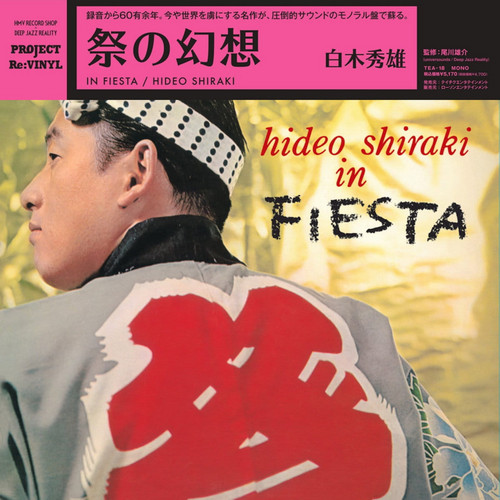
In Fiesta
More than sixty years after its original recording, a masterpiece that has captivated audiences around the world is reborn on an analog mono pressing with truly powerful sound.

Ginshu (Silver Pathos)
Akira Sakata with Shinpei Ruike on trumpet and Jun Inui on drums, recorded at the Shibata Etsuko Gallery in Ginza on March 30, 2026. Sister Records.
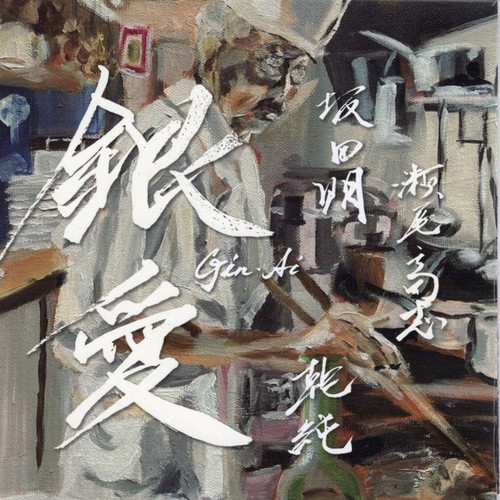
Gin Ai (Silver Love)
Akira Sakata with Takashi Seo on contrabass and Jun Inui on drums, recorded at the Shibata Etsuko Gallery in Ginza on April 10, 2025. Sister Records.
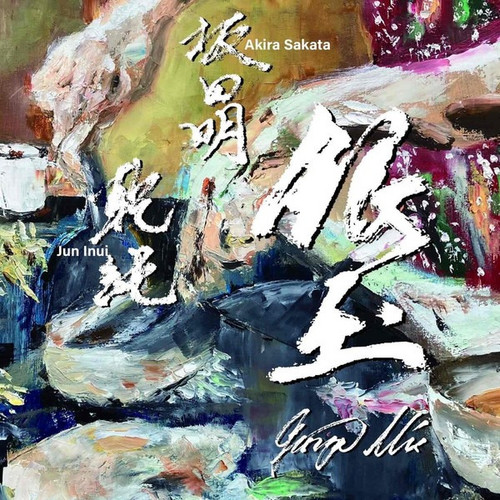
Gintama (Ginza Mix)
Akira Sakata and drummer Jun Inui in duo, recorded at the Shibata Etsuko Gallery in Ginza on April 7, 2024. The first of their Gallery series on Sister Records.
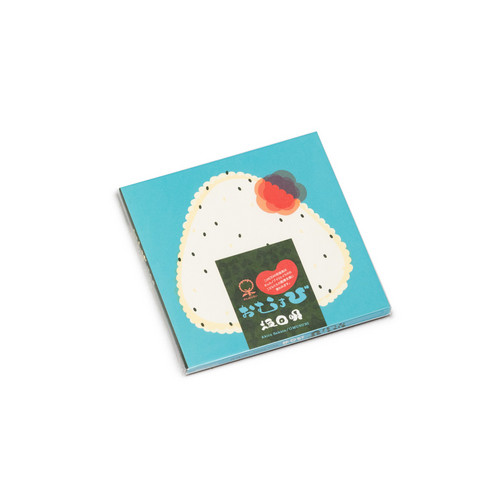
Omusubi
A charity CD by Akira Sakata for the medical care of children in Chernobyl and Iraq, with Kyoko Kuroda, Vagabond Suzuki and Manabu Sakata, recorded in Tokyo in December 2007.
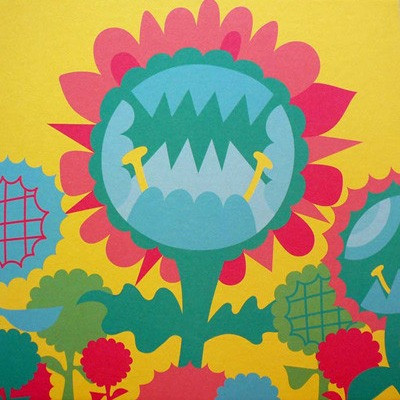
Himawari
Akira Sakata on saxophones and clarinet with Febian Reza Pane, Hiroshi Yoshino and Tomohiro Yahiro, closing with a bonus Air On The G String. Ganbaranai, 2006.
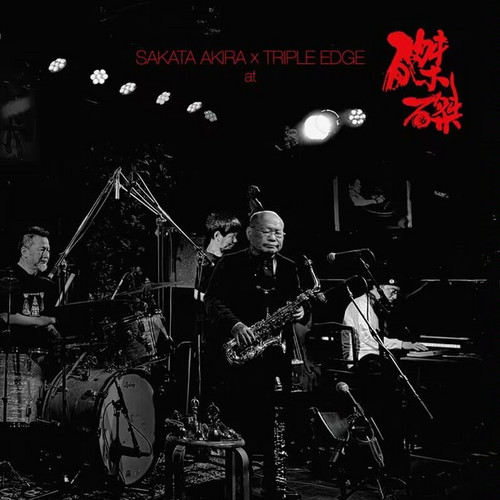
At Takutaku
Akira Sakata x Triple Edge live at Takutaku, Kyoto, February 2024: 65 minutes with Tsuboguchi, Hayakawa and Fujikake, plus Takayuki Kato on guitar and Hiroshi Funato on contrabass, built around the two-part Takutaku Suite.
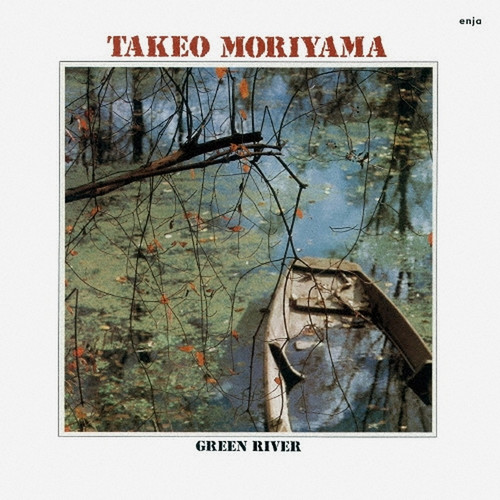
Green River
Nuremberg, East-West Jazz Festival, 6 July 1984. Takeo Moriyama, the drummer of the first Yosuke Yamashita Trio, with his own quartet: Toshihiko Inoue on tenor and soprano, Shuichi Enomoto on flute and saxophones, Hideaki Mochizuki on bass. Recorded live and issued by Enja the same year.
Moriyama had left Yamashita in 1975 and spent the following decade building a group sound of his own. The Vap record East Plants (1983) was the studio version of this band; Green River is the same lineup, less o…
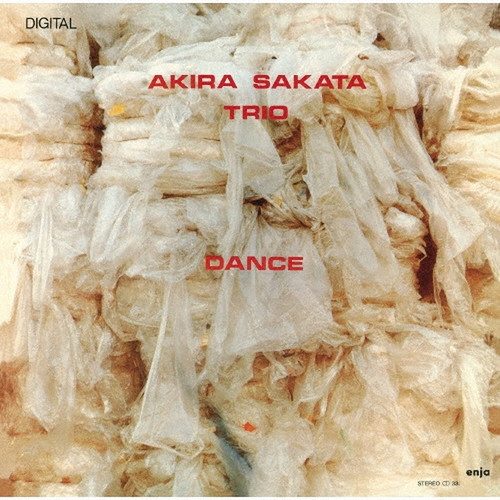
Dance
Munich, Vielharmonie, 11 June 1981. Akira Sakata, two years out of the Yosuke Yamashita Trio, with his own trio, Hiroshi Yoshino on bass and Nobuo Fujii on drums, recorded digitally for Enja. Alto sax, alto clarinet and voice; four long pieces, including a version of Brigitte Fontaine's Comme à la radio.
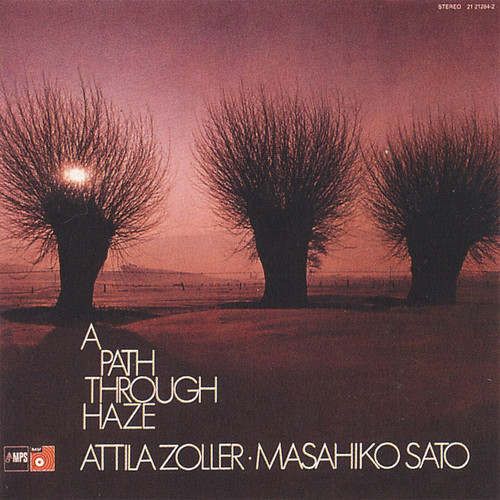
A Path Through Haze
Berlin, Teldec Studio, 7 November 1971, the same day Terumasa Hino was cutting Vibrations for Enja across town. Joachim-Ernst Berendt, who had brought Masahiko Satoh's trio to the Berliner Jazztage, put them in a studio with the Hungarian guitarist Attila Zoller: Satoh on piano, Yasuo Arakawa on bass, Masahiko Ozu on drums, Zoller on guitar. MPS released it in 1972.
Six pieces. Meet, nine minutes, opens; Sazo is short; the traditional Black Is the Color of My True Love's Hair is the ballad; Clos…
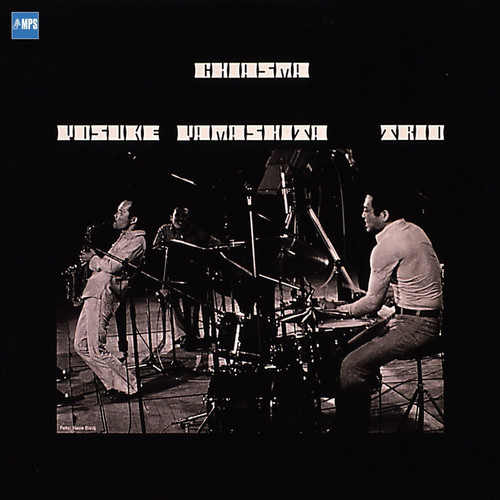
Chiasma
Heidelberg Jazztage, 6 June 1975. The Yosuke Yamashita Trio with Akira Sakata and Takeo Moriyama in its second European season, recorded by Carlos Albrecht for MPS. Piano and drums duets, a Moriyama drum solo, and the fourteen-minute Hachi. Forty minutes of the loudest trio of the decade.
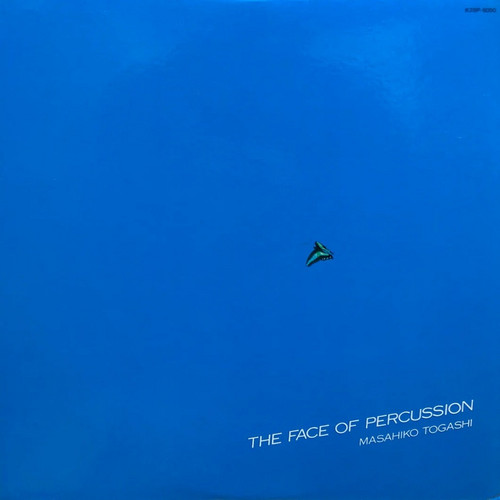
The Face of Percussion
Solo percussion album recorded in August 1980 by Masahiko Togashi, alone with drums, gongs, bells and hand percussion on a kit of his own design, reissued on LP with obi and liner notes in the Spin This Now! series.
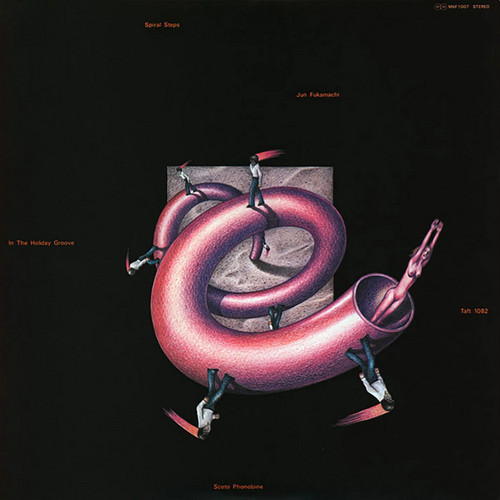
Spiral Steps
A precursor to the New York All Stars project, this album was one of the earliest overseas recording ventures by the then up-and-coming sound creator Jun Fukamachi, and stands as a landmark work that helped define the dawn of J-Fusion.
The New York sessions featured Randy and Michael Brecker, as well as the late Anthony Jackson. Representing Japan were an exceptional lineup of musicians, led by Shuichi "Ponta" Murakami, who plays drums on every track, alongside Kazumi Watanabe, Rei Ohara, Akira …
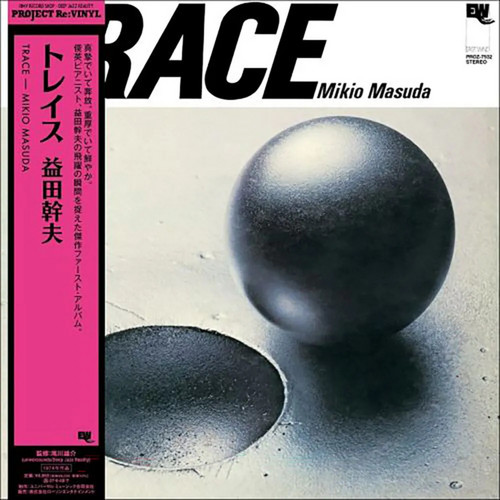
Trace
Powerful trio music by pianist Takehiro Honda, known for his strong touch and bluesy feeling, together with an American rhythm section. The album features a line up of compelling originals, including the overwhelmingly powerful "Minors Only" and the title track "Salaam Salaam," whose title means “peace” in Swahili.
East Wind was a ground-breaking jazz label established in 1974 through the full cooperation of Ai Music, as it was then known, and Nippon Phonogram, as it was then known. Over a per…
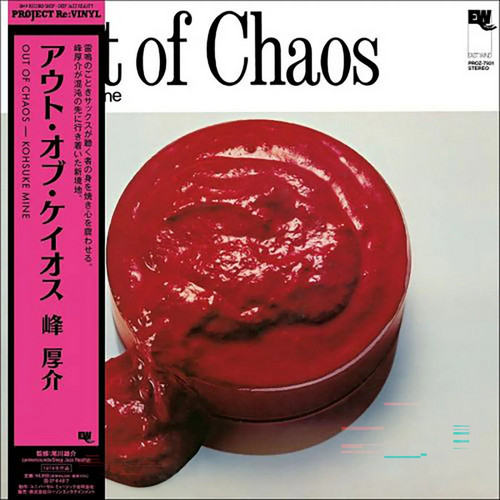
Out Of Chaos
The saxophone, thunderous as a peal of lightning, burns the listener’s body and shakes the soul. Out Of Chaos captures a new frontier reached by Kosuke Mine beyond the depths of chaos. Having attracted widespread attention through his work with the Masafumi Kikuchi Group and the consecutive release of three albums under his own name in 1970, Kosuke Mine was one of the most talked-about figures in Japanese jazz. Following the breakup of the Kikuchi Group, he released the masterpiece Daguri in 197…
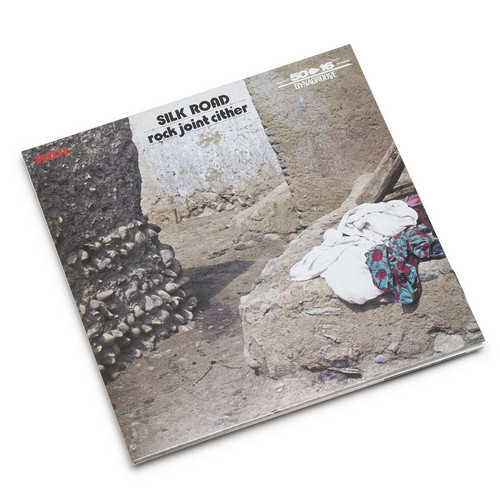
Rock Joint Cither – Silk Road
*Warehouse Find !!!* After the space-time experience and the translation into music of the Bible of Japanese civilization, the Fulukotofumi, the following year, in 1973, Hiromasa Suzuki pushes his research and experimentation beyond the borders of his own country by venturing, with the usual companions of adventure (Kunimitsu Inaba, Hideo Sekine, etc.), along the lights and shadows of the Silk Road. A backward journey in search of the musical and cultural sources of mainland Asia, from the gates…
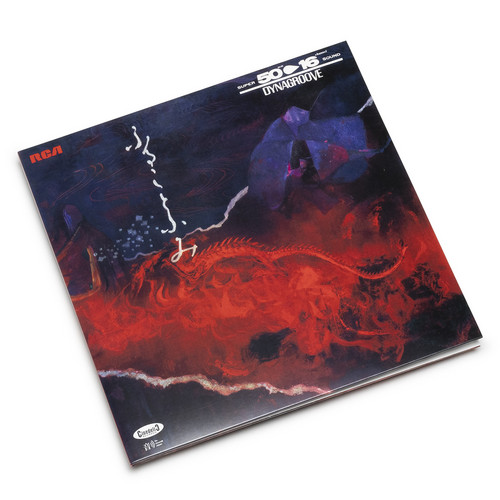
Rock Joint Biwa
*Warehouse Find !!!* The Fulukotofumi is the most important and ancient historical chronicle of Japan. The content of this work becomes an inspiration for the creation of a sound transposition of the legends and myths that most marked the spirit and inspiration of Hiromasa Suzuki, as a musician and as a high-level composer. The music that is concentrated between these grooves is a representation of the best that moved in the early seventies in the jazz-rock orbit at an international level; in ad…
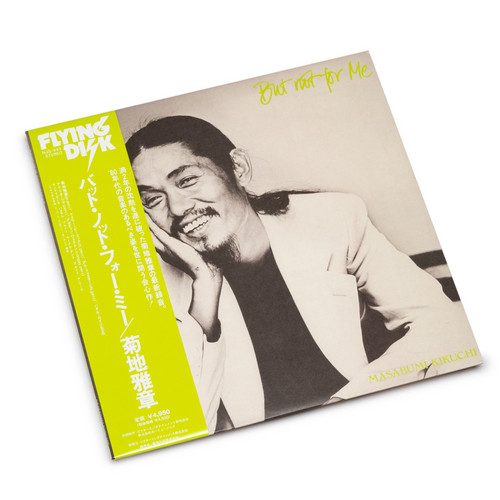
But Not For Me
First vinyl reissue since 1978 of Masabumi Kikuchi's percussion-laden New York session for Flying Disk. Gary Peacock, Al Foster, Badal Roy, and Brazilian and North African percussion surround the pianist's spare modal phrasing. Limited edition with obi and insert
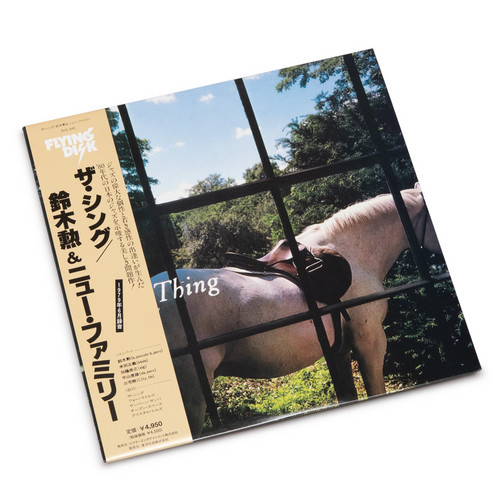
The Thing = ザ・シング
Limited vinyl reissue of the 1978 direct-to-disc classic. Isao Suzuki on piccolo bass with Ron Carter, Hank Jones, Roy Haynes, and strings arranged by Masahiko Satoh. A summit of Japanese and American jazz from Tokyo's golden age of audiophile recording, with obi and liner notes.