Jazz /
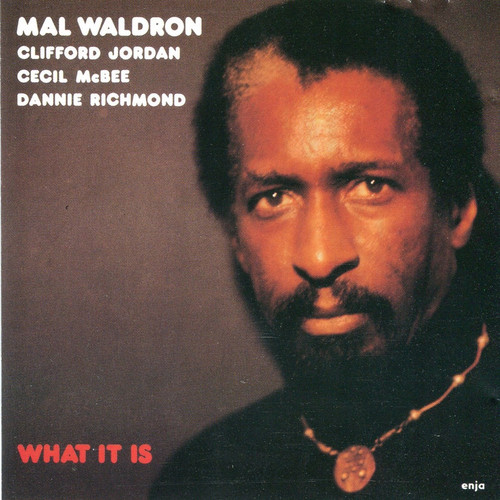
What It Is
Vanguard Studios, New York, 15 November 1981. Mal Waldron with Clifford Jordan on tenor, Cecil McBee on bass and Dannie Richmond on drums, two weeks after the same quartet had played a Columbia University concert. Produced by Horst Weber for Enja, released in 1982.
Three pieces. Jordan's Charlie Parker's Last Supper; Waldron's Hymn from the Inferno, twelve minutes; and the title track, eighteen minutes, which takes the whole second side. Ron Wynn at AllMusic gives it three stars and two words: d…
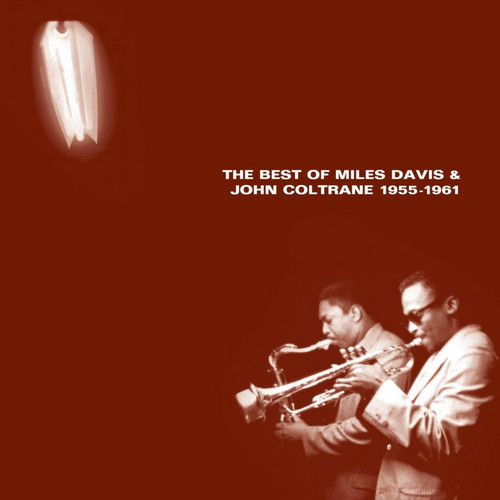
The Best Of Miles Davis & John Coltrane (1955-1961)
A double LP drawn from the Columbia recordings of Miles Davis with John Coltrane between 1955 and 1961, from So What to Someday My Prince Will Come, with Cannonball Adderley, Bill Evans, Wynton Kelly and Jimmy Cobb. First time on vinyl.
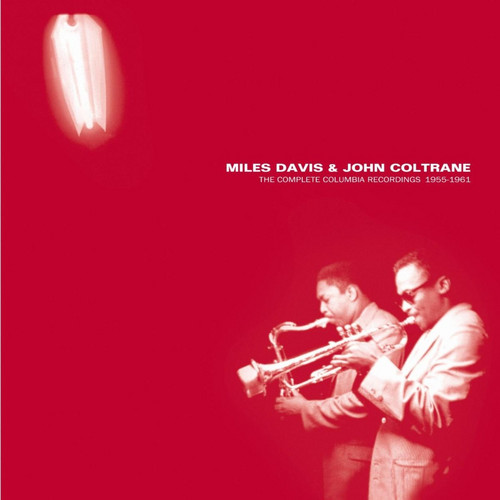
The Complete Columbia Recordings 1955-1961
The 2000 Grammy-winning box of the complete Columbia recordings by Miles Davis with John Coltrane, 58 tracks from 1955 to 1961, reissued as six CDs in individually designed minijackets with a 116-page book.
The Complete Columbia Recordings 1955-1961
The 2000 Grammy-winning box of the complete Columbia recordings by Miles Davis with John Coltrane, 58 tracks from 1955 to 1961, on vinyl for the first time outside Mosaic: nine LPs cut from the analog tapes, in a slipcase with a 60-page book.
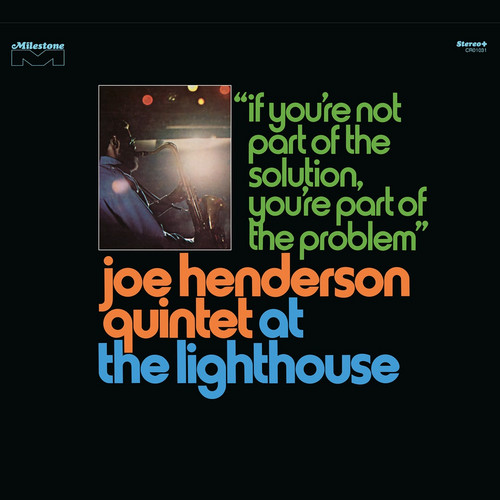
At The Lighthouse: If You're Not Part Of The Solution, You're Part Of The Problem
Joe Henderson's quintet live at the Lighthouse in Hermosa Beach in 1970, with Woody Shaw, George Cables, Ron McClure, Tony Waters and Lenny White. Deluxe 3LP edition with five unreleased tracks and new liner notes.
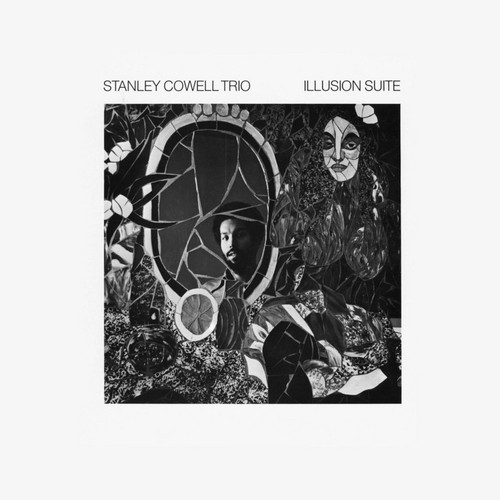
Illusion Suite
Stanley Cowell's only ECM album, recorded in 1972 with Stanley Clarke on bass and Jimmy Hopps on drums. Reissued in the Luminessence series, tip-on gatefold jacket with new liner notes by Ethan Iverson.
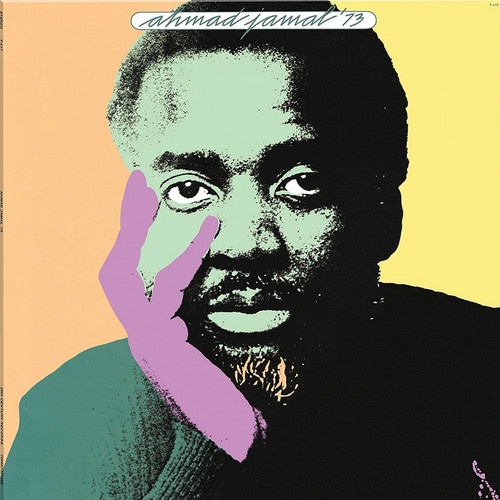
Ahmad Jamal '73
Ahmad Jamal's 1973 album for 20th Century, his first on electric piano, with an orchestra arranged by Richard Evans and versions of Superstition and The World Is A Ghetto. Verve Vault reissue, all-analog, 180 gram.
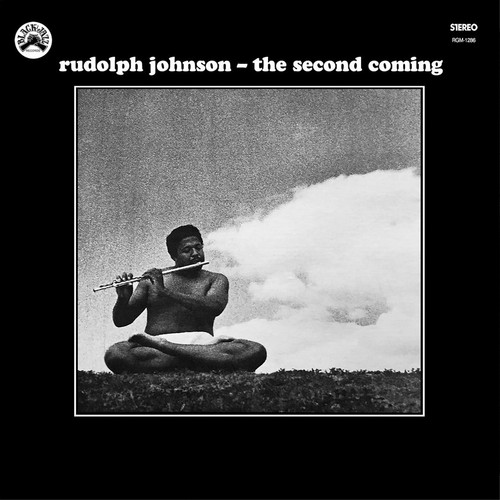
The Second Coming
Rudolph Johnson's second album for Black Jazz, from 1973, with Kirk Lightsey, Kent Brinkley and Doug Sides: free, expressive playing in the wake of Coltrane, with little of the fusion of its time. Real Gone reissue on black vinyl.
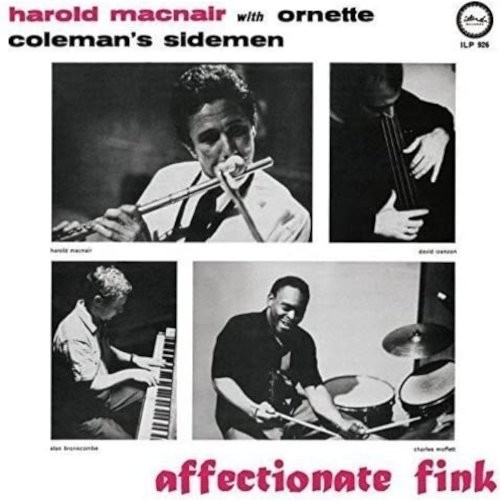
Affectionate Fink
2017 release ** Monkey Dog present a reissue of Affectionate Fink from Harold McNair With Ornette Coleman's Sidemen, originally released in 1965. An incredible record from reedman Harold McNair - one of the key Jamaican jazz players who hit the London scene in the same post-colonial wave as Joe Harriott and Shake Keane - and a standout of the bunch. Harold's a hell of a talent on both tenor and flute. Although he might be best known for his background work on late '60s Donovan albums, he really …
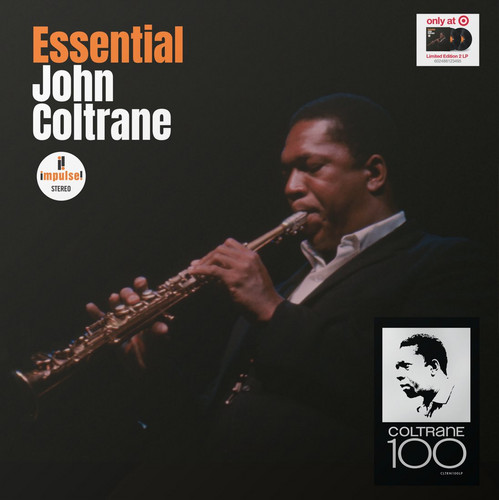
Essential John Coltrane
John Coltrane’s legacy defies boundaries—not only musical ones. From his early beginnings in Philadelphia to his final, urgent explorations of the unknown, Coltrane continually expanded the language of modern music, transforming the possibilities of the jazz saxophone and redefining the relationship between performer, composition, and spiritual expression. His playing was never merely virtuosic: it was a deeply personal force, capable of moving from the most delicate melodic statements to torren…
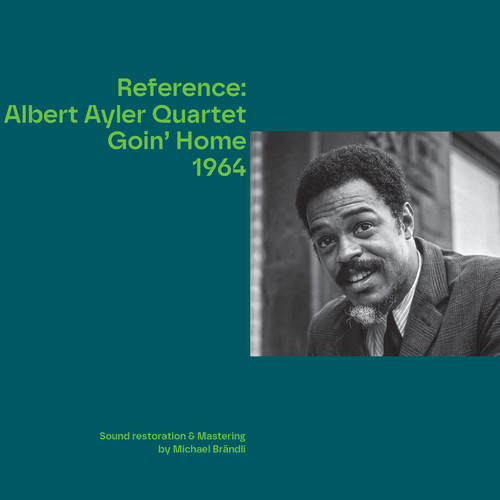
Goin’ Home
Albert Ayler did it once, and only once. On February 24, 1964, in New York, on the same day as the session that would become Spirits, he recorded a program of spirituals and standards with no screaming, no glossolalia, no demolition of form: "Goin' Home", "Ol' Man River", "Down By The Riverside", "Swing Low, Sweet Chariot", "Deep River", "When The Saints Go Marchin' In", "Nobody Knows The Trouble I've Seen". Songs of suffering and salvation, played with a devotional restraint that hits harder th…
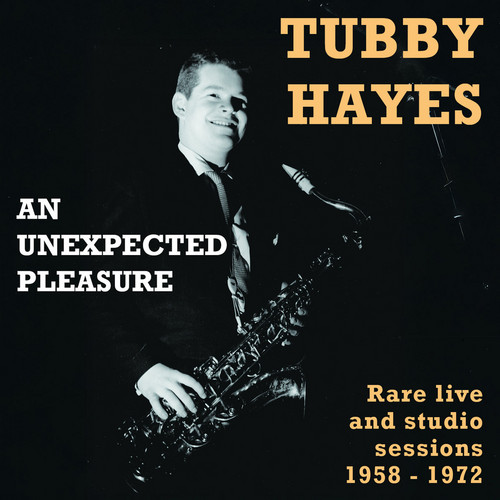
An Unexpected Pleasure (Rare Live And Studio Sessions 1958-1972)
Double CD Edition, comes with a 36-page booklet. Every national jazz history has its unrepeatable figure. Britain's is Tubby Hayes, and this is the deepest single drop into his archive that anyone has yet managed - thirty-six performances, every one of them previously unissued, drawn from ten different settings across fourteen years. He was called the Little Giant, and both halves of that name did real work. Barely taller than the tenor he carried, Hayes was a professional at fifteen, a member o…
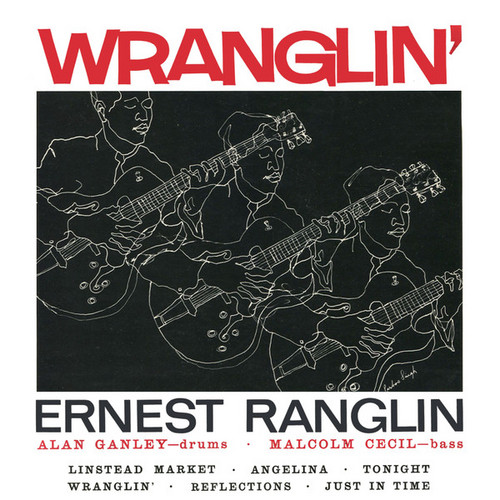
Wranglin'
*Back in print!* First released in 1964 under the expert production of Blackwell for Island Records, this remarkable album captures the essence of Jamaican soulful jazz through the extraordinary talent of Ernest Ranglin. As a pioneering guitarist and composer, Ranglin delivers an impeccable performance that blends the rich traditions of jazz with the vibrant rhythms of Jamaica.
Accompanied by a highly swinging rhythm section, featuring Malcolm Cecil on bass and Alan Ganley on drums, the album ex…
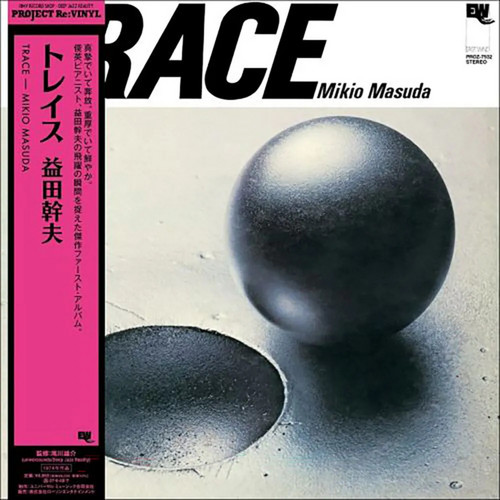
Trace
Powerful trio music by pianist Takehiro Honda, known for his strong touch and bluesy feeling, together with an American rhythm section. The album features a line up of compelling originals, including the overwhelmingly powerful "Minors Only" and the title track "Salaam Salaam," whose title means “peace” in Swahili.
East Wind was a ground-breaking jazz label established in 1974 through the full cooperation of Ai Music, as it was then known, and Nippon Phonogram, as it was then known. Over a per…
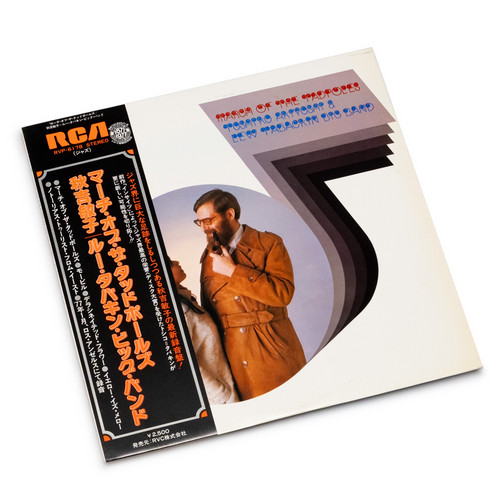
March Of The Tadpoles (LP)
Original Japanese edition on RCA of the 1977 album featuring Emil Richards. With insert and obi.
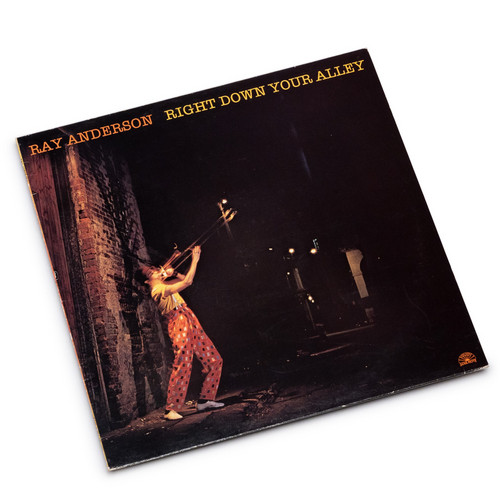
Right Down Your Alley (LP)
Original edition of the 1984 Italy-only album on Soul Note.
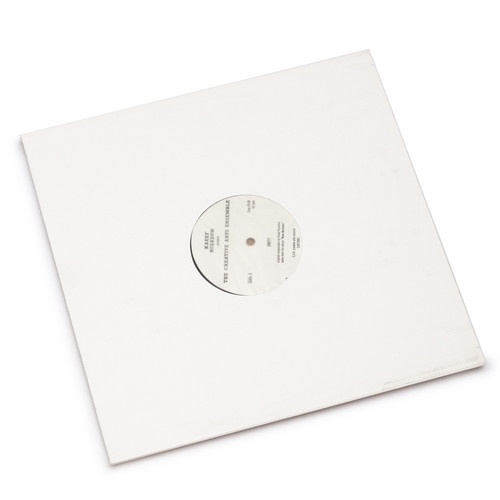
Unity / Spring Ran (12"EP)
Promotional copy with white generic sleeve of the 2019 Italy-only EP on Creative Arts Records with recordings from the 1980/90's. With press release.
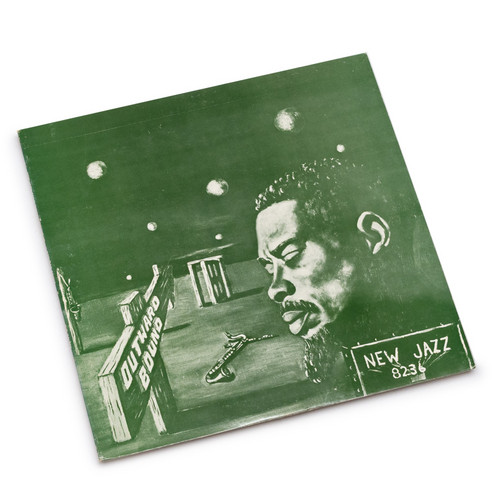
Outward Bound (LP)
1976 Japanese re-issue on Prestige's "Jazz Masterpiece Series" of the 1960 album featuring Jaki Byard and Freddie Hubbard. With insert.
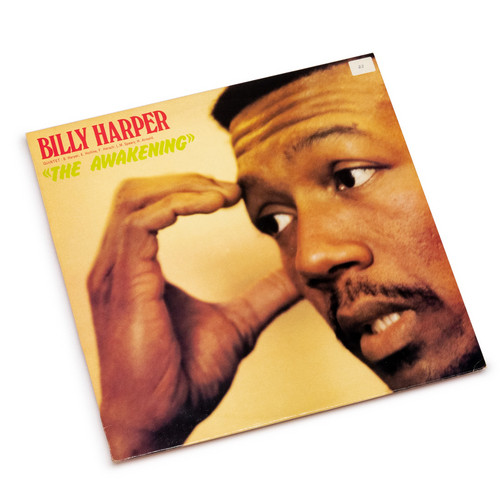
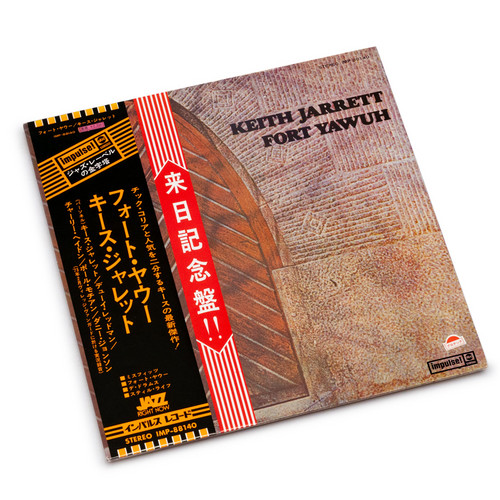
Fort Yawuh (LP)
Original Japanese edition on Impulse!/ABC of the 1973 live album featuring Charlie Haden. With insert and obi.