Albert Ayler
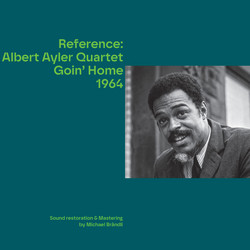
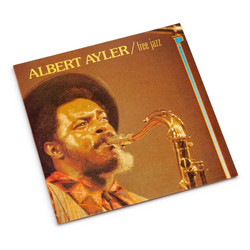
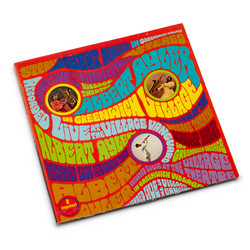
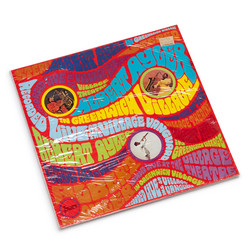
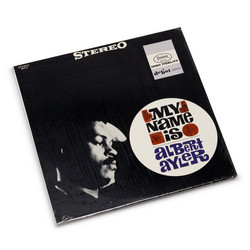
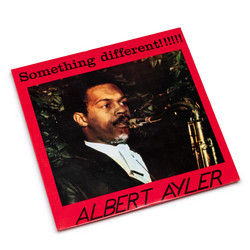
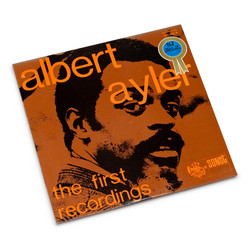
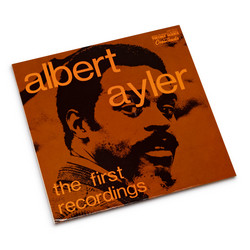
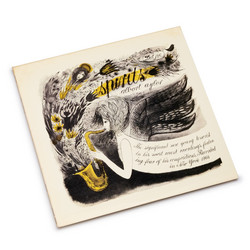
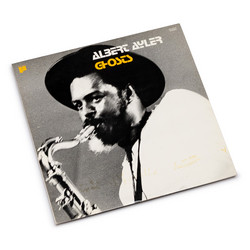
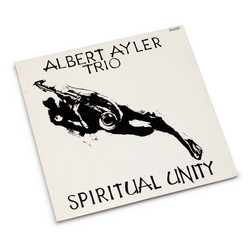
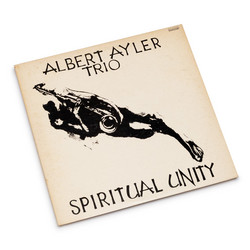
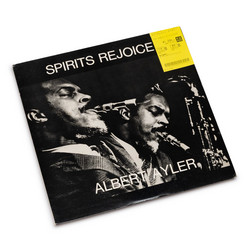
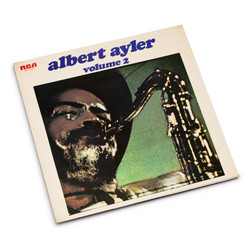
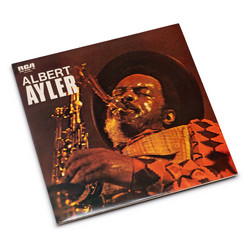
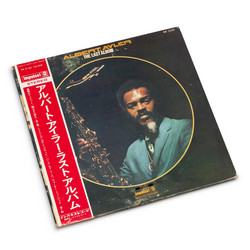
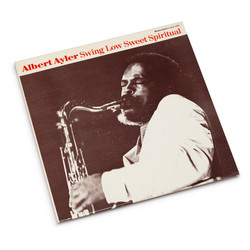
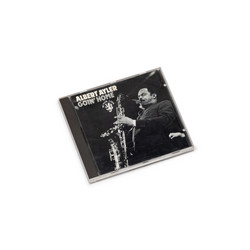
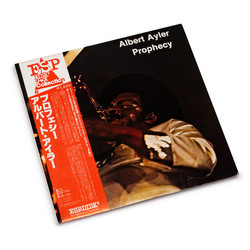
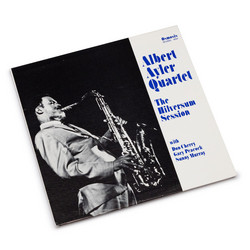
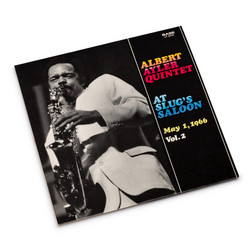
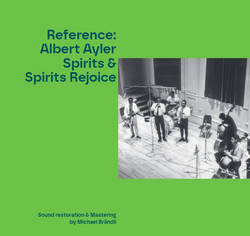
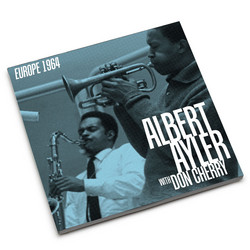
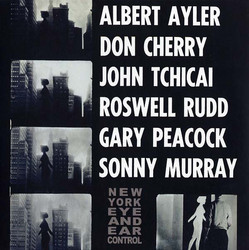
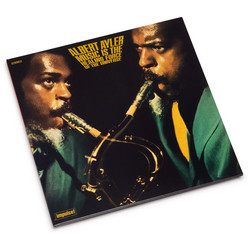
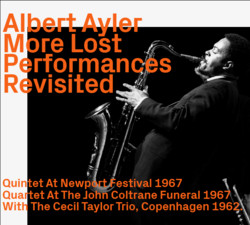
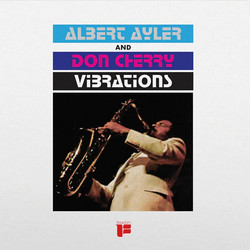
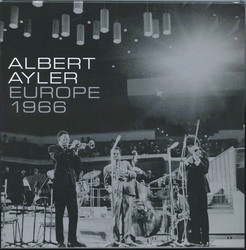
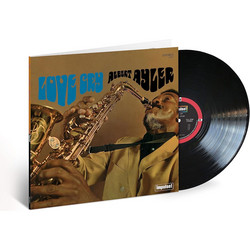
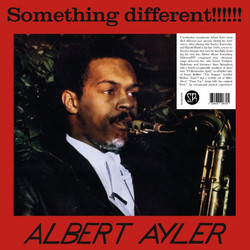
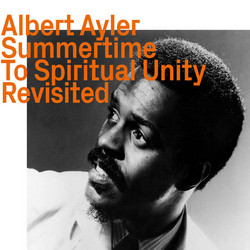
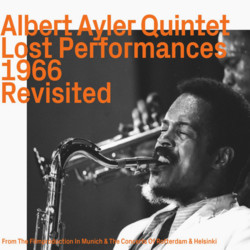
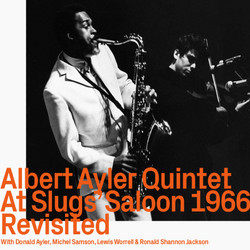
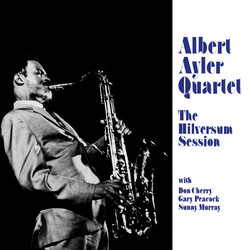
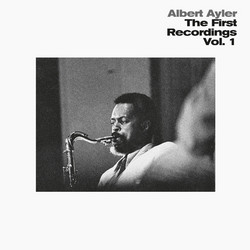
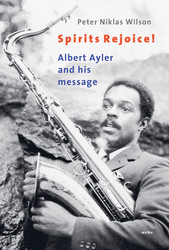
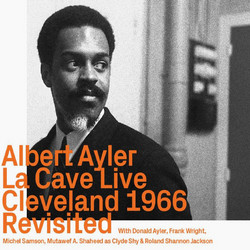
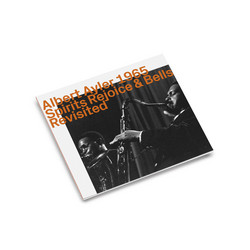
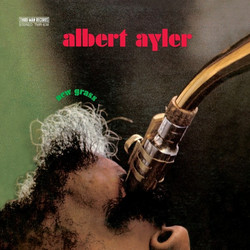
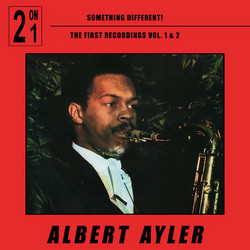
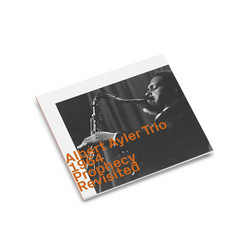
Of all the figures of free jazz, the Cleveland-born tenor saxophonist Albert Ayler (1936 to 1970) had the shortest career and one of the most radical visions. He first recorded in 1962 and was dead by 1970, drowned in New York's East River at thirty four, yet in those few years he articulated an aesthetic second only to Cecil Taylor's, a virtuoso art made out of anti-virtuoso means. Starting in rhythm and blues, he arrived in New York with a huge, keening tone and a repertoire of hymns, marches and folk tunes blown apart into pure sound; Spiritual Unity (1964) and Bells remain touchstones.
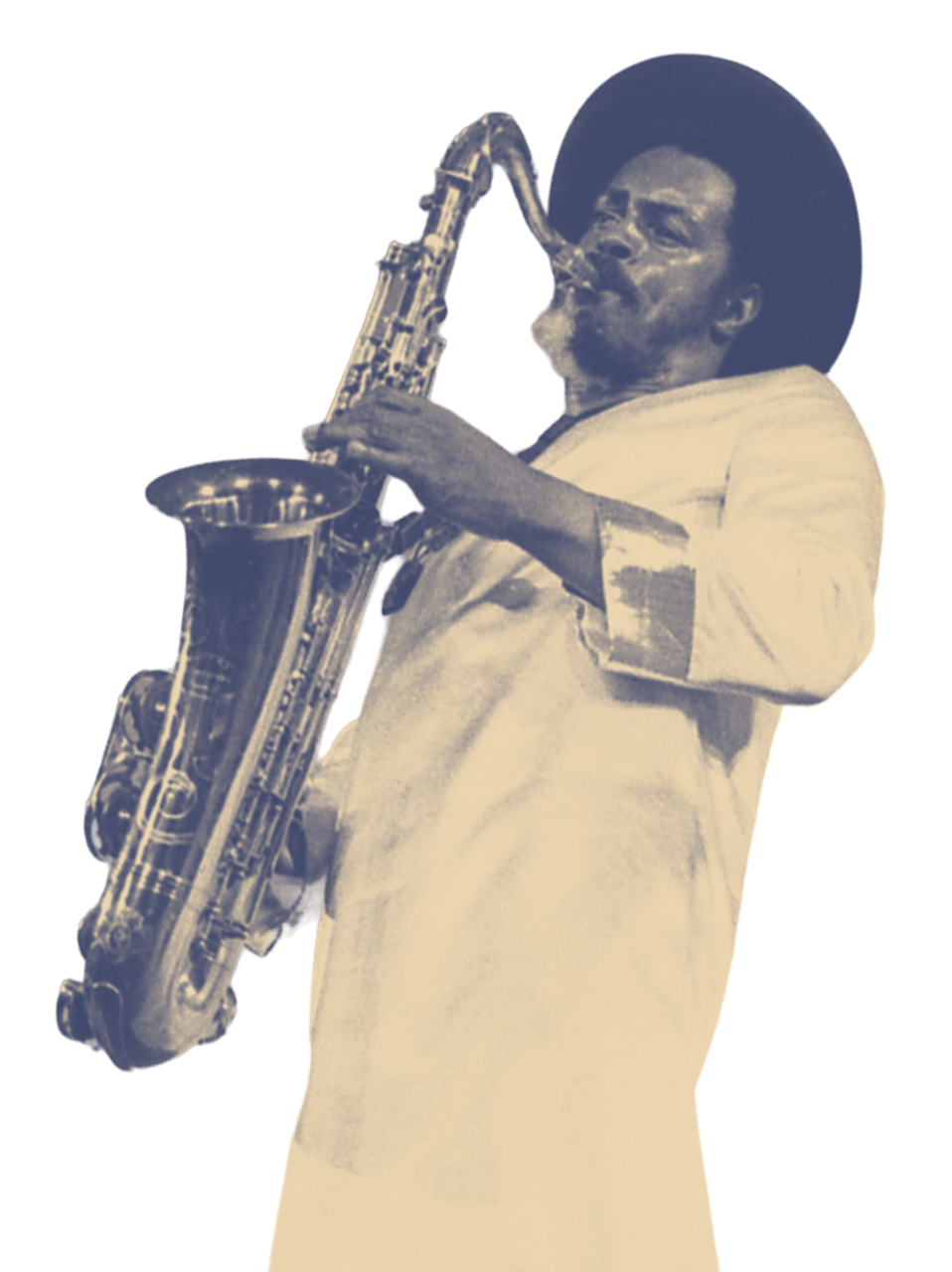
Of all the figures of free jazz, the Cleveland-born tenor saxophonist Albert Ayler (1936 to 1970) had the shortest career and one of the most radical visions. He first recorded in 1962 and was dead by 1970, drowned in New York's East River at thirty four, yet in those few years he articulated an aesthetic second only to Cecil Taylor's, a virtuoso art made out of anti-virtuoso means. Starting in rhythm and blues, he arrived in New York with a huge, keening tone and a repertoire of hymns, marches and folk tunes blown apart into pure sound; Spiritual Unity (1964) and Bells remain touchstones.