We use cookies on our website to provide you with the best experience. Most of these are essential and already present.
We do require your explicit consent to save your cart and browsing history between visits. Read about cookies we use here.
Your cart and preferences will not be saved if you leave the site.

Arvo Pärt

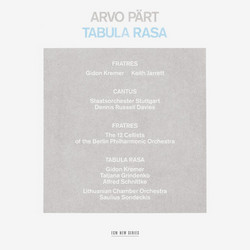
Arvo Pärt, born in Paide, Estonia, in 1935, is the most performed living composer of classical music. After years of serialism and collage, and a long silence, he found in 1976 a method he called tintinnabuli, from the sound of small bells: a melody moving stepwise against the notes of a single triad. Für Alina, Fratres, Tabula Rasa and Spiegel im Spiegel, all written between 1976 and 1978, made the style known worldwide. Continuing struggles with the Soviet authorities led him to emigrate in 1980 with his wife and their two sons, first to Vienna, where he took Austrian citizenship, then to Berlin.
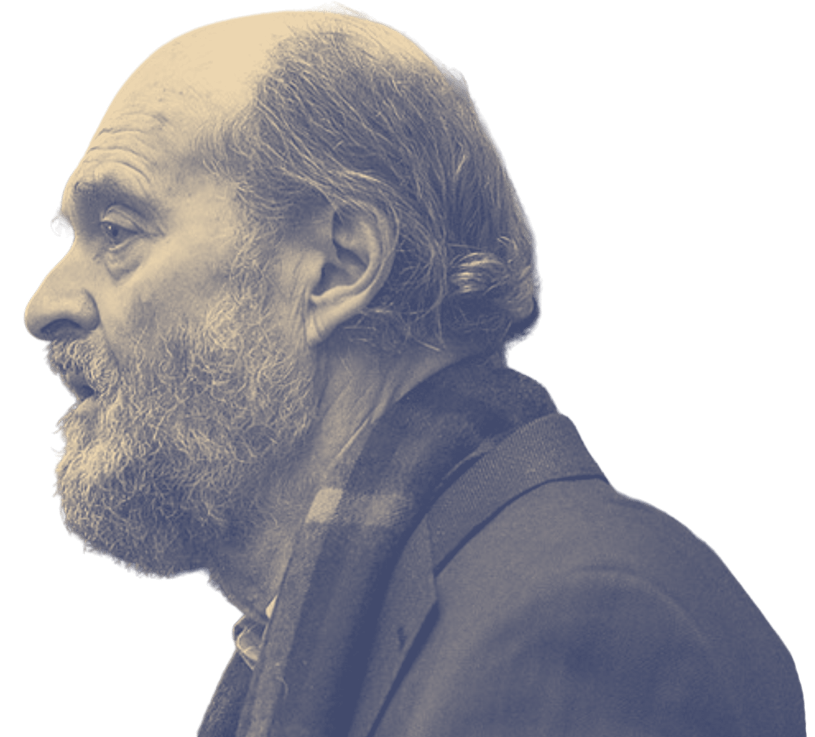
Arvo Pärt, born in Paide, Estonia, in 1935, is the most performed living composer of classical music. After years of serialism and collage, and a long silence, he found in 1976 a method he called tintinnabuli, from the sound of small bells: a melody moving stepwise against the notes of a single triad. Für Alina, Fratres, Tabula Rasa and Spiegel im Spiegel, all written between 1976 and 1978, made the style known worldwide. Continuing struggles with the Soviet authorities led him to emigrate in 1980 with his wife and their two sons, first to Vienna, where he took Austrian citizenship, then to Berlin.
1