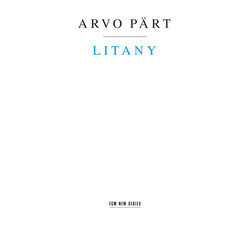
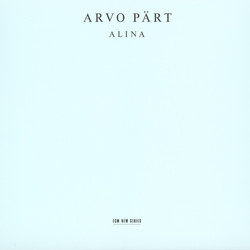
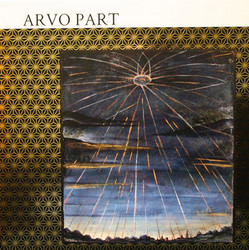
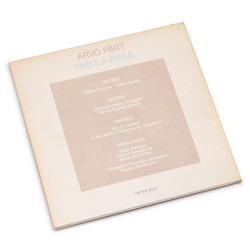
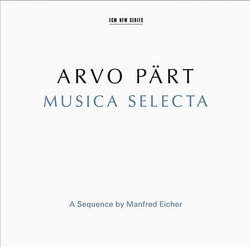
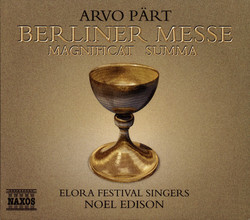
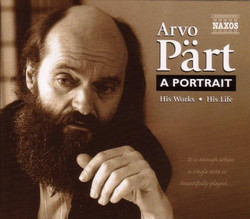
The set draws on heavyweight interpreters from the composer’s recorded history. Performances by the Estonian National Symphony Orchestra under Paavo Järvi, the Estonian Philharmonic Chamber Choir with Tõnu Kaljuste, and the Choir of King’s College, Cambridge under Stephen Cleobury sit alongside distinguished soloists such as Tasmin Little, Renaud Capuçon, Sergei Babayan, Martin Roscoe, David Goode, and others. Across this cast, the repertoire ranges from choral cornerstones like Summa and movements from Missa syllabica to orchestral and chamber works that show how Pärt’s language scales up without losing intimacy. The common thread is a focus on compositions that “invite stillness, reflection, and spiritual clarity,” pieces in which very little seems to happen on the surface, yet each small shift in harmony or register lands like a change in the light.
What distinguishes Pax from earlier compilations is the way it is framed for this moment. Liner notes and label copy underline Pärt’s music as “a universal language of peace,” rooted in simplicity and silence but resonating with a “deeper call for global harmony” at a time of heightened noise and unrest. The selections emphasise his preoccupation with compassion and the human condition: works that dwell on mercy, mourning, and quiet joy rather than on spectacle, often leaving large tracts of space around the notes so that listeners are drawn inward almost despite themselves. In this sense, the album functions as both introduction and refuge - an accessible entry point for newcomers and a concentrated, carefully paced journey for long-time followers who want to hear familiar pieces speak to a new, unsettled decade.
For listeners encountering Pärt through Pax, the record offers a map to his paradoxical stance: a composer whose music is minimalist in means but maximal in emotional implication, whose apparent austerity hides a finely tuned dramaturgy of tension and release. Heard straight through, the sequence traces a gentle arc from luminous clarity to darker, more introspective colours and back, without ever abandoning the sense that silence is the true ground on which everything rests. In packaging and presentation it is marketed as “an essential listening experience,” but the music itself undercuts any boilerplate: these works do not demand belief, only attention, and Pax gives them enough air and context that even a brief encounter can feel like a small, necessary pause in the day – a reminder that peace, in Pärt’s sense, is less an absence of conflict than a fragile practice of listening, repeated again and again