György Kurtág
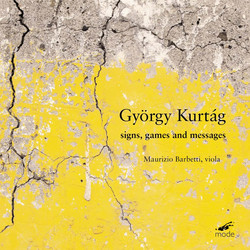
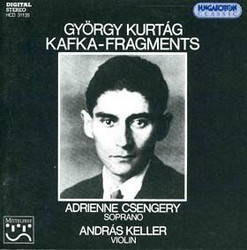
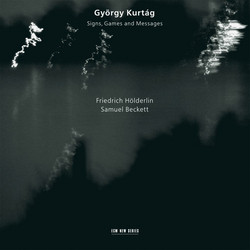
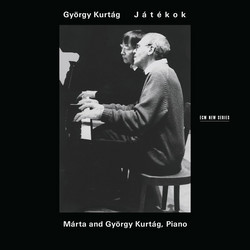
György Kurtág was born on 19 February 1926 in Lugoj, Romania. He studied piano with Pál Kadosa, composition with Sándor Veress and Ferenc Farkas and chamber music with Leó Weiner, then in Paris with Olivier Messiaen and Darius Milhaud. His music is marked by compression of scale and forces and an immediacy of expression. Works include the ten-volume collection Játékok (Games, from 1973), the song cycle Kafka Fragments, Messages of the Late Miss R.V. Troussova (1981) and the opera Fin de partie (La Scala, 2018). Mode released Signs, Games and Messages.
György Kurtág was born on 19 February 1926 in Lugoj, Romania. He studied piano with Pál Kadosa, composition with Sándor Veress and Ferenc Farkas and chamber music with Leó Weiner, then in Paris with Olivier Messiaen and Darius Milhaud. His music is marked by compression of scale and forces and an immediacy of expression. Works include the ten-volume collection Játékok (Games, from 1973), the song cycle Kafka Fragments, Messages of the Late Miss R.V. Troussova (1981) and the opera Fin de partie (La Scala, 2018). Mode released Signs, Games and Messages.