Il Pergolese takes the music of Giovanni Battista Pergolesi (1710-1736) as the ground for songs and group improvisation. It also looks at his ties to the art music and the popular music of Naples. The Neapolitan singer Maria Pia De Vito translated the text of the Stabat Mater into Neapolitan. With three ECM regulars she turns it, along with several opera arias, into open frames for a contemporary quartet. It was her first record for ECM.
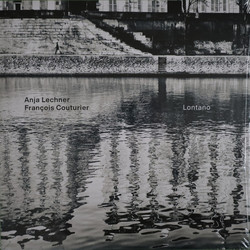
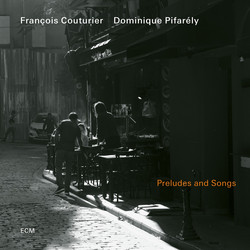
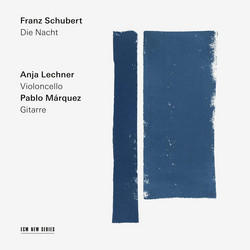
The quartet joins her voice with François Couturier on piano, Anja Lechner on cello and Michele Rabbia on percussion and electronics. Couturier and Lechner already played together in his Tarkovsky Quartet, and Rabbia had recorded for ECM with Stefano Battaglia. The project was commissioned by the Festival Pergolesi-Spontini in Jesi in 2011. This version was recorded in December 2012 at the Auditorio of Radiotelevisione svizzera in Lugano, produced by Manfred Eicher with Stefano Amerio as engineer. Couturier arranged the Pergolesi material, sharing several arrangements with the other three.
The arrangements widen Pergolesi's structures to leave room for improvisation, and the sound moves from acoustic counterpoint to sampled and live electronics. In De Vito's words from the booklet, "cello becomes voice or voice becomes an instrument". Chi disse ca la femmena, from the comic opera Lo frate 'nnamorato, is first stated simply. Then the group doubles the tempo and De Vito breaks into scat over cello and percussion. Three pieces are group improvisations, Fremente and the two parts of In compagnia d'amore, and the record ends with Couturier's own Dolente.
In Gramophone, Lindsay Kemp wrote that "this isn't 'jazzed-up' baroque but high-class contemporary improv" and called it one of the most creative projects of its kind he had heard. John Fordham in The Guardian followed the music from a straight opening into whoops, gasps and improvisation. He thought "both opera and improv listeners may find much to enjoy in it".
CD, ECM 2340, released in October 2013 and made in collaboration with RSI Rete Due, Lugano. The cover uses a detail of the frontispiece of the Raccolta nazionale delle musiche italiane.