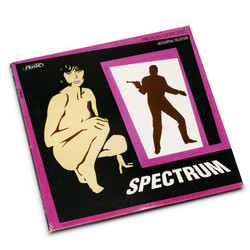
Pulsar Music Ltd.Featuring: Silvano Chimenti, Enrico Pieranunzi
Pulsar Music Ltd.
Lucky Restock - Limited Quantities. Please note: Due to extended storage, items may show minor signs of shelf wear.
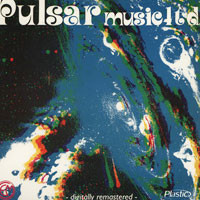
Tight drums lock into rumbling basslines. Wah-wah guitar cuts through smoky jazz arrangements. Electric piano dances across thirteen swift shots of fast-paced funk and slow-burning tension. This is Pulsar Music Ltd., one of the finest examples of Italian poliziottesco scoring and a landmark album in the career of Enrico Pieranunzi, who would go on to become one of the most celebrated jazz pianists in European history. Originally recorded in 1976 as the soundtrack to Mario Caiano's Milano Violenta, this Plastic Records reissue - digitally remastered from the original Cometa Edizioni Musicali master tapes and including a movie poster reproduction - finally brought a holy grail of Italian library music to collectors who had spent years hunting down impossibly rare original pressings.
Pulsar Music Ltd. was a short-lived jazz-funk project formed in 1976 by three exceptional musicians: pianist Enrico Pieranunzi, guitarist Silvano Chimenti, and drummer Vincenzo Restuccia. The group took its name from the neutron star, and in the mid-1970s they scored several Italian genre films together: Milano Violenta, La poliziotta fa carriera (The Policewoman Makes a Career), Taxi Girl, and La ragazza alla pari (The Au Pair Girl). Pieranunzi later reflected that the experience was both interesting and fun, given the playful spirit they brought to the sessions.
Pieranunzi, born in Rome in 1949, had studied classical music until 1973 when he became a Professor of Music, a position he held for two years before leaving to pursue jazz full-time in 1975. The son of jazz guitarist Alvaro Pieranunzi, Enrico was drawn to the piano from childhood and developed a style heavily influenced by Bill Evans - an admiration so deep that he later published the definitive biography Bill Evans: Ritratto D'Artista Con Pianoforte (2001), translated into English and French. During the mid-1970s, alongside forming Pulsar, Pieranunzi collaborated as a session musician with legendary Italian composers including Ennio Morricone and Armando Trovajoli, and served as artistic director of the jazz section at the Edipan label, founded by maestro Bruno Nicolai. His parallel career in straight-ahead jazz would soon eclipse his soundtrack work: he has since recorded over 70 albums under his own name, performed at the Village Vanguard in New York as the only Italian musician ever to lead a group there, won the French Django d'Or as Best European Jazz Musician (1997), and taken home Germany's Echo Jazz Award as Best International Keyboard Artist (2014). He has collaborated with Chet Baker, Lee Konitz, Paul Motian, Charlie Haden, Marc Johnson, Phil Woods, and Art Farmer, among many others.
His partner in Pulsar, Silvano Chimenti, brought an entirely different background to the group. Born in Taranto in 1947, Chimenti began his career with the beat group I Planets before embarking on a long and prolific career as one of Italy's most sought-after session guitarists. A founding member of I Gres, Chimenti became known for his psychedelic wah-wah work and fuzzy distortion, contributing to countless library recordings including the cult albums Droga and Sonorità Nel Lavoro (1971, with Nello Ciangherotti). He also collaborated with Bruno Battisti D'Amario on the Nike label release Chitarre Folk (1974), which featured Edda Dell'Orso's ethereal vocals. Where Pieranunzi brought conservatory training and Evans-influenced harmonic sophistication, Chimenti contributed raw psychedelic energy and funky groove sensibility.
The film they scored, Milano Violenta (released in English-speaking markets as Bloody Payroll), stars Claudio Cassinelli as a ruthless gangster nicknamed "The Cat" who, after a bungled heist, hunts down his treacherous accomplices while the police pursue everyone involved. Director Mario Caiano crafted a noir-inflected poliziottesco that stands apart from the era's more bombastic cop films, and Pulsar's score matches its cynical, nihilistic atmosphere perfectly. Tracks like "Cat Theme," "Running," "High Tension," and "Leyla Theme" (named for Cassinelli's girlfriend in the film, played by Silvia Dionisio) alternate between chase-scene urgency and seductive lounge sophistication, the kind of music that could only emerge from Italian studios in the mid-1970s, when jazz musicians moved fluidly between library work, film scoring, and their own artistic projects.