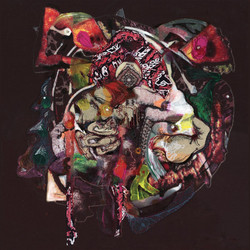
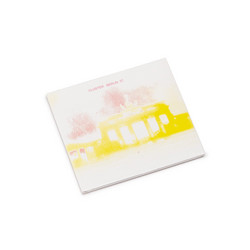
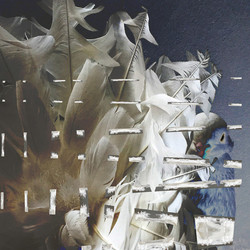
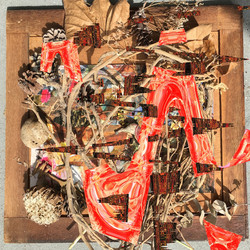
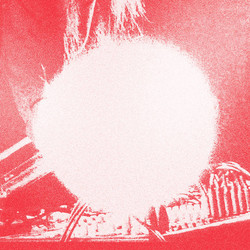
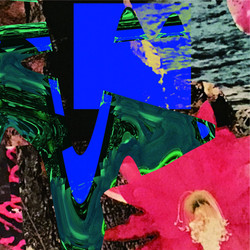
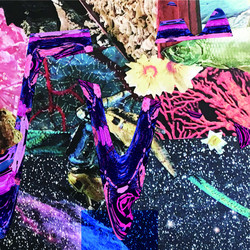
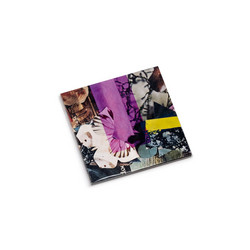
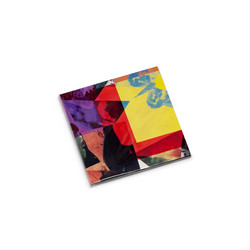
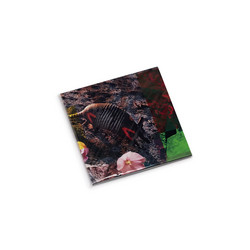
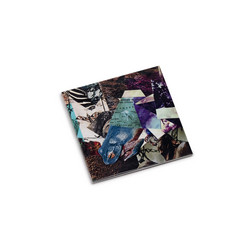
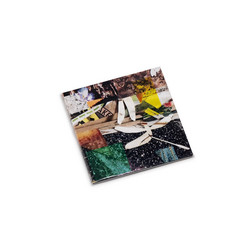
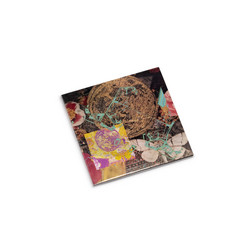
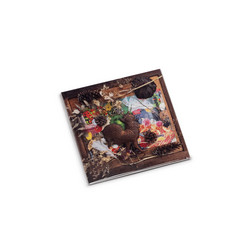
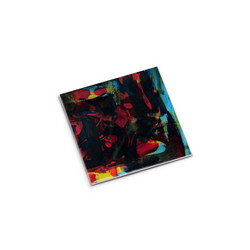
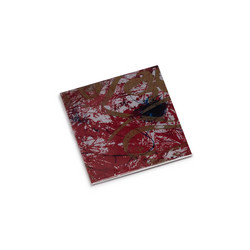
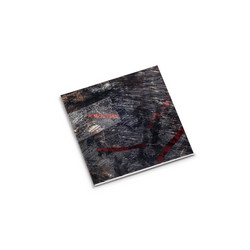
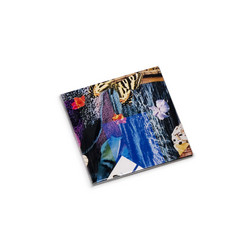
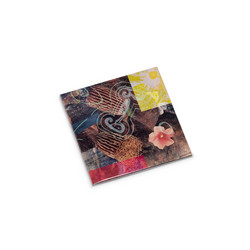
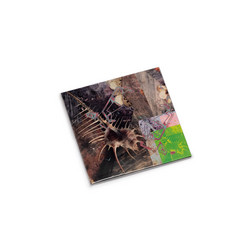
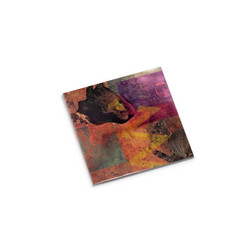
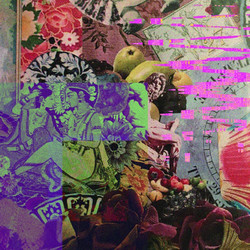
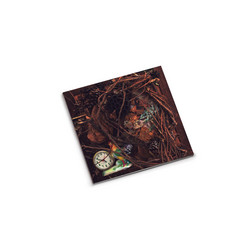
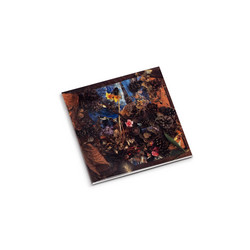
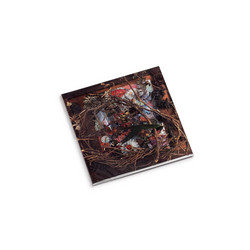
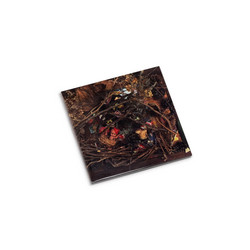
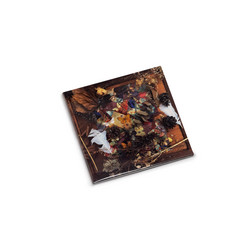
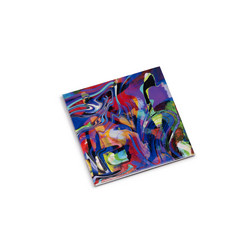
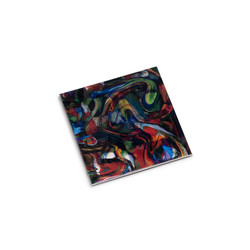
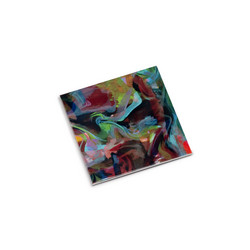
The companion volume to Sparrow Color 1 continues Merzbow's exploration of keyboard-driven synthesis, pushing the methodology established in its predecessor into bolder territory. Where the first installment introduced the parameters of this unusual approach, Sparrow Color 2 expands upon them with increased confidence and complexity, demonstrating that Masami Akita's creative restlessness knows no bounds.
The continued use of the EMS SYNTHI 'A', Moog Mother 32, and Behringer Model D creates a sonic palette distinct from Merzbow's laptop-era work—warmer, more tactile, with the unpredictable character that only analog circuits provide. The keyboard control introduces performative elements that recall Akita's earliest experiments while pointing toward future possibilities.
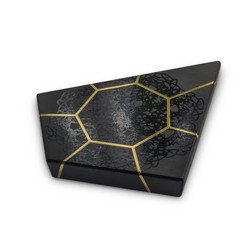
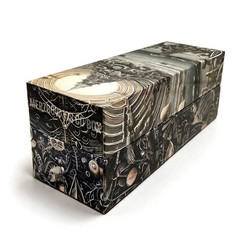
Together, these twin releases document a fascinating stylistic detour—proof that even after four decades, Masami Akita continues to discover unexplored corners within his practice. The "Sparrow Color" diptych demonstrates that reinvention need not mean abandoning one's identity; rather, it can mean finding new expressions of enduring concerns. These albums were subsequently collected alongside Kaoscitron, Indigo Dada, and Kaerutope in the 2017-2020 box set, cementing their status as essential documents of Merzbow's recent evolution.