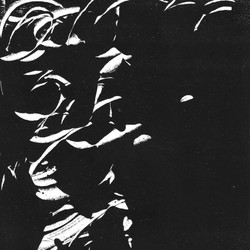
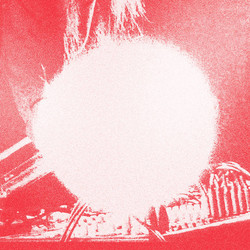
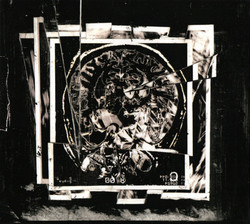
With Tropos of Entropy, MNEM returns on Satatuhatta with a work that treats decay not as a by‑product but as the main compositional engine. Positioned as the first vinyl statement since 2020’s Elyktrion, the album doesn’t chase renewal so much as deepen a long arc: sound as matter put under continuous stress, pushed until its fibres fray and its inner noise bleeds through. The title reads like a meteorological report from the thermodynamic brink - “tropos” as layer, climate, turning point - and that sense of slow but irreversible drift saturates every piece.
The record unfolds through degraded tape loops that wobble, smear and buckle, as if rescued from machines left running in some abandoned observatory. Short fragments are left to circle until their edges blur, harmonics bloom and the original signal feels half‑remembered. Around these loops MNEM builds pressurised textures: bands of mid‑range grit, sub‑bass rumble and high, needling whine that expand and contract like a faulty airlock. Rather than sudden shock tactics, the tension comes from accumulation – small changes in density and grain that gradually make the air in the room feel heavier, the stereo field more unstable.
If the surface is resolutely physical, the atmosphere is pointedly cosmic and otherworldly. These aren’t narrative “space” themes but zones where orientation is deliberately sabotaged: sounds appear to move in impossible arcs, stereo images tilt and slide, phantom pulses emerge from beating frequencies only to vanish when you try to lock onto them. It is Finnish experimental craft at a particularly refined point, where harsh noise, musique concrète and dark ambient share the same pressure chamber. Moments of near‑stillness open up inside the turmoil, brief clearings where a single tone or fragile hiss stands exposed before the next wave arrives.
Crucially, Tropos of Entropy never slips into formless churn. MNEM steers the collapse with a firm, almost ascetic logic: each side plays like a single, breathing organism, inhaling through sparse, skeletal sections and exhaling in dense, saturated blooms. The entropy here is directional, sculpted, revealing new details with each pass as layers of saturation peel back to show the mechanical ghosts underneath. For listeners who hear beauty in degradation and poise in instability, this album feels less like a “new release” and more like a new weather system settling in - an austere, corrosive, strangely luminous addition to the Satatuhatta catalogue.