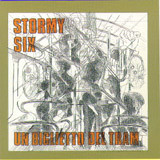
The tracklist reads like a compressed people’s history. “Stalingrado” immediately sets the tone, linking the Soviet battle to Italian working‑class consciousness and becoming, over time, a genuine anthem of the left, sung at demonstrations well beyond the rock circuit. “La fabbrica” gives voice to the shop floor, while “Arrivano gli americani” scrutinises the arrival of the Allies without myth, attentive to ambivalences and new power relations. “8 settembre” revisits the armistice and the collapse of the royal army; “Nuvole a Vinca” evokes the 1944 Nazi‑fascist massacre in the Apuan Alps, translating horror into a song that is both sober and lacerating. The closing pieces (“La sepoltura dei morti”, “Dante di Nanni”, “La bottega”, the title track) weave together individual stories and collective memory, refusing rhetoric while insisting on the political responsibility of remembering.
Musically, the album occupies a fertile middle ground between folk, rock and an almost chamber‑like attention to arrangement. Critics have emphasised how Un biglietto del tramcombines acoustic guitars, violin, mandolin, and tight vocal harmonies with electric interventions and rhythmic structures that borrow from progressive rock without losing song‑form clarity. The production is dry and close, in line with the cooperative ethic of L’Orchestra: no grandeur, no studio gloss, just the band’s voices and instruments set up to serve the words. This choice reinforces the sense of collective work - an album that sounds like a group in a room, committed to the material it is performing rather than to a pose.
Over the decades, Un biglietto del tram has come to be regarded as a classic, often cited as a “capolavoro della musica italiana” and as a symbol for an entire generation politicised in the long 1970s. Reissues and anniversary editions underline its continued relevance, while songs like “Stalingrado” and “Nuvole a Vinca” remain reference points whenever Italian song confronts the question of how to narrate history without neutralising it. In the broader trajectory of Stormy Six - which would soon move toward Rock in Opposition and more complex experimental forms - the record occupies a unique place: the moment when narrative clarity, melodic accessibility, and rigorous political thought briefly align, producing a work that still sounds, today, like a tram that cuts across time, carrying on board voices that refuse to let themselves be archived.