Sidsel Endresen, Nils Petter Molvaer, Django Bates, Jon Christensen
So I Write (Tape)
So I Write is the first album under her own name by the Norwegian singer and lyricist Sidsel Endresen, released by ECM in 1990. After a decade of soul and pop success in Oslo, she turned here to sparse, slow songs for voice, trumpet, piano and percussion. Her voice and melodic sense moved here in a more harmonically demanding and improvised direction.
Endresen had come up on the Oslo scene with the soul band Chipahua and then the Jon Eberson Group, whose debut Jive Talking (1981) topped the Norwegian charts. For this record she wrote all the words, and she worked with composers including Jon Balke, Audun Kleive and the English pianist Django Bates. Bates plays piano, Nils Petter Molvær plays trumpet, flugelhorn and percussion, and Jon Christensen plays percussion. The album was recorded in June 1990 at Rainbow Studio in Oslo, with Jan Erik Kongshaug as engineer and Manfred Eicher as producer.
There is no bassist and no drum kit, and the songs are carried by the voice with piano, horns and percussion around it. The title track, one of three with music by Balke, opens the set at nearly eight minutes. Molvær's horns open Words, while Dreamland turns a lullaby into something closer to a private mantra. Truth, with music by Eivind One Pedersen, starts from rhythmic patterns before the voice enters. The closing Horses in Rain, with music by Bates, sets Endresen's words after the poem Hester i regn by Astrid Hjertenæs Andersen.
The record divided critics. In Jazz Journal (May 1991) Simon Adams found its mood heavy and noted that Bates could not lighten it, since "her brooding presence dominates this set entirely". He singled out Molvær's solos on This Is the Movie and Dreamland. Later listeners heard it differently. Writing on ECM Reviews in 2012, Tyran Grillo described "a sound-world in which the word is its own creator". The Norwegian encyclopedia Store norske leksikon places it in chamber jazz of the familiar ECM kind.
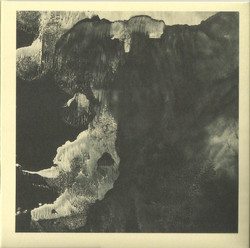
This is the cassette edition of ECM 1408, first released in 1990. Endresen's second ECM album, Exile, followed in 1994.