Michaël Levinas, Thomas KesslerFeaturing: Ensemble L'Itinéraire
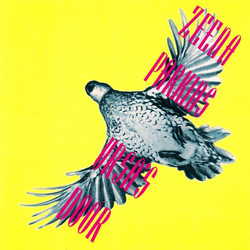
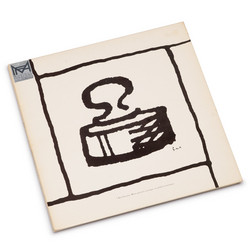
Appels / Voix Dans Un Vaisseau D'Airain / Froissements D'Ailes / Arsis Et Thésis / Lost Paradise / Violin Control (LP)
condition (record/cover): NM / NM Gatefold sleeve. Appels / Voix Dans Un Vaisseau D'Airain / Froissements D'Ailes / Arsis Et Thésis / Lost Paradise / Violin Control on INA-GRM ranks among the catalog's densest releases: six pieces, two composers, a spectrum of approaches to the relationship between acoustic instruments and electronics. Michaël Levinas, son of philosopher Emmanuel Levinas, brought to music an ethical weight few colleagues shared. The father had written of the face as site of infinite responsibility; the son explored the voice as site of similar demands.
Levinas's "appels" are vocal gestures at the edge of articulation, sounds preceding language or representing its failure. "Voix Dans Un Vaisseau D'Airain" evokes voice imprisoned in bronze, blocked communication, meaning that cannot pass through. The bronze vessel contains and distorts, transforming human utterance into something rich and strange. "Froissements d'ailes" are wing rustlings, nearly imperceptible sounds amplified until they become protagonists, fragility made monumental through electroacoustic means.
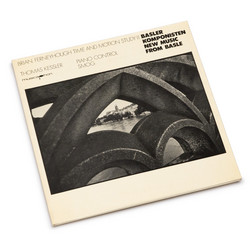
Thomas Kessler, Swiss composer active in Basel, contributes the disc's second half with more technology-oriented pieces. Arsis Et Thésis takes its title from Greek prosody, the raising and lowering of the foot in poetic meter. Lost Paradise and Violin Control explore the interface between performer and machine, that uncanny moment when it's no longer clear who controls whom. The violin triggers electronic responses; the electronics shape what the violinist plays next; feedback loops dissolve the boundary between human intention and mechanical reaction.
The INA-GRM publishes both composers under the same cover, curatorial gesture suggesting non-obvious kinships between French and Germanic aesthetics. Levinas's concerns were philosophical, almost literary; Kessler's were technological, almost scientific. Yet both shared fascination with the voice, with control, with what happens when acoustic and electronic worlds collide. The disc documents a moment when such collisions still felt dangerous, before laptop ubiquity domesticated what once seemed alien.