One of the most important jazz albums of the 1970s - finally on vinyl in its definitive edition. Julius Hemphill's Dogon A.D. is the missing link between the avant-garde and the blues, between the cotton fields and outer space. Recorded on a freezing February day in 1972 at Oliver Sain's Archway Studios in St. Louis - no heat, malfunctioning equipment, some musicians didn't even show up - and yet what emerged was nothing short of a masterpiece. An "almost accidental classic" that has haunted collectors and musicians ever since.
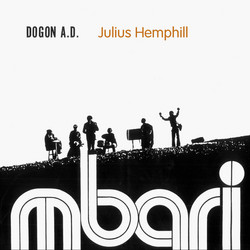
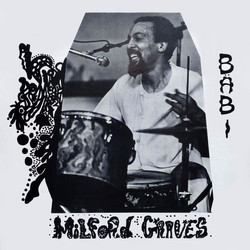
Hemphill's debut record, 1972's Dogon A.D., was self-produced for his Mbari imprint, and it was issued with a beautiful black-and-white cover. Very DIY. The label's name writ large along the bottom edge, like it was the band's name. It's a quartet record featuring Hemphill on alto and flute, with Baikida Carroll on trumpet, Abdul Wadud on cello, and Phillip Wilson on drums - a classic jazz front line/rhythm section format, but nothing conventional about the way the music sounds.
"The long track - from where the LP takes its title - is one of the key epic statements of new jazz in the era. Among its remarkable distinctions, it manages to draw on Wilson's schizoid experience having been a member of the Paul Butterfield Blues Band and the first drummer for the Art Ensemble of Chicago, in making an 11/8 rhythm into a staggeringly funky thing of joy. Over the course of fourteen and a half minutes, Hemphill builds a nearly continuous solo, his spiritual blood brother Wadud sawing the cello with a deep blues soulfulness that is raw and mantra-like in its repetitive incantation. It feels right and wrong in equal measure, the theme carrying its own piquancy with honked barnyard dissonances and some contrary motion between the horns and string. Most of all, it takes its own sweet time, in no hurry to get anywhere in particular, but out for a righteous stroll."
- John Corbett (excerpt from the liner notes)
Recorded at Archway Studios, St. Louis, MO in February 1972.