Piano Works
In stock (ships within 1-2 working days)
Tracked express shipping from Italy, no customs or import VAT in the EU. Shipping costs
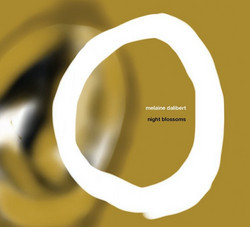
The French pianist and composer Melaine Dalibert possesses an exquisite touch and engagement with his repertoire. On this new album he tackles the stripped-down music of Greek composer Anastassis Philippakopoulos, a key member of the post-Cagean Wandelweiser Collective, tracing out the delicate, sparsely mapped notes from a dozen contemplative, spacious miniatures. The pieces are built around austere melodic fragments, all of which hang pregnant in the air, unfolding carefully before the next pattern drifts in. In every case the pianist’s timing and use of pedals enhance the resonances of each note. Dalibert never rushes, letting each tone ring out and luxuriously decay into eerie silence before moving forward.
There’s a hint of Erik Satie’s melancholic beauty in the music, but Philippakopoulos prefers to reduce his elegant themes to their raw essence, trusting in the way his elliptical lines generate a quietly enveloping atmosphere. What might feel ascetic at first glance blossoms into a gorgeously meditative environment, transformed by Dalibert’s impressive sensitivity.