Various Artists
Various Artists - My Heart is Dust Before Him: 21st Century Gasba from Algeria (LP)
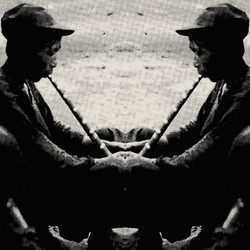
Across western Algeria, the gasba, a reed flute central to Bedouin folk traditions and ceremonial music, continues to appear in new forms. Once associated primarily with saint festivals and trance rituals, its distinctive hypnotic sound now sits alongside the drum machines, synths and electronic textures of contemporary raï.
The recordings collected here come from Oran, the port city of Western Algeria widely regarded as the birthplace of raï. Before raï became an international pop phenomenon, its foundations were rooted in older Bedouin musical traditions from the surrounding countryside: gasba flute melodies, guellal drum rhythms, improvised folk poetry and songs performed at weddings, zerdas and informal gatherings. Many of the musical and emotional qualities later associated with raï, repetition, directness, ecstatic intensity and the use of everyday language, emerged from these rural forms.
Raï developed in Oran during the late colonial period as a music of working-class and marginal communities, drawing together Bedouin traditions with urban cabaret culture and, later, Western instrumentation and electronic production. Its lyrics openly addressed themes of love, migration, poverty, frustration and social hypocrisy, often placing it at odds with both colonial authorities and later the post-independence Algerian state. During the 1980s and 1990s, raï became tied to youth culture and dissent, thriving through a boom in small production houses and cassette labels while surviving censorship and political repression and continuing to evolve musically.
While the polished pop-raï sound became internationally recognised during the '80s and '90s, local cassette production also facilitated the development of a parallel sound more rooted in tradition. In these recordings, the gasba intersects with the auto-tuned vocals of the Cheikhs and Cheikhas, home-keyboard arrangements and electronic rhythms, resulting in music that feels both deeply rooted and unmistakably contemporary.