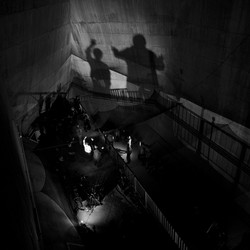
The elephant graveyard is a myth. No confirmed site exists, no documented mass of bones gathered in a hidden clearing. And yet the image persists - in literature, in cinema, in the collective imagination of what wild and remote nature might conceal. It is precisely this space between myth and evidence, between the archive and the unknown, that Carlos Casas moves into with Cemetery [Archive Works]. Since 2001, the Barcelona-born filmmaker and visual artist has built one of the most rigorous and expansive bodies of work at the intersection of documentary cinema, sound ethnography, and installation art. His END Trilogy - three films dedicated to the planet's most extreme environments, Patagonia, the Aral Sea, Siberia - earned him recognition at festivals from Venice to Buenos Aires to Mexico City, while his parallel Fieldworks series developed a complementary practice: ambient video and field recording treated as spatial instruments, VLF radio signals and atmospheric frequencies captured on location and used not as illustration but as primary perceptual material. The Archive Works series, developed alongside the films, operates through a different logic entirely - not field capture but found footage, not the landscape encountered but the landscape already imagined, already filmed, already encoded in the cinema's own history.
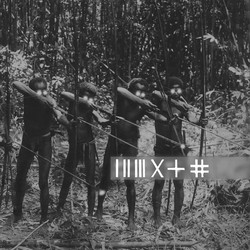
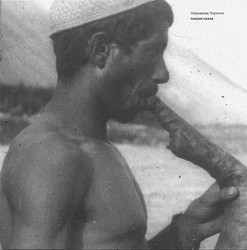
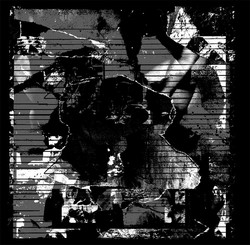
Cemetery [Archive Works] (AW#04) draws its source material from the golden period of adventure cinema: S. Van Dyke's Tarzan (1932), The Jungle Book (1942), Zoltan Korda's Elephant Boy, Merian C. Cooper and Ernest B. Schoedsack's Chang (1927). These films constructed a particular image of nature - exotic, impenetrable, populated by myth - that shaped entire generations of Western imagination. Casas subjects them to what the àngels barcelona gallery described as an audiovisual alchemical process: their times dismantled, their narrative modalities inverted, their colours, textures, and formal structures broken open and reassembled. The result is neither documentary nor fiction nor found-footage collage in any conventional sense, but something closer to what Casas himself calls preparatory sketches - autonomous works that carry their own weight independently of the film they are moving toward, notes toward a cinema not yet made.
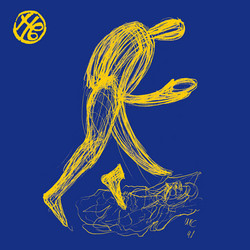
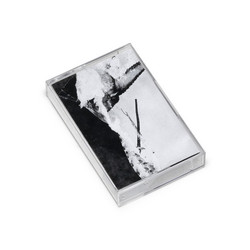
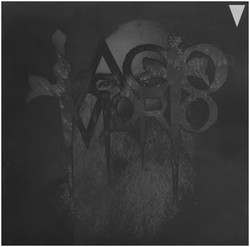
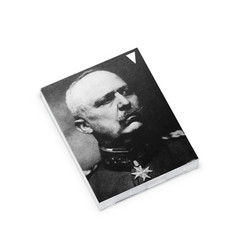
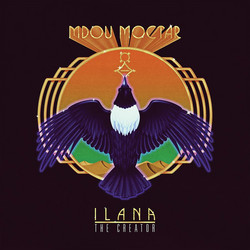
That final film - Cemetery - would eventually materialise and be presented at institutions including Tate Modern, Fondation Cartier, Centre Pompidou, and HangarBicocca. Cemetery [Archive Works], issued as VON009 by the Italian imprint Von in 2010 alongside Vezdekhod and John Duncan's The Tailing, belongs to an earlier and more open moment in that process: the research rendered visible, the myth held up to the light before the image is fixed. An overwhelming experiment with audiovisual matter.