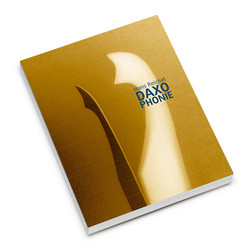
Small repress available. Black Truffle is thrilled to announce Dalbergia Retusa – a truly extraordinary double LP selection of solo guitar music by Hans Reichel, carefully curated by Oren Ambarchi. This is essential listening for anyone serious about experimental music. Ceative music of the highest standards, full stop. Reichel (1949-2011) stands as one of the great figures of experimental guitar – yet somehow remains lesser known than peers like Derek Bailey, Fred Frith, or Keith Rowe. But here's the thing: his rethinking of the instrument was arguably the most radical of them all. Early on, he dispensed with existing guitars entirely, building his own series of instruments that explored additional strings, fretboards, moveable pickups, extra bridges, and custom capos. The extensive booklet accompanying this release documents these innovations beautifully – a real treasure trove for understanding how instrument invention shaped sonic possibility.
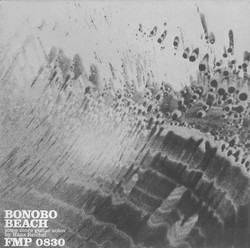
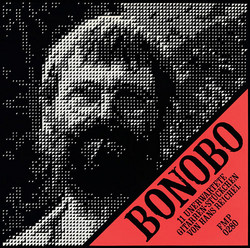
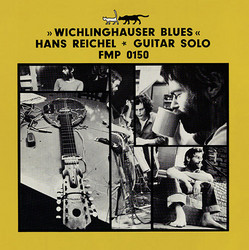
A long-term resident of Wuppertal, that unlikely European free jazz centre of the late 1960s, Reichel belonged to the same vibrant community as Peter Brötzmann and Peter Kowald. His solo debut Wichlinghauser Blues launched his relationship with FMP – a label born as an outlet for roaring European free jazz. As Reichel himself notes in the charming archival interview included here, he was "always a cuckoo's egg at FMP." What strikes immediately on opening Dalbergia Retusa – the very first selection, Return of the Knödler show from 1987's The Dawn of Dachsman – is the extraordinary beauty of his music. At once deeply alien in the shimmering sonorities and unconventional pitch relationships made possible by his invented instruments, yet profoundly lyrical and even romantic in its harmonic content.
West German upbringing in the 1960s meant Reichel's formative influences were primarily British and American rock bands – a background shining through clearly in many pieces here. An old friend passes by is haunted by the ghost of Hendrix's rhythm guitar work. The wild closer Heimkehr der Holzböcke – a rare 1975 7" and the only piece using overdubbing – layers errant hammer-on and slide tones over a Canned Heat boogie chug. These moments remind us that serious experimental music doesn't exist in some sterile vacuum – it breathes, it feels, it connects.
Ambarchi – himself an innovator of extended electric guitar – selected this material thoughtfully. Appropriately, the collection opens with the very first Reichel piece he ever encountered: a flexidisc from a 1989 Guitar Player magazine issue. The 23 pieces here, drawn exclusively from solo performances recorded between 1973 and 1988, showcase the full range of his work and its development hand-in-hand with his instrument innovations. Early pieces feature an 11-string instrument (partly strung with piano strings, using a schnapps glass as a slide!) where intensive fret-hammering creates zither-like, chiming tones – techniques Reichel would refine throughout the 1970s and 80s with increasingly specialized instruments. Records from Death of the Rare Bird Ymir showcase two steel-string acoustic guitars played simultaneously with beautiful, sometimes "too beautiful" results, as Reichel jokingly notes. Many 1980s pieces employ varieties of the "pick behind the bridge guitar" – instruments of uncanny harmonic richness designed specifically to be played on the wrong side of the bridge. At times the unexpected behaviour of attacks, resonance, and decay seems almost electronic, conjuring the technology-assisted work of Henry Kaiser or Fennesz – but realized purely through Reichel's unorthodox techniques on his self-invented instruments.