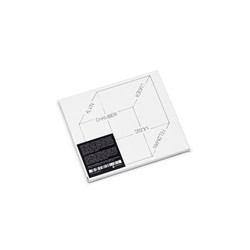
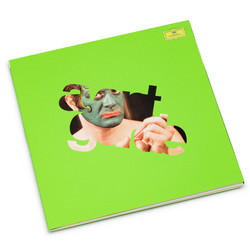
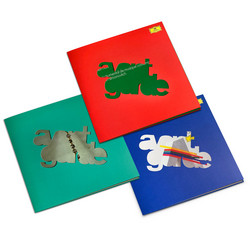
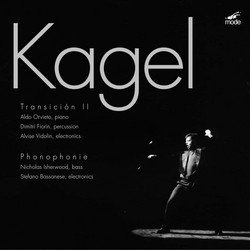
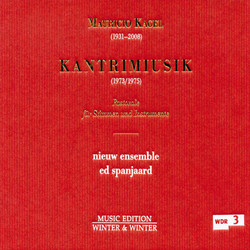
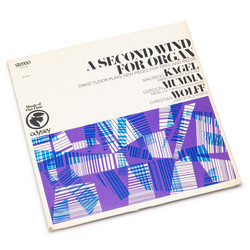
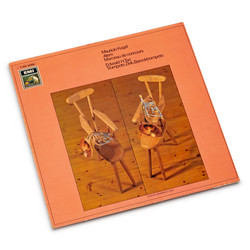
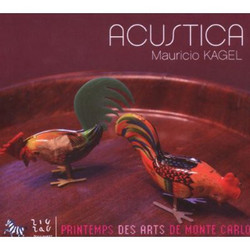
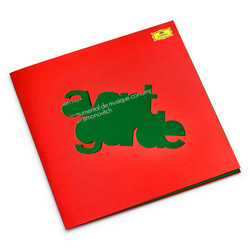
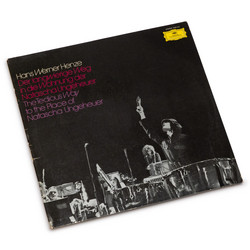
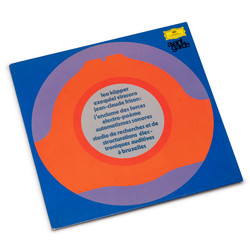
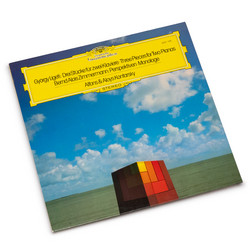
Composed between 1968 and 1970 and originally issued by Deutsche Grammophon in 1972, there are arguably few works within the canon of 20th Century experimental music as beloved and sought after as the Argentine composer Mauricio Kagel’s Acustica. Created for “experimental sound-producers and loudspeakers”, comprising electroacoustic material assembled on 4-track tape in 1969 at Westdeutscher Rundfunk (WDR) in Cologne, and acoustic material for 2 to 5 musicians, scored over roughly 200 filing-cards, the piece stands among the composer’s most ambitious works: a sprawling tapestry of timbral, textural, and tonal events and conjunctions, rooted within his radical conception of 'instrumental theatre’. Extending across four sides of two LPs, of Acustica Kagel stated “One of the fundamental thoughts behind this composition is expressed in the actual invention of the sound-sources: new instruments as self-evident supplements to currently existent sound-makers (together with experimental acoustical equipment, the manipulation of which presupposes a diverse musical faculty)”.
A towering composition with almost no equivalent anywhere, Acustica stands as a shining emblem of the creative possibilities opened by the 20th Century avant-garde, as well as a distinct expression of the composer’s sonic anarchism: highly considered and ordered, while activating unparalleled freedom of navigation for the performers and listeners alike.