Tracked express shipping from Italy, no customs or import VAT in the EU. Shipping costs
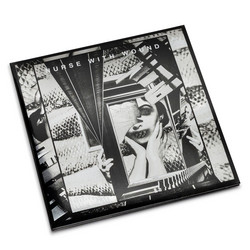
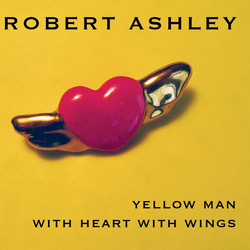
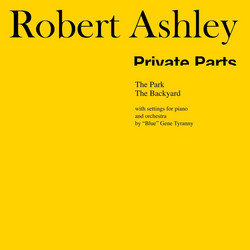
Rare original edition on Lovely Music of the first installment of the 1978 revolutionary and extraordinarily beautiful electronic opera for television Private Parts, released in 1978, an essential masterpiece. Yellow cover version.
condition (record/cover): NM / EX (2" bottom seam split)
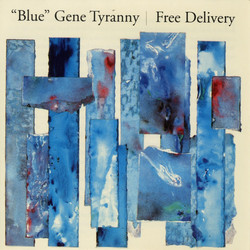
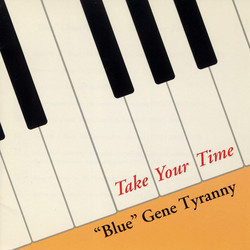
The first record on Mimi Johnson's newly minted Lovely Music label. Recorded at the Mills College Center for Contemporary Music in July 1977. Two side-long monologues, The Park (A) and The Backyard (B), delivered by Ashley in his Midwestern speaking voice with no theatrical projection. "Blue" Gene Tyranny (Robert Sheff) plays piano, Polymoog and Clavinet; Krishna Bhatt, credited as "Kris," plays tabla.
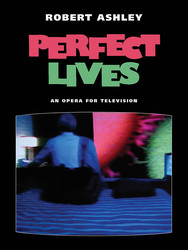
The text is not exactly narrative, not exactly poetry: overheard fragments and declarative non-sequiturs that build a portrait of two unnamed figures (a man in a hotel room, two men on a park bench). Both pieces later became the opening and closing episodes of Perfect Lives, broadcast on Channel 4 in 1984. Sleeve by Ariel Peeri, yellow and grey variants. Ashley was co-founder of the ONCE Group and the Sonic Arts Union.
Recorded at The Recording Studio, Center for Contemporary Music, Mills College (Oakland, California), July, 1977.
Jacket comes in yellow and grey color variations
The tabla player credited as "Kris" is actually Krishna Bhatt (Source: Gann, Kyle: "Robert Ashley", University of Illinois Press, 2012 pg 55).
“The record is both bewitching and not quite like anything else out there, then or now, and while the context is fascinating in its own right this is also the kind of work that rewards being encountered on its own singular terms.”