★Mode
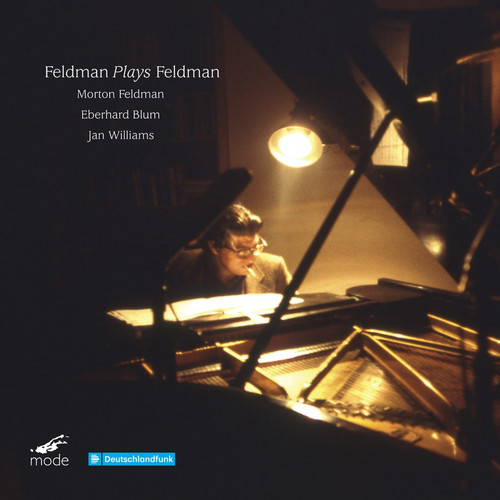
Feldman Edition 15: Morton Feldman Plays Feldman
Morton Feldman plays piano in a 1978 Deutschlandfunk concert recorded in Cologne, with flutist Eberhard Blum and percussionist Jan Williams: Why Patterns?, Extensions 3, Intermission 5 and The King of Denmark.

New Colombian Music for Saxophone Quartet
Three first recordings of works for saxophone quartet by Colombian composers Juan Antonio Cuéllar, Carolina Noguera and Rodolfo Acosta, performed by the Madrid-based Sigma Project in composer-supervised sessions.

Crow on the Dark Side of Gloss
First recordings of two long microtonal works by Kraig Grady, The Molten Wind and Crow on the Dark Side of Gloss, built from individually recorded single notes played by an international group of soloists in Grady's just-intonation tunings.
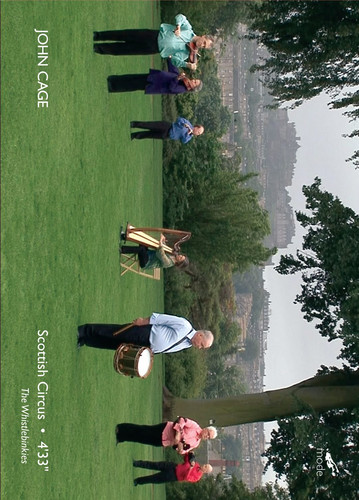
Scottish Circus
Two first recordings of John Cage's Scottish Circus (1990) with the Scottish traditional group The Whistlebinkies, plus indoor and outdoor versions of 4'33" for ensemble, recorded at Inverleith House in Edinburgh on DVD with bonus interviews.
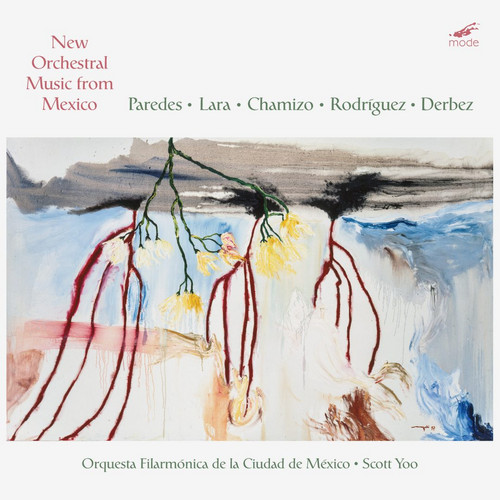
New Orchestral Music from Mexico
Five world premiere recordings of orchestral works by Mexican composers Hilda Paredes, Ana Lara, Andrea Chamizo, Marcela Rodríguez and Georgina Derbez, with the Mexico City Philharmonic Orchestra conducted by Scott Yoo.
Revolutions
A long-form drone piece by David First built on the 16th to 32nd harmonics of G, performed by the twelve-member ensemble The Western Enisphere, with liner notes by Sarah Hennies.
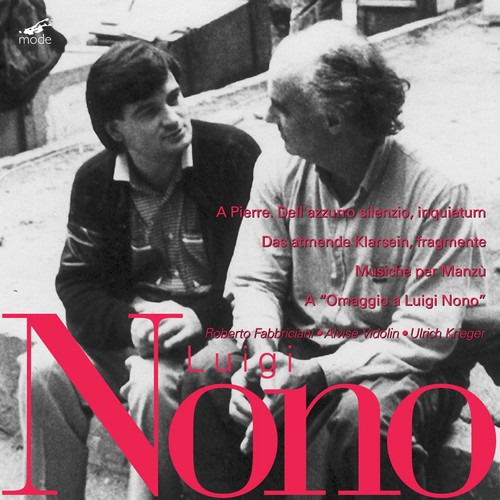
Luigi Nono Volume 2: Works with Flute
Works by Luigi Nono for flute and live electronics from his 1980s collaboration with Roberto Fabbriciani, with Musiche per Manzù for tape (1969) and Fabbriciani's own tribute for piccolo, Omaggio a Luigi Nono.
Night, falling
Two-CD set of works by Gerald Eckert, mostly for orchestra and often with live electronics, performed by Ensemble Reflexion K and the norddeutsche sinfonietta, with the composer as cellist and conductor.
Actions – Remarks: John Cage’s Variations
Book edited by Cat Hope and Lindsay Vickery on John Cage's eight Variations (1958-76), with a CD of the complete Variations performed by the Australian ensemble Decibel using annotated digital scores, acoustic instruments and electronics.
Beginner's Mind
First reissue of Walter Zimmermann's solo piano work Beginner's Mind, played by Herbert Henck and first released in 1978 on Beginner Records. The CD adds Abgeschiedenheit, after Meister Eckhart, released for the first time.
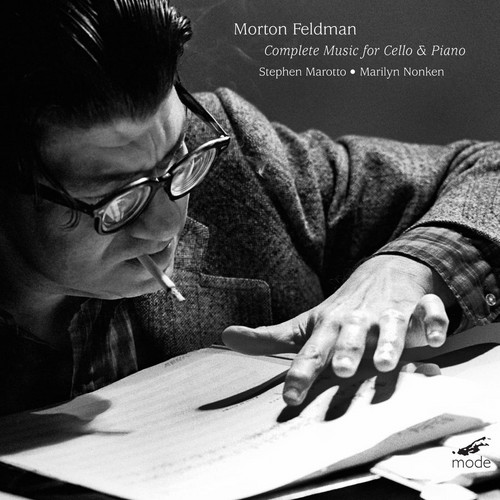
Feldman Edition 14: Complete Music for Cello & Piano
The complete music for cello and piano by Morton Feldman, played by cellist Stephen Marotto and pianist Marilyn Nonken, including unpublished pieces, a first recording of the 1946 Sonatina and the 89-minute Patterns in a Chromatic Field (1981).
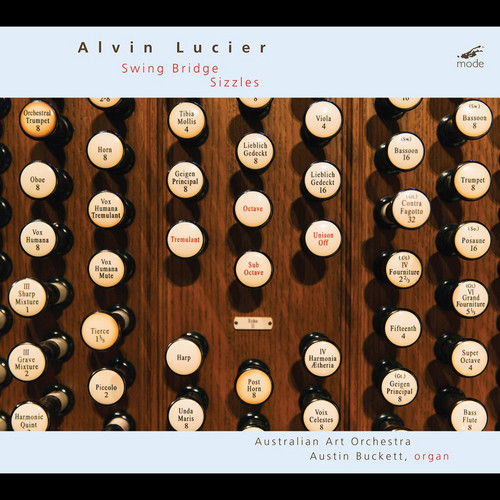
Swing Bridge; Sizzles
First recordings of two Alvin Lucier works centred on the pipe organ: Swing Bridge (2015) for organ, ensemble and pipe wavers, played by the Australian Art Orchestra with Austin Buckett, and Sizzles (1997) for organ and drums.
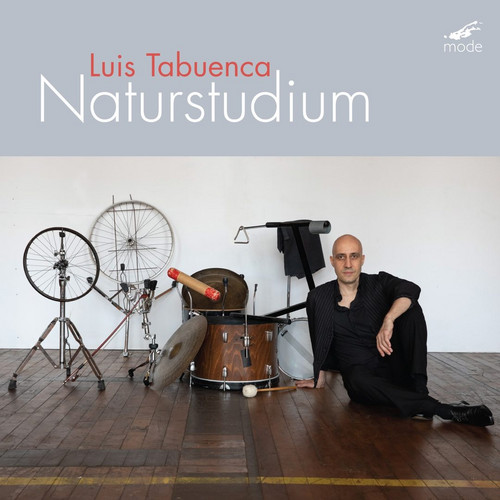
Insula Dulcamara
Six first recordings for solo percussion by Luis Tabuenca, each named after a work by Paul Klee, played acoustically with no electronics beyond amplification, with liner notes by Steven Schick.
Héliophonie
Two first recordings of electroacoustic works by Gerard Pape for 8-channel tape: Vers la lumière II, dedicated to Ana-Maria Avram, and Héliophonie, written for the solar eclipse of 29 March 2006. Binaural release, stereo compatible.
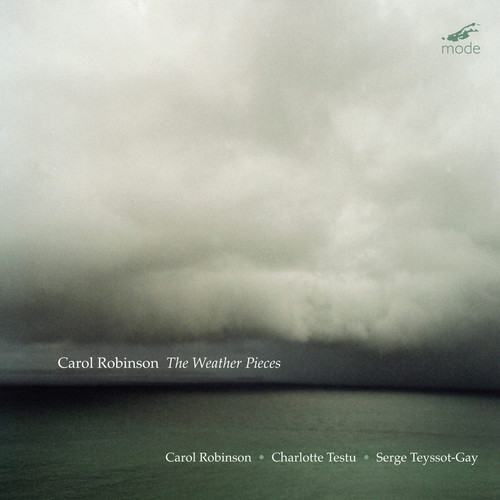
The Weather Pieces
Three world premiere recordings by Carol Robinson that pair a live soloist (basset horn, double bass, electric guitar) with computer music, each inspired by weather: a winter thaw, a green sky over South Dakota and a hurricane.
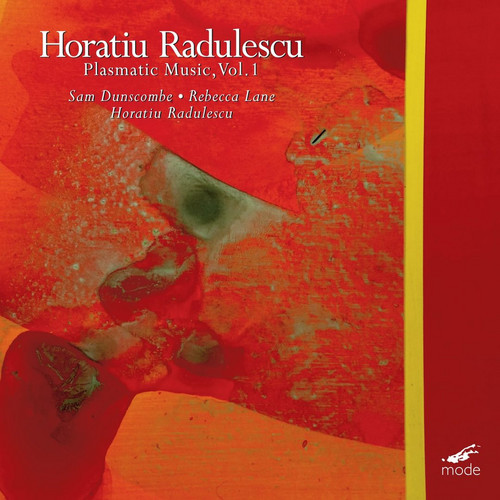
Plasmatic Music, Vol. 1
Three works from Horatiu Radulescu's Sound Plasma period, played by Sam Dunscombe and Rebecca Lane: Capricorn's Nostalgic Crickets, Small Infinities' Togetherness and Opus 42, Inner Time / Outer Time. Volume 4 of Mode's Radulescu Edition.
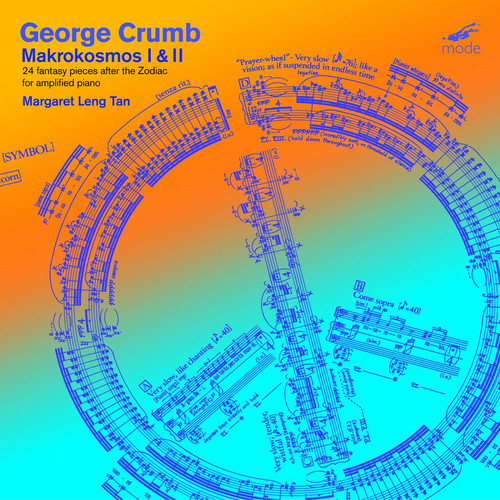
Makrokosmos
George Crumb's Makrokosmos, Books I and II (1972-73), both complete on one disc, in composer-supervised recordings by pianist Margaret Leng Tan, a leading exponent of extended piano techniques.
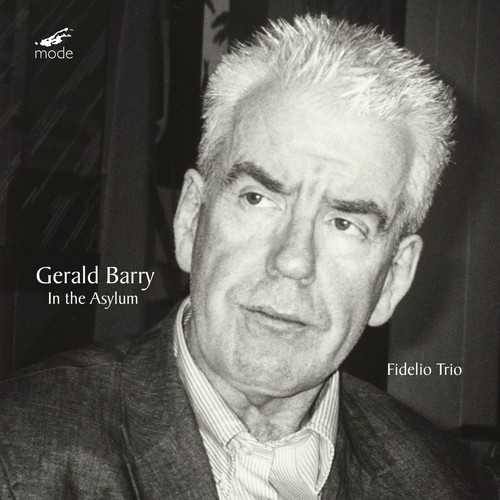
In the Asylum
Chamber works by Irish composer Gerald Barry for solo piano, violin and piano, piano trio and piano quartet, played by the Fidelio Trio with Rose Redgrave and the composer. All but In the Asylum are first recordings.
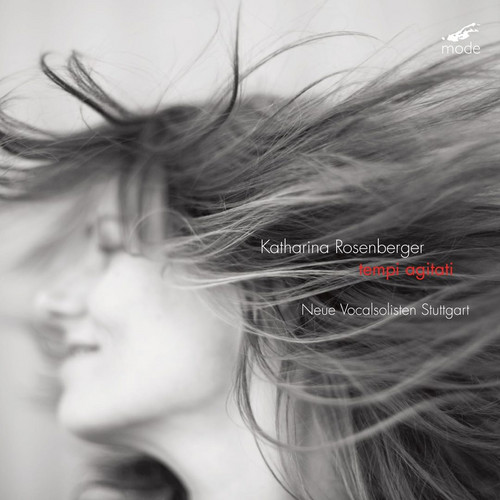
Tempi Agitati
Katharina Rosenberger's Tempi Agitati, a vocal work for Neue Vocalsolisten Stuttgart that sets Petrarch's texts alongside madrigals by Willaert and Rore, using extended vocal techniques. Complete Petrarch texts are included.
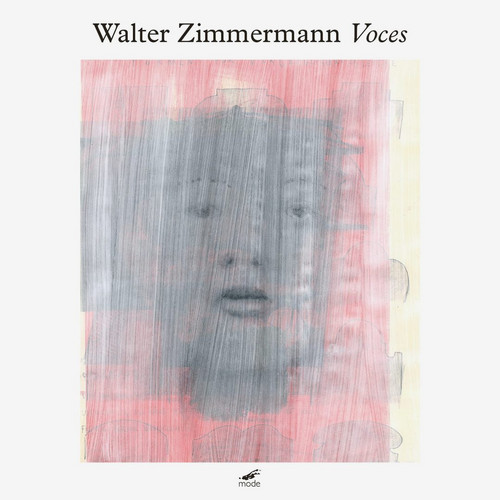
Voces
Three CDs and a 144-page book of Walter Zimmermann's vocal music from 1979-2016, on texts by Eckhart, Hadewijch, Mandelstam, Jabès, Creeley and others, with a 1982 rock and new music band recording, Freunde.
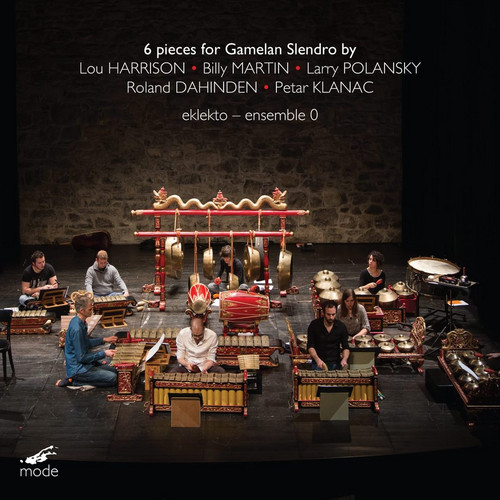
6 Pieces for Gamelan Slendro
Six pieces for gamelan slendro by Lou Harrison, Larry Polansky, Petar Klanac, Billy Martin and Roland Dahinden, played by the French ensemble 0, the Swiss percussion group Eklekto and Gamelan Oksitan.
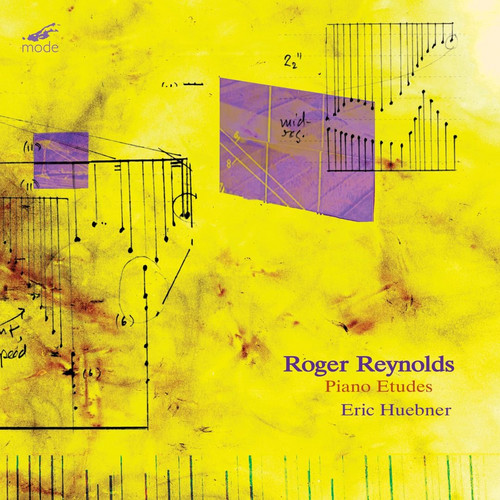
Roger Reynolds at 85, Vol II: Piano Etudes
First recording of the twelve Piano Etudes by Roger Reynolds, in two Books written in 2010-11 and 2016-17, played by Eric Huebner. Second of two volumes celebrating the composer at 85.
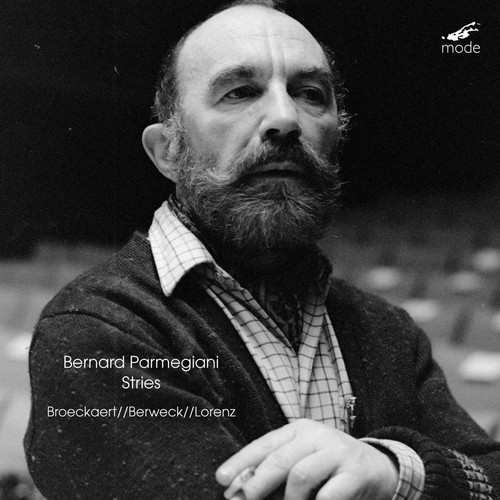
Stries
First complete recording of Bernard Parmegiani's Stries (1980) for three synthesizers and tape, reconstructed and performed by Colette Broeckaert, Sebastian Berweck and Martin Lorenz from the original score and tapes in the INA/GRM archives.
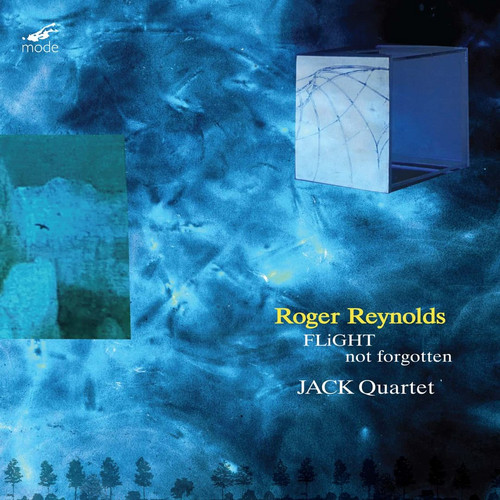
Roger Reynolds at 85, Vol 1: String Quartets
First recordings of Roger Reynolds's recent string quartets FLiGHT (2012-16) and not forgotten (2007-10), by the JACK Quartet under the composer's supervision. First of two volumes marking his 85th birthday.

Memory in Motion: Percussion in Surround
Five works for six or four percussionists in surround sound: Xenakis's Persephassa, Mâche's Aera, Zihua Tan's Sorites and two pieces by Alcides Lanza, played by the Music in Motion Ensemble directed by Aiyun Huang.
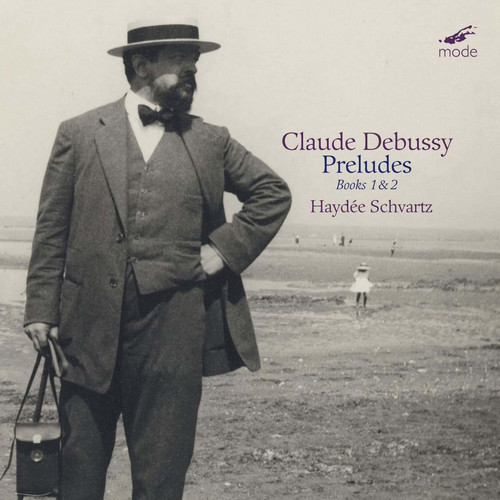
Preludes: Books 1 & 2
Claude Debussy's two books of Preludes played by Argentine pianist Haydée Schvartz, on 2CD with bonus tracks including a song with baritone Bryan Church. Awarded the 2021 Premio Gardel for Best Classical Album.
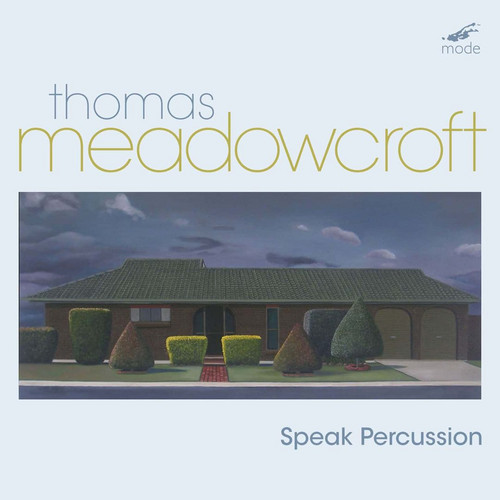
Percussion Works
Four percussion works by Australian composer Thomas Meadowcroft, 2000-2011, played by Speak Percussion: The Great Knot, Cradles, Plain Moving Landfill and Home Organs, using junk and domestic instruments such as electric organs and drum machines.
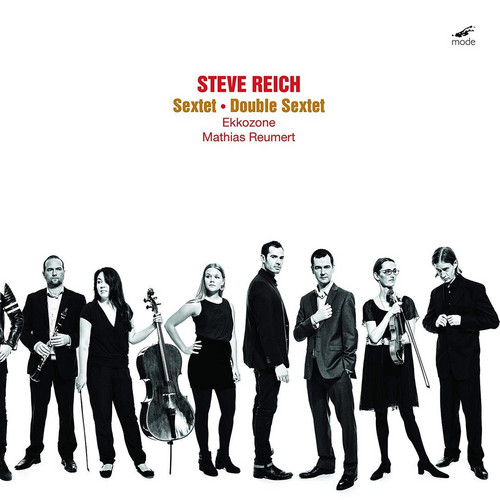
Sextet & Double Sextet
Steve Reich's Sextet (1984) and the Pulitzer Prize winning Double Sextet (2007) together on one release for the first time, played by the Danish ensemble Ekkozone under percussionist and conductor Mathias Reumert.
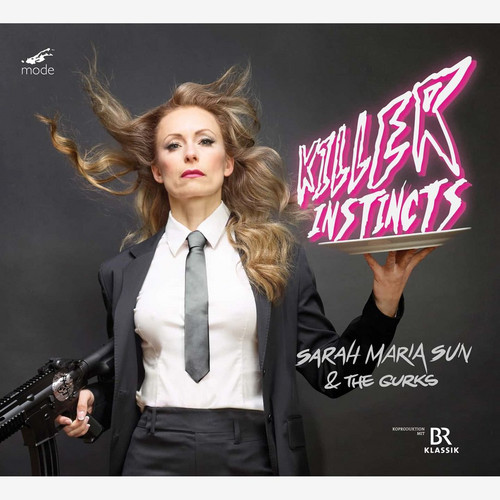
Killer Instincts
Soprano Sarah Maria Sun and The Gurks perform fifteen songs about bad people doing bad things, from Bernstein, Weill, Tom Waits and Joe Walsh to Schubert, including the first recording of Stefan Wolpe's Hitler.
On the Edges
Three works for large chamber ensemble by Hamburg-based composer Gerald Eckert, who conducts ensemble reflexion K in music that works on the edges of sound, between near silence and explosion.
Absence
Four chamber works by Gerald Eckert from 2006 to 2015, for piccolos and percussion, voices, flute and cello, and violin and contrabass clarinet with electronics, played by Ensemble L'art pour l'art, Auditivvokal and Ensemble Reflexion K.
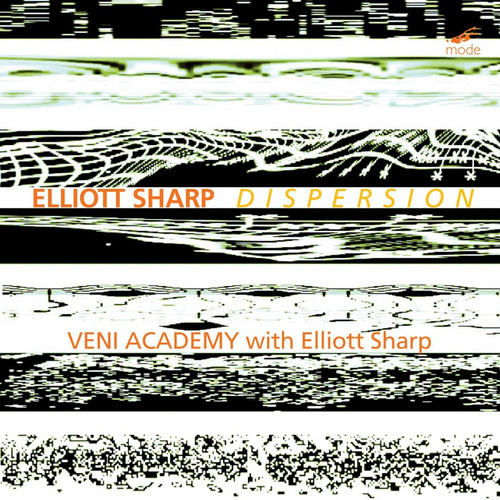
Dispersion
Elliott Sharp's Dispersion: Flexagons, Dispersion of Seeds, The Hidden Variable and Palimpsest, four processes-based works for large ensemble, played by the young musicians of Veni Academy under Marián Lejava, with Sharp on electroacoustic guitar.
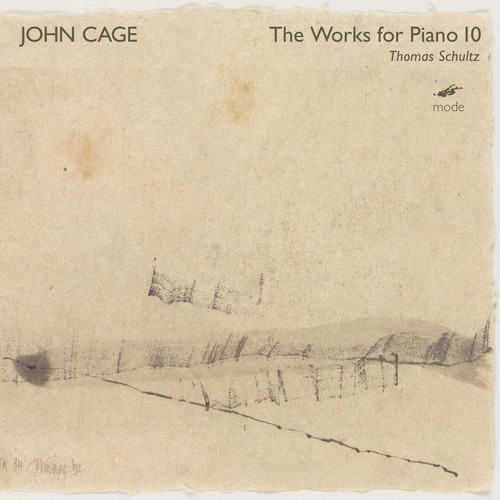
The Works for Piano 10
Volume 10 of Mode's John Cage piano series, with Thomas Schultz playing Two Pieces for Piano (1935), Solo for Piano from the Concert for Piano and Orchestra, Two Pieces for Piano (1946) and Swinging (1989).
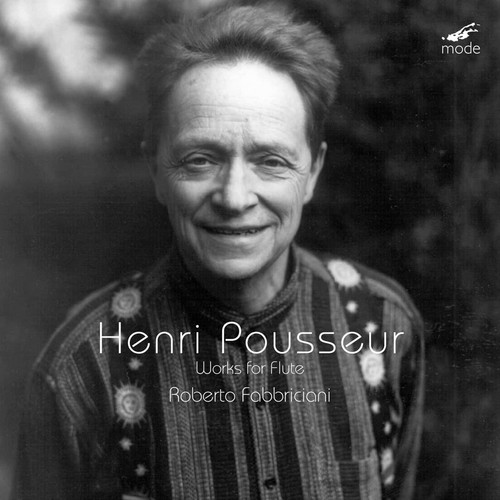
Works for Flute
Roberto Fabbriciani plays the complete flute works of Henri Pousseur, including Flexions I, Éclipticare and Zeus joueur de flûtes with live electronics by Alvise Vidolin, plus the 1957 tape piece Scambi.
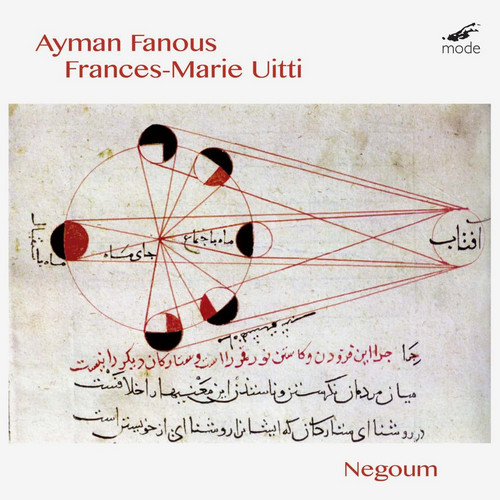
Negoum
Nine duo improvisations for guitars, bouzouki and cello by Ayman Fanous and Frances-Marie Uitti, recorded in the studio the day after their first concert together, the first release in the Fanous Edition.
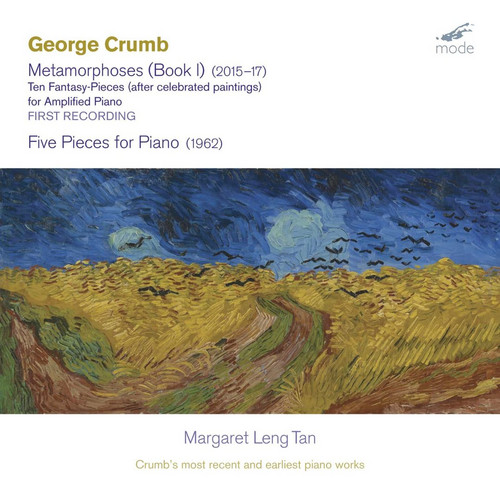
Metamorphoses (Book I) / Five Pieces for Piano
George Crumb's earliest and most recent piano works on one CD: the first recording of Metamorphoses (Book I), ten pieces after famous paintings written for Margaret Leng Tan, and the Five Pieces for Piano (1962).
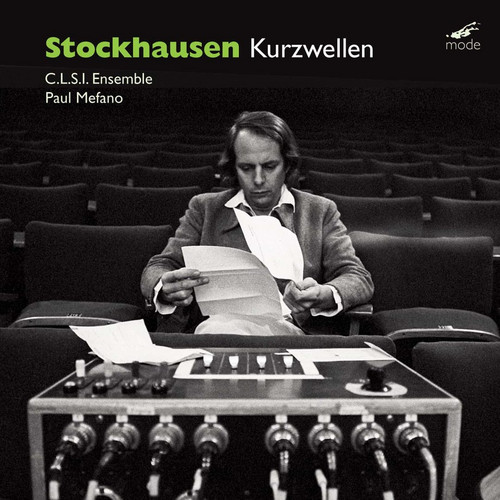
Kurzwellen
Karlheinz Stockhausen's Kurzwellen (1968) in a new performing version by C.L.S.I. for four instruments, four shortwave radios, six computers and conductor, premiered in 2011 and conducted by Paul Mefano.
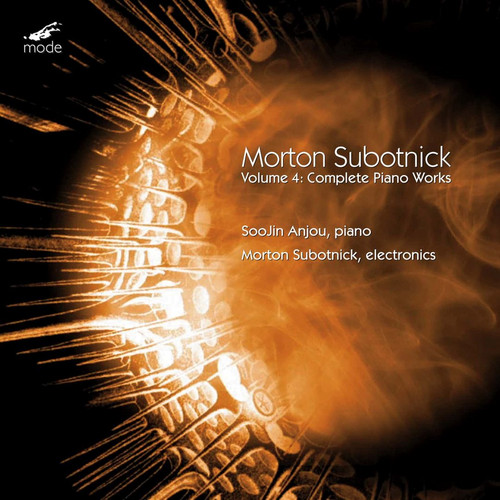
Complete Piano Works
All of Morton Subotnick's piano music on one disc for the first time, with four first recordings, including Liquid Strata and The Other Piano with electronics, played by SooJin Anjou and supervised by the composer.
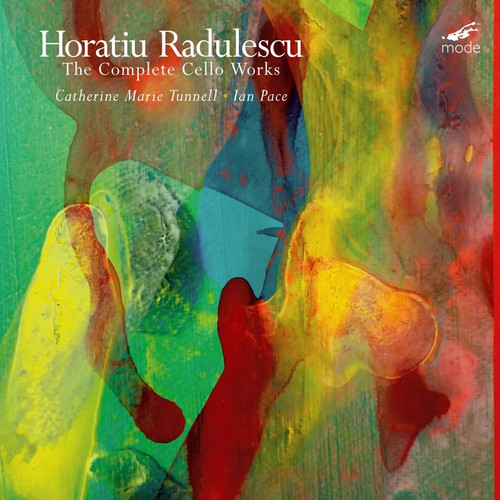
The Complete Cello Works
Four late cello works by Horatiu Radulescu played by his widow Catherine Marie Tunnell, with Ian Pace at the piano: L'Exil Intérieur, Das Andere, Pre-Existing Soul of Then and Lux Animae. Recorded in 2018.
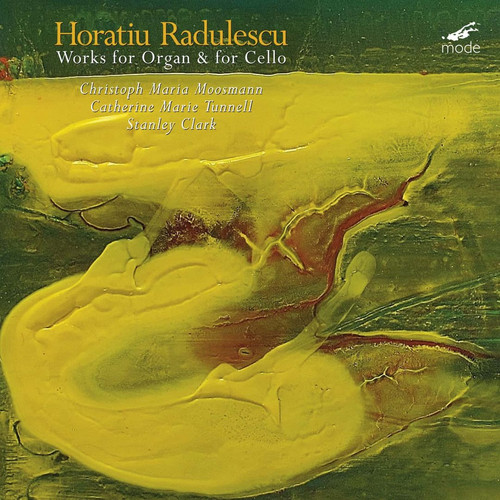
Works for Organ & for Cello
Second volume of the Horatiu Radulescu Edition: his complete organ works played by Christoph Maria Moosmann, plus Intimate Rituals III and Immersed in the Wonder II with cellist Catherine Marie Tunnell, all first recordings.