Energy Center: A History of Studio Rivbea is the first comprehensive study of one of the decisive artist-run spaces of the 1970s New York Loft Era. Written by Ed Hazell and published by NoBusiness Records, the 321-page book traces the life of Studio Rivbea, the Lower Manhattan arts and music center operated by saxophonist-composer Sam Rivers and his wife Bea Rivers. At a moment when Black musicians and artists were struggling for self-determination, control over their work and alternatives to commercial gatekeeping, Rivbea became much more than a venue. It was a home, a rehearsal space, a classroom, a performance site and a community infrastructure built around the radical proposition that artists could create their own conditions for making and presenting art.
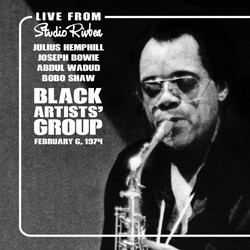
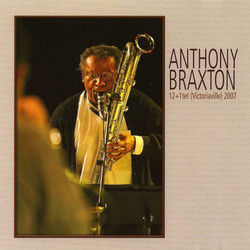
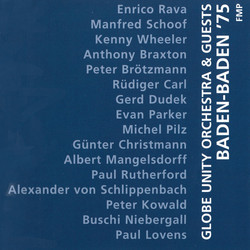
Located at 24 Bond Street, Studio Rivbea was among the best-known and most influential of the era’s loft spaces. Its importance lies partly in the artists it introduced to wider United States audiences: Julius Hemphill, David S. Ware, David Murray, Jemeel Moondoc’s Muntu, the Melodic Art-tet and the classic Anthony Braxton quartet with Kenny Wheeler, among many others. But Hazell’s book refuses to reduce Rivbea to a roll call of names or a convenient chapter in jazz history. Instead, it investigates how the place worked day to day: the labor required to stage concerts, keep a family home functioning, host rehearsals for Sam Rivers’s orchestra, offer music education and make room for playwrights, poets, dancers, filmmakers and musicians drawn to the creative ferment of Lower Manhattan.
The book’s title gets at Rivbea’s special role. It was an energy center in the most literal sense: a place where artists met, exchanged ideas, tested work, found collaborators and developed new forms outside the restrictions of clubs, record labels and conventional institutional programming. The Rivers family’s space made possible performances that might otherwise have had no viable public setting, particularly for musicians whose ambitions exceeded the commercial categories available to them. Within those rooms, free improvisation, advanced composition, Black experimental practice, theatre, poetry and dance were not isolated disciplines. They were parts of a shared cultural ecosystem.
Hazell also attends to the pressures and conflicts that shaped the Studio Rivbea story. The book chronicles artistic triumphs, but it does not romanticize the loft era as a simple utopia of freedom. Maintaining a family, a home, an arts center and a rehearsal space demanded practical endurance as well as vision. Questions of money, labor, recognition, scheduling and power inevitably surfaced. By placing these tensions alongside the celebrated performances, Energy Center offers a fuller account of what self-determination actually meant - not a slogan, but a continuous, demanding practice.
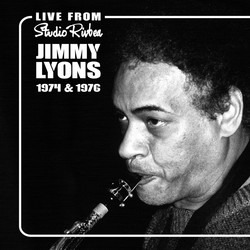
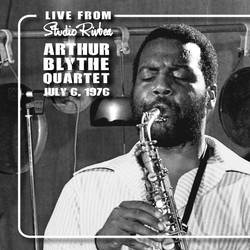
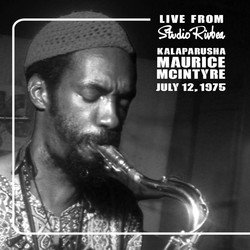
One of the book’s major contributions is its extensive sessionography, described as the most accurate and complete record of events at Rivbea ever assembled. This detailed documentation gives readers, researchers and listeners an invaluable map of the venue’s activity, revealing the scale of the programming and the density of the community that gathered around it. Dozens of previously unpublished photographs, together with posters and other period ephemera, add a vivid visual dimension. The material does more than illustrate the story; it conveys the physical character of the space - its rooms, crowds, makeshift production realities and the intimate proximity between players and audience.
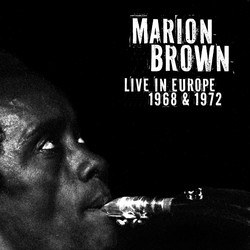
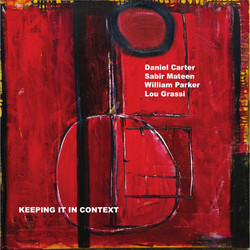
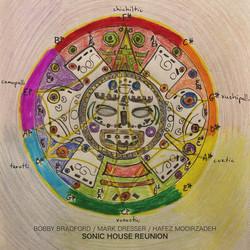
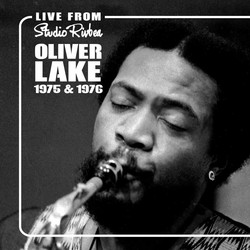
Published by NoBusiness Records, an independent Lithuanian label with a deep commitment to preserving and recontextualizing creative music, Energy Center continues the label’s archival work around Sam Rivers and the Rivbea legacy. The publication is available as a 321-page hard-cover book and as a digital PDF edition, with accompanying audio excerpts offered solely to illustrate music performed at the loft. This format underlines the book’s central achievement: it is not simply a discography, not simply an oral history and not simply a photo document, but a layered reconstruction of an artistic world.
For readers interested in the Loft Era, free jazz, Black cultural self-organization, downtown New York, independent arts infrastructure or the intertwined histories of music and place, Energy Center is indispensable. Hazell restores Studio Rivbea to its full significance: not a footnote to a glamorous musical decade, but a fiercely lived space that helped make some of the late twentieth century’s most important music possible.