** 2026 Repress ** From the fragile seam where rural ritual meets contemporary restraint comes Salos by Merope, shepherded into being by Stroom’s Ziggy Devriendt (aka Nosedrip). This is not revivalism or museum-piece fidelity; it’s a present-tense reweaving of Lithuanian songcraft into chamber-scaled vignettes that feel both ancestral and freshly incantatory. The record’s economy of gesture immediately recalls the mid-2000s Fonal constellation - Islaja, Paavoharju - yet it avoids mimicry, preferring instead a lucid pastoralism more suggestive of eastern Baltic liturgy than collage.
Across seven compact movements, the album is built around Indrė Jurgelevičiūtė’s singular lead voice: an instrument that slips from brittle, reedlike clarity to hushed, breath-heavy resonance, carrying traditional lines with the matter-of-fact intimacy of a field recording placed in a concert hall. Her vocals are doubled and elevated by the Vilnius chamber choir Jauna Muzika under Vaclovas Augustinas, whose involvement steers harmonies into a gently adaptive minimalism—choral clouds that thicken without overpowering, like fog pooling in a valley. These arrangements, co-conceived by Merope and Augustinas, give the songs an architectural calm that privileges space over ornament.
The palette is restrained but shrewdly widened by a handful of guest voices and timbres. Shahzad Ismaily’s electric piano (Moog) adds a warm, slightly grainy glow on the opener and closer, lending tracks such as “El Dvipa” and “Luliomoj” a fractal shimmer that refracts the folk material into something dream-practical. Gyða Valtýsdóttir’s cello and Jean-Christophe Bonnafous’s bansuri thread rustic sonorities through the mix, while Kjartan Sveinsson’s CP80 surfaces like a remembered harmony. Bert Cools’s guitars, synths and electronics are discreetly textural - never flashy - serving the songs’ natural cadence rather than imposing an external pulse.
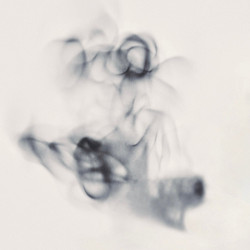
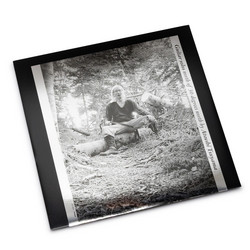
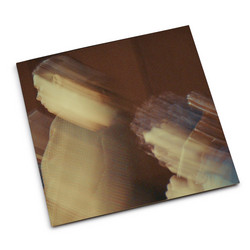
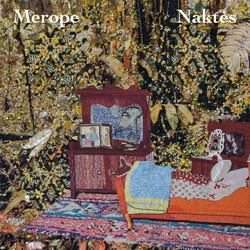
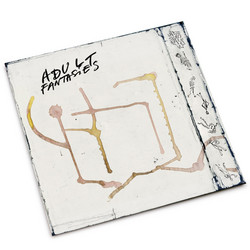
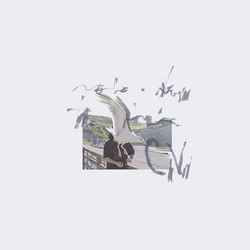
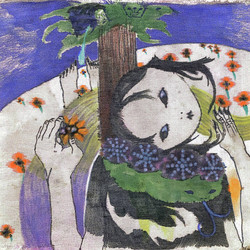
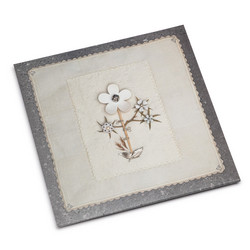
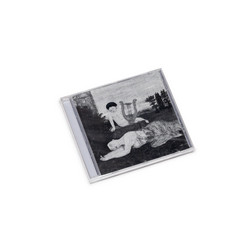
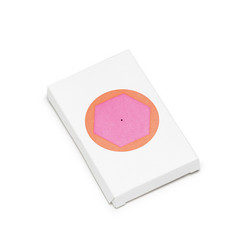
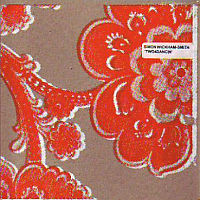
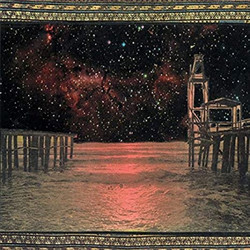
Production is immaculate without being glossy. Recorded by Stijn Cools and Arūnas Zujus, mixed by Werner Pensaert and mastered by Uwe Teichert, the sound places performers in an intimate acoustic: you can almost hear breath against consonants and the faint scrape of kanklės strings. This fidelity matters because the material thrives on micro-dynamics - the tiny bends and timbral inflections that make folk melody feel lived-in, not sanitized. Visual collaborators match that sensitivity: Avinash Veeraraghavan’s cover art and Visvaldas Morkevičius’s photography create a spare, contemplative mise-en-page, while Nana Esi’s layout ties the package together with quiet taste.