Eli Wewentxu, Indrė Jurgelevičiūtė
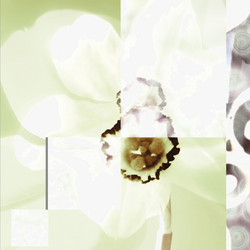
Después De Llover (LP)
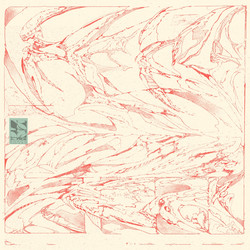
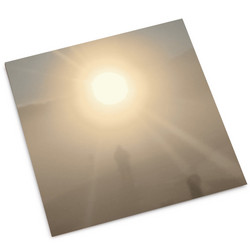
Después De Llover is an album about what happens when instruments understand each other before people do. Eli Wewentxu and Indrė Jurgelevičiūtė meet as near‑strangers: they come from different places, speak different languages, and might appear to have little in common beyond the resonance and grain of the tools they bring into the room. Rather than smoothing those differences over with a concept or repertoire, they allow the music itself to handle the introductions. The result is a set of pieces that sound like conversations in a third, invented tongue – one that exists only between kanklės, txompe and violin, and only in the particular light that comes after rain.
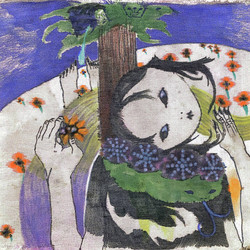
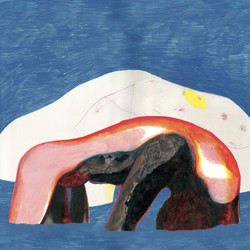
The record’s guiding image is simple and gently fantastical: two musicians exploring an imaginary world that grows out of their shared sounds. In this world they can play with the moisture on plants that have taken root in water, listen to tiny pudus playing with herons, rest on floripondios and maybe stay there, suspended, as they wait for the rain to return. Each piece feels like a visit to that landscape. Plucked strings ripple like surface tension; wind and breath from the txompe thread through the texture like mist; violin lines rise and fall like those herons lifting off and settling back. There is no rush to narrate or explain. Instead, the duo move slowly, testing how long they can hold a tone or a texture before it turns into something else.
Recorded on a summer day in 2025 at Indrė’s house, the music carries the intimacy of that setting. You can sense the smallness of the room, the closeness of microphones to wood and string, the way outside weather seeps faintly into the atmosphere even as the players imagine themselves somewhere else entirely. The choice of instruments is crucial: the kanklės, with its luminous, harp‑like resonance, beds the sound in a folk tradition that feels both Baltic and borderless; the txompe adds breath and a different kind of earthiness, drawing on indigenous timbres that seem to come from deep soil; the violin acts as a bridge, able to echo either voice or carve its own melodic paths through the space between them.
Because the two musicians have only recently met, there is a palpable sense of listening built into the performances. Lines are offered tentatively, then answered; motifs are picked up, transformed, or gently declined. Silences are treated as part of the conversation, not as gaps to be filled. The imaginary world they describe – with its animals, plants, water and returning rain – becomes a metaphor for the process itself: a place where they can try out gestures, see how they land, and adjust without the pressure of fixed expectations or shared language. What begins as an encounter of difference slowly becomes a shared territory.
Después De Llover ultimately feels like a document of trust at an early, fragile stage. It captures the moment when two artists realise that they can build a place together simply by playing, even if they have not yet mapped it in words. The post‑rain title suits the music perfectly: these pieces move with the softness and clarity that arrive when a storm has passed, when colours are sharper, and when you can hear small movements – leaves, hooves, wings, breath – more easily. Listeners are invited into that space not as observers, but as quiet companions, free to imagine their own paths among the puddles, plants and animals that the duo’s instruments conjure.

![Σ [sigma]](https://cdn.soundohm.com/data/products/2026-10/a0550686140_10-jpg.jpg.250.jpg)