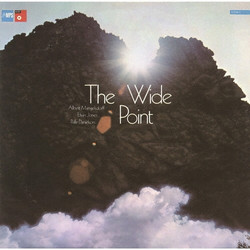
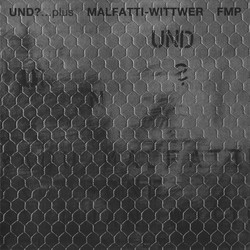
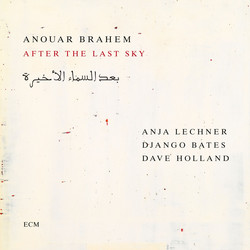
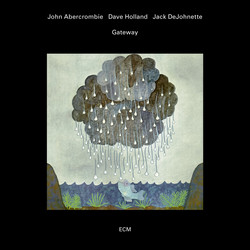
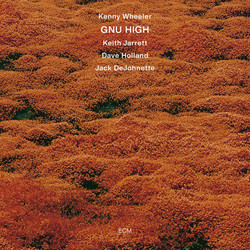
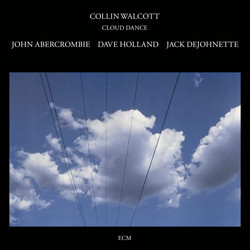
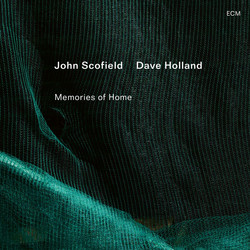
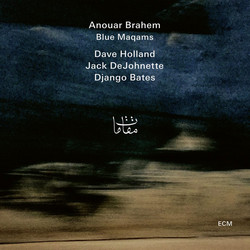
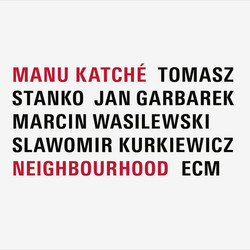
Tomasz Stanko, Tomasz Szukalski, Dave Holland, Edward Vesala
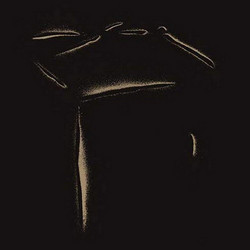
Balladyna (LP)
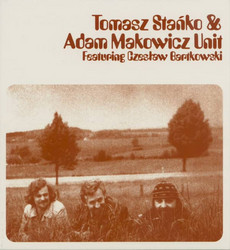
Balladyna stands as one of the key milestones of 1970s European jazz, the moment when Tomasz Stanko’s distinct melodic voice crystallised on a recording with truly international reach. Cut at Tonstudio Bauer in Ludwigsburg in 1975 and produced by Manfred Eicher, it was Stanko’s debut for ECM, yet it already presents a fully formed conception: songlike themes steeped in Slavic lyricism, carried by a quartet whose instincts are rooted in the avant‑garde and tuned to the possibilities of space, texture and silence. The trumpeter would later say, “My international name was built on Balladyna,” and you can hear why: this is the record where his sound - burnished yet cracked, tender yet capable of sudden, searing attacks - is framed in a way that lets it resonate far beyond the Polish scene that had nurtured him.
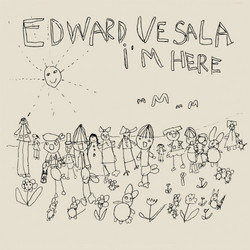
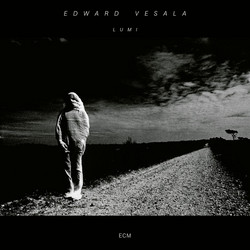
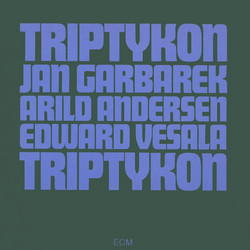
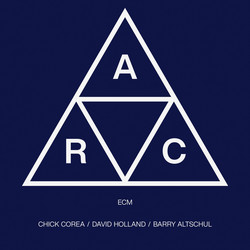
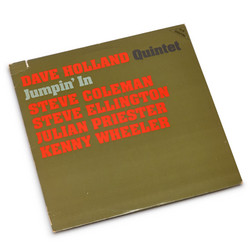
The band assembled for the session is extraordinary. Stanko’s long‑time ally Edward Vesala is on drums, a partnership the trumpeter would describe simply as, “We were like brothers.” You can feel that closeness in the way Vesala anticipates and shadows Stanko’s phrases, shifting from delicate cymbal painting to explosive polyrhythmic surges without ever losing the thread of the music. On reeds is Tomasz Szukalski, whose raw‑edged tenor and soprano act as both foil and co‑conspirator: where Stanko often favours oblique, compressed lines, Szukalski tends to push outward, worrying at motifs until they fray, then reassembling them with gruff authority. Anchoring it all is Dave Holland, brought to the date by Eicher; his bass provides not just foundation but constant commentary, moving between earthy ostinati, walking lines and agile counter‑melodies that tug at the time feel from within.
Across the album’s seven originals, that instrumentation yields a distinctive blend of propulsion and openness. Themes are concise yet memorable, often built from a few sculpted intervals that bear repetition without tiring the ear. The quartet states them with a kind of rough unanimity, horns locking in before peeling away into diverging paths. Beneath, Holland and Vesala rarely settle for mere accompaniment. Vesala’s drumming is wonderfully unstable - he implies multiple pulses at once, dragging and pushing against the beat, using tom rolls, splashes of cymbal and sudden flurries to create an undertow of instability. Holland, meanwhile, can flip from metronomic insistence to almost free counterpoint within a chorus, his tone and intonation giving the music a grounded centre even when harmony and meter blur at the edges.
What makes Balladyna so enduring is the way it balances Stanko’s earlier, freer influences with a strong sense of form. The explosive undercurrent of his work with the likes of Krzysztof Komeda and his own 1960s ensembles is still audible: there are passages where the horns tear into multiphonics and overblown cries, where Vesala seems ready to dismantle the kit, where the music threatens to fly apart. Yet each piece has a clearly defined arc. Melodic material returns at strategic moments, not as tidy “heads” but as waypoints, reminders of a song at the heart of the storm. Even when the quartet veers into abstraction, there is always the feeling of moving through a landscape with its own internal geography rather than drifting aimlessly.
Recorded in Tonstudio Bauer’s famously clear acoustic, the album’s sound has aged remarkably well. Stanko’s trumpet is captured with enough detail to reveal every grain in the tone, every breath that precedes a phrase; Szukalski’s saxophones cut through without harshness; Holland’s bass is woody and resonant; Vesala’s drums occupy a wide, three‑dimensional field rather than a flat backline. That clarity serves the music’s dynamic range, from haunting near‑silences to full‑throttle climaxes. It also helps explain the record’s influence: musicians in Poland, Finland and far beyond could hear not just the notes but the way the band listened to and shaped one another’s playing, absorbing lessons about interaction, tension and release that would ripple through subsequent generations of improvisers.
Today, Balladyna is rightly regarded as an essential document of European jazz, a record that helped redefine what a transnational quartet could sound like in the wake of American free jazz. It captures four strong personalities meeting on equal terms, but it also marks the moment when Tomasz Stanko’s singular blend of bruised lyricism and volatile intensity found the wider audience it deserved. Decades on, the music’s fire and strangeness remain intact; the gate it opened has never really closed.