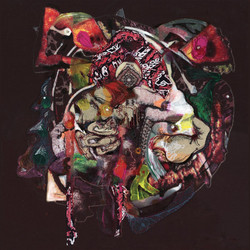
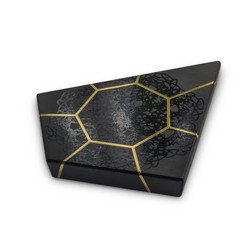
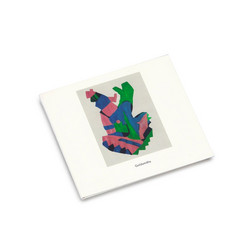
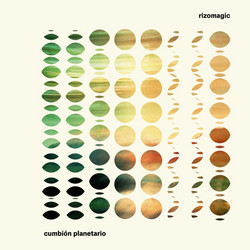
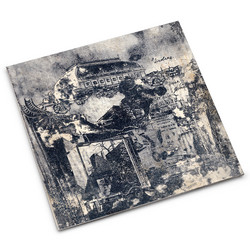
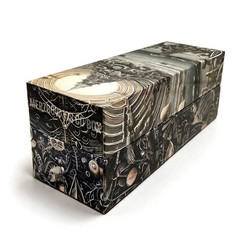
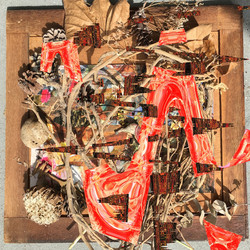
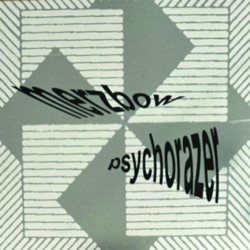
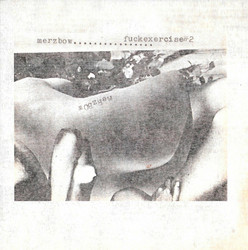
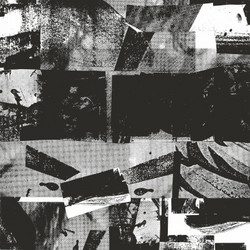
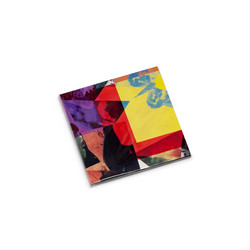
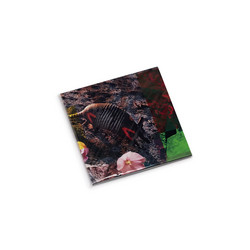
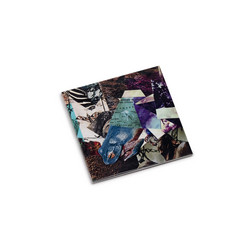
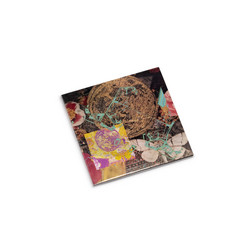
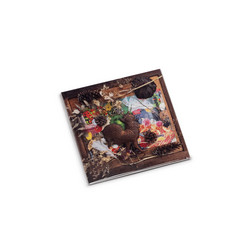
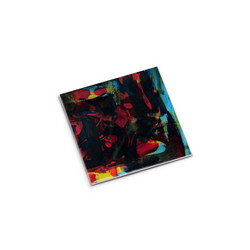
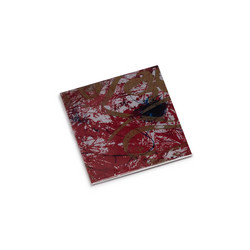
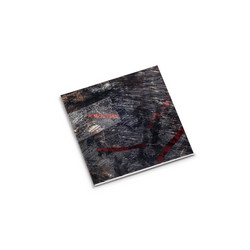
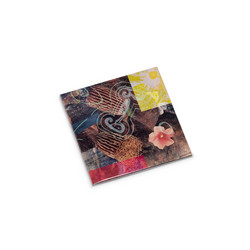
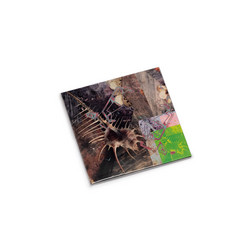
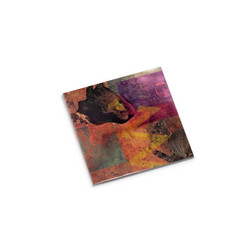
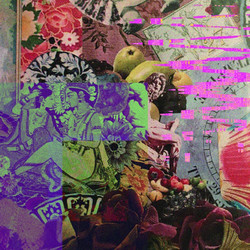
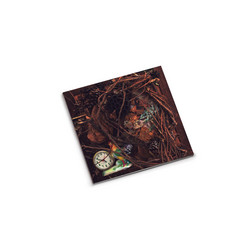
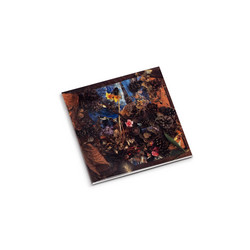
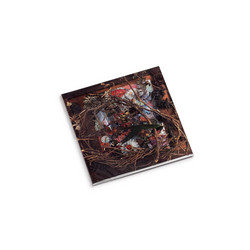
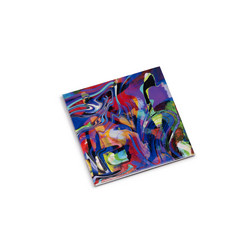
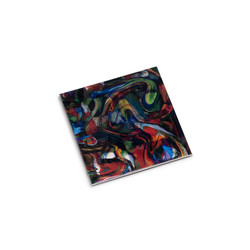
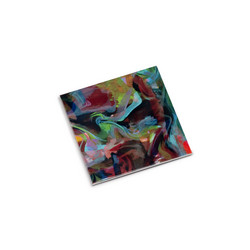
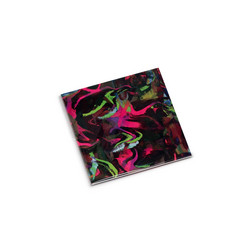
Double Beat Sequencer Vol.1 finds Merzbow threading a hard, skeletal pulse through the heart of his noise, treating rhythm less as a scaffold for genre than as another engine of excess. Across these tracks, fixed and cycling beats - the “double” sequences of the title - form blunt, looping structures that Masami Akita subjects to his typical barrage of distortion, feedback, metallic scree and feral electronics. The result is not noise suddenly tamed, but rhythm subjected to the same merciless treatment as every other sound in his arsenal, beaten, overdriven and eroded until it becomes something between a trance and an assault.
The “sequencer” here is less about retro synth nostalgia than about the inhuman persistence of machine timing. Rigid patterns are set in motion and allowed to run, while layers of texture accumulate on top: shrill, needling highs, mid‑range grind, bass that feels more like pressure than pitch. As the pieces evolve, the underlying beats may shift emphasis, splinter into double‑time illusions or be half‑buried in the mix, but their presence is always felt - a mechanical heartbeat underpinning the chaos. This tension between grid and sprawl, four‑square pulse and amorphous wash, gives the album its particular charge.
For listeners used to Merzbow’s more free‑form walls of sound, Double Beat Sequencer Vol.1reads as both a continuation and a twist. The density, the extremity, the refusal of resolution are all intact, but the insistent rhythmic spine introduces a different kind of listening: one that latches onto cycles even as they are continually destabilised. At moments the music hints at techno or industrial lineage, only to overshoot those frames into a zone where “danceability” is less the point than the raw fact of repetition under duress. Elsewhere, the beats act almost like sonar pings in a storm, brief points of orientation in a field of roiling noise.