Hal Russell, NRG Ensemble, Charles Tyler
Generation
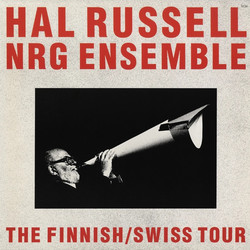
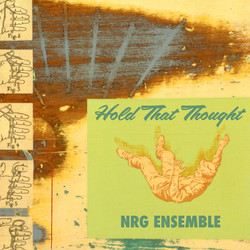
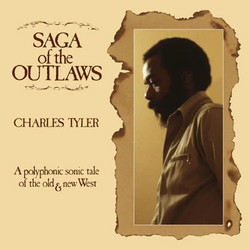
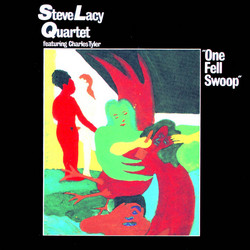
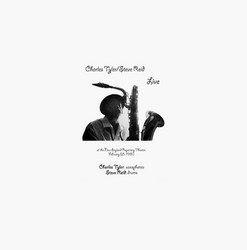
**2026 stock** After the high‑voltage impact of their 1981 debut, NRG Ensemble, Hal Russell’s Chicago band could easily have gone back into the studio and cut a straight follow‑up. Instead, for 1982’s Generation, Russell rerouted the project completely. Determined “to do something different,” he built the album around compositions from every corner of the group - including charts by former/future member Mars Williams - and invited the formidable Charles Tyler to join on baritone, alto and clarinet. An alumnus of Albert Ayler’s bands, Tyler brought a huge, vocal sound and a deep familiarity with high‑pressure, high‑freedom contexts, making him the obvious choice to push the NRG concept into even wilder territory.
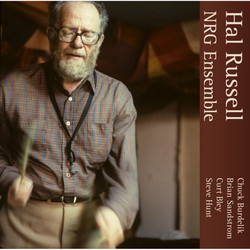
The result is a record that feels at once looser and more collectively authored than its predecessor. Rather than centering solely on Russell’s writing, Generation functions as a rotating prism of the ensemble’s personalities. Each member’s tune comes with its own agenda - knotty heads, lopsided swing, fractured march patterns, hymn‑like themes that are quickly dismantled - and the band treats them less as fixed structures than as springboards. Russell’s own multi‑instrumentalism (tenor sax, cornet) is matched by Chuck Burdelik’s reeds, Brian Sandstrom and Curt Bley’s double‑bass engine and Steve Hunt’s drums and vibes, all of them ready to flip roles at a moment’s notice. Tyler doesn’t sit on top of this as a guest star so much as burrow into it, his baritone carving channels through the ensemble sound, his alto and clarinet adding extra bite and brightness to the upper registers.
True to the NRG aesthetic, the music ricochets between raucous free blowing, skewed swing and the kind of dada‑adjacent humour that marked Russell’s best work. Themes can sound almost straight-ahead for a chorus or two before being stretched, inverted, shouted, or blown clean off their hinges. Unisons splinter into micro‑ensembles; time can lock into a firm walking pulse and then suddenly evaporate into rubato swirl. Yet for all the chaos, the band’s internal logic remains sharp. You hear tight cueing behind the apparent anarchy, a shared sense of when to ramp up the pressure and when to duck out into skeletal texture or deadpan riffing. Tyler’s presence intensifies that dynamic: as soon as he enters, the music tends to tilt toward greater urgency, his big tone and Ayler‑honed phrasing upping the emotional temperature even when the band is playing at a murmur.
This edition of Generation expands the original program with 18 minutes of previously unpublished music from a January 1981 session, offering an earlier snapshot of the NRG Ensemble in the months surrounding their debut. These extra performances, recorded when the band was still a pre‑Sandstrom quartet, illuminate just how quickly Russell’s project was mutating: ideas tried out in rougher form there appear in more fully crystallised shape on the 1982 date, while other passages capture the group mid‑leap, already thinking beyond what would hit the tape on their first LP. Author John Litweiler contributes a new note alongside his original commentary, framing the album within Russell’s late, furious burst of creativity.
Heard now, Generation plays like a crucial hinge in the NRG story. It preserves the raw, joyous mayhem that made the debut so striking, but infuses it with a broader compositional palette and the gravitational pull of Charles Tyler’s sound. It’s a document of a band entering its next phase by opening itself up: to more writers, more histories, and more ways of letting unruly energy become form without ever sanding off its edges.